Fatigue is one of the most common complaints in any doctor’s office, and people with high blood pressure often wonder whether their blood pressure is to blame. The answer is nuanced. Uncomplicated high blood pressure usually causes no symptoms at all, including tiredness. But many things connected to hypertension can leave you exhausted.
Long-standing high blood pressure can thicken and stiffen the heart, eventually causing heart failure. Several blood pressure medicines can cause fatigue, especially when first started. Sleep apnea, a common cause of hypertension, also causes severe daytime tiredness. And blood pressure that falls too low can drain your energy too. This guide explains each connection and what can be done.
Quick answer
High blood pressure by itself usually does not cause fatigue, but related problems often do: heart strain or heart failure, side effects of medicines such as beta-blockers and diuretics, blood pressure that falls too low, sleep apnea, kidney disease, anemia, thyroid problems, diabetes and depression. If you feel tired, check your home readings, review your medicines with your doctor rather than stopping them, and ask about sleep apnea, blood tests and a heart evaluation.
Have symptoms you want checked? Dr. M. Usman Khan sees patients at our Northwest Houston, Tomball and Sugar Land offices.
What patients say about our care team
Read all reviews on Google- ★★★★★
The staff was amazing, very friendly and attentive.
— Stephanie G. Google review - ★★★★★
He explained everything to me!
— Yesenia B. Google review - ★★★★★
Everyone is incredibly supportive and the standard of care is top tier.
— Humzah A. Google review - ★★★★★
It's always good when someone cares, not just comes to work.
— Cecila A. Google review - ★★★★★
I felt like I waited less time and was seen much faster!
— Yesenia B. Google review
- ★★★★★
I am extremely grateful for the support and compassion.
— Debra L. W. Google review - ★★★★★
She always takes great care of me.
— Shemeanna B. Google review - ★★★★★
Her clinical skills were exemplary. I would definitely recommend.
— Humzah A. Google review - ★★★★★
I had a great experience with my appointment today.
— Stephanie G. Google review - ★★★★★
Mrs. Maxine literally listened to my concerns.
— Cecila A. Google review
Important
Sudden severe fatigue with chest discomfort, shortness of breath or lightheadedness can be a sign of a heart attack, especially in women and people with diabetes. Call 911.
Can High Blood Pressure Itself Cause Fatigue?
Rarely; most people with high blood pressure feel normal, though very high readings can cause headache, fatigue and malaise.
Because hypertension is silent, tiredness is more often a clue to something else. That is important, because the true cause is often treatable.
How Can Hypertension’s Effects on the Heart Cause Fatigue?
Years of high pressure thicken and stiffen the heart, which can lead to heart failure with preserved ejection fraction, atrial fibrillation and reduced exercise capacity, all of which cause fatigue.
Fatigue from heart strain often comes with shortness of breath on exertion, ankle swelling or reduced stamina. An echocardiogram can show thickening (LVH) or stiffness. See early signs of heart failure and diastolic heart failure.
Can Blood Pressure Medicines Cause Fatigue?
Yes. Beta-blockers commonly cause tiredness and reduced exercise tolerance; diuretics can lower potassium or cause dehydration; and any medicine that lowers blood pressure too much can cause fatigue and dizziness.
| Medicine type | Possible fatigue mechanism |
|---|---|
| Beta-blockers (metoprolol, atenolol) | Slower heart rate, reduced exercise capacity |
| Diuretics (hydrochlorothiazide, chlorthalidone) | Low potassium or sodium, dehydration |
| Alpha-blockers and clonidine | Drowsiness, low blood pressure on standing |
| Any combination | Blood pressure lowered too much |
Fatigue often improves after a few weeks as the body adjusts. If not, your doctor can adjust the dose or switch medicines. Do not stop blood pressure medicines suddenly; stopping beta-blockers or clonidine abruptly can be dangerous.
Can Low Blood Pressure Cause Fatigue?
Yes. Blood pressure that is too low, especially when standing, reduces blood flow to the brain and muscles and causes fatigue, lightheadedness and blurred vision.
This is common in older adults on several medicines, people who are dehydrated, and those with autonomic problems. Check readings when you feel tired or dizzy. See what causes blood pressure to drop.
When to seek care right away
Call 911 for:
- Sudden severe fatigue with chest discomfort
- Severe shortness of breath
- Fainting
- Confusion or weakness
Call your doctor the same day for:
- Fatigue after starting or changing a medicine
- Dizziness on standing
- Snoring with daytime sleepiness
- Fatigue with swelling or breathlessness
How Does Sleep Apnea Link Blood Pressure and Fatigue?
Obstructive sleep apnea repeatedly interrupts breathing during sleep, causing daytime exhaustion and driving up blood pressure, often making it hard to control.
Clues include loud snoring, pauses in breathing seen by a partner, morning headaches and falling asleep easily during the day. Treatment with CPAP improves energy and can lower blood pressure. Ask your doctor about a sleep study.
What Other Conditions Cause Fatigue in People With Hypertension?
Kidney disease, anemia, thyroid disease, diabetes, depression, vitamin deficiencies and atrial fibrillation are common contributors.
- Chronic kidney disease, a frequent complication of hypertension
- Anemia from kidney disease or other causes
- Underactive thyroid
- Poorly controlled blood sugar
- Depression and stress
- Atrial fibrillation or slow heart rhythms
- Low vitamin D or B12
How Is Fatigue Evaluated?
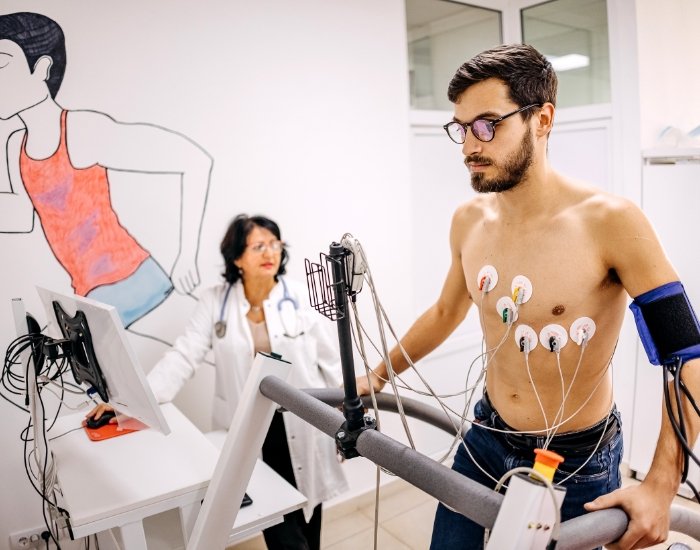
Your doctor reviews your readings and medicines, checks for sleep apnea, orders blood tests for anemia, kidney function, thyroid, electrolytes and blood sugar, and may order an ECG and echocardiogram.
- Home blood pressure log, including readings when tired.
- Blood tests: CBC, metabolic panel, thyroid, A1c, vitamin levels.
- ECG and possibly a heart monitor.
- Echocardiogram if heart strain is suspected.
- Sleep study when sleep apnea is likely.
What Helps Reduce Fatigue?
Treat the cause, adjust medicines with your doctor, stay active, sleep well, hydrate, eat balanced meals and manage stress.
- Walk daily; regular exercise improves energy and blood pressure.
- Keep a consistent sleep schedule and treat sleep apnea.
- Stay hydrated unless you have fluid restrictions.
- Limit alcohol, which disrupts sleep and raises blood pressure.
- Ask whether taking certain medicines at a different time of day could help.
What Is a Practical Plan to Boost Energy With Hypertension?
Track readings and energy together for two weeks, review medicine timing with your doctor, add daily walking, protect sleep, hydrate, and follow up on any abnormal test results.
Fatigue usually has more than one contributor, so a structured approach works best.
| Step | What to do |
|---|---|
| 1. Track | Log blood pressure morning and evening plus a 1–10 energy score for two weeks |
| 2. Review medicines | Ask whether timing, dose or medicine type could be adjusted |
| 3. Screen sleep | Answer a sleep apnea questionnaire; consider a home sleep test |
| 4. Check labs | Blood count, kidney function, thyroid, A1c, electrolytes, vitamins |
| 5. Move | Start with 10-minute walks after meals and build up |
| 6. Reassess | Compare energy scores after changes and share with your doctor |
Many patients find that a small medicine change, such as switching from a beta-blocker that is not essential for their condition to another class, or taking a diuretic earlier in the day, makes a noticeable difference. Others discover sleep apnea that, once treated, improves both energy and blood pressure.
When fatigue is a warning sign
New, unexplained fatigue in someone with high blood pressure, diabetes or known heart disease can be an early sign of coronary artery disease or heart failure, especially if it comes with breathlessness or reduced exercise tolerance. Women in particular may experience fatigue as a leading symptom before a heart attack. Do not dismiss persistent, unusual tiredness; get it evaluated.
Is Fatigue Different in Older Adults With Hypertension?
Older adults are more likely to feel tired from overtreated blood pressure, multiple medicines, dehydration and coexisting conditions, and falls from dizziness are a particular risk.
For older adults, blood pressure targets are individualized. Checking readings both sitting and standing helps detect drops on standing. A review of all medicines, including over-the-counter sleep aids and allergy pills, often uncovers causes of fatigue and dizziness. Staying active, eating regular meals and drinking enough fluids support energy and safety.
What Should You Ask Your Doctor About Fatigue?
Ask whether any of your medicines could be causing tiredness, whether your blood pressure might be too low at times, whether you should be tested for sleep apnea, anemia or thyroid problems, and whether your heart should be checked.
Bring your home blood pressure log and a short description of when fatigue is worst. Specific, written information helps your doctor find the cause faster.
Where to See a Cardiologist in Houston
Epic Heart & Vascular Center evaluates heart and vascular symptoms at three Greater Houston offices, with many tests such as ECGs and echocardiograms available on site. Care is led by Dr. M. Usman Khan, MD, FACC.
Also serving Richmond, Spring, Kingwood, Willowbrook and Eldridge patients. Monday to Friday, 8:00 am to 5:00 pm.
Key Takeaways
- High blood pressure itself rarely causes fatigue.
- Heart strain, heart failure and atrial fibrillation from long-term hypertension can.
- Beta-blockers and diuretics commonly cause tiredness; do not stop them on your own.
- Blood pressure that is too low and sleep apnea are frequent causes.
- Blood tests, an ECG, echocardiogram and sleep study help find the cause.
Frequently Asked Questions
Can high blood pressure make you feel tired?
Usually not directly, but its effects on the heart, its medicines and related conditions such as sleep apnea often cause fatigue.
Which blood pressure medicines cause tiredness?
Beta-blockers most commonly; diuretics, alpha-blockers and clonidine can also contribute.
Can low blood pressure make you tired?
Yes. Low blood pressure, especially when standing, causes fatigue and lightheadedness.
Is fatigue a sign of heart failure?
Yes, especially with breathlessness, swelling or reduced exercise tolerance.
Should I stop my blood pressure medicine if I feel tired?
No. Talk to your doctor, who can adjust the dose or switch medicines safely.
Can sleep apnea cause high blood pressure and fatigue?
Yes. It is a common, treatable cause of both.
Sources and Further Reading
- National Heart, Lung, and Blood Institute. High Blood Pressure.
- National Heart, Lung, and Blood Institute. Sleep Apnea.
- MedlinePlus. Fatigue.
- MedlinePlus. Low Blood Pressure.
Medical disclaimer: This article is for general education and does not replace a visit with your own doctor. Symptoms, test results and treatment choices differ from person to person.
Please note: Reading this article does not create a doctor–patient relationship. If you think you are having a medical emergency, call 911.

About our cardiology practice
Dr. M. Usman Khan, MD, FACC
Dr. Khan is an interventional and general cardiologist who leads care at Epic Heart & Vascular Center, with offices in Northwest Houston, Tomball and Sugar Land. He completed his cardiovascular fellowship at the University of Virginia and holds fellowships in the American College of Cardiology, the American College of Physicians, the Society for Cardiovascular Angiography and Interventions and the American Society of Nuclear Cardiology.
This guide was written by the Epic Heart & Vascular Center editorial team from the sources listed above. Meet Dr. Khan →
Related Articles
What Is Hypertension? How High Blood Pressure Affects Your Heart, Brain, Kidneys and Eyes
Hypertension is persistently high pressure in the arteries. Learn the 2025 blood pressure categories, how hypertension silently damages organs, the causes, and…
What Causes Blood Pressure to Drop? Causes, Symptoms and When to Worry
Blood pressure can drop from dehydration, standing up quickly, medicines, heart problems, infection or bleeding. Learn the causes of low blood pressure,…
6 Easy Ways to Lower Your Blood Pressure Starting Today
Small daily habits can lower blood pressure by as much as a medicine. Learn six proven, easy changes, how much each can…