
Heart care
Heart failure means the heart is not pumping or filling as well as the body needs. It is a long-term condition, and steady outpatient care can reduce symptoms and help keep people out of the hospital.
Overview
Heart failure does not mean the heart has stopped. It means the heart muscle is weaker or stiffer than normal, so fluid can back up into the lungs and legs and the body may not get enough blood during activity.
Doctors often describe heart failure by the ejection fraction, the share of blood the left ventricle pumps out with each beat. Heart failure with reduced ejection fraction and heart failure with preserved ejection fraction are treated differently, which is one reason an accurate diagnosis matters.
Who may benefit
These symptoms have several possible causes, including lung, kidney and vein problems. An evaluation helps sort out which one applies to you.
Your visit
Testing
| Test | Why it may be used |
|---|---|
| Echocardiogram | Measures ejection fraction, chamber size and valve function. It is central to diagnosis and follow-up. |
| ECG | Looks for rhythm problems, prior heart attack and other electrical changes. |
| Blood tests | Kidney function and potassium, which are affected by heart failure medicines, and other markers your clinician may order. |
| Stress testing or cardiac catheterization | Used when coronary artery disease may be the cause. |
| Heart monitor | When rhythm problems are suspected. |
Treatment
Heart failure has no cure, but treatment can help many people live longer and more active lives with fewer symptoms. Treatment depends on the type of heart failure and how serious it is.
Depending on your type of heart failure, your cardiologist may discuss medicines that remove extra fluid, relax blood vessels, slow the heart rate, or protect the heart muscle over time. Doses are often adjusted gradually at follow-up visits while kidney function, potassium and blood pressure are checked.
Weighing yourself each morning, following the salt and fluid guidance your clinician gives you, staying as active as advised, and treating sleep apnea can all affect symptoms. Your plan should tell you exactly which weight change or symptom means you should call.
Some people benefit from an implantable defibrillator or a special pacemaker, treatment of blocked arteries or valve disease, or, for advanced heart failure, referral to a specialized center.
Supervised exercise through cardiac rehabilitation can improve exercise ability and quality of life for many people with heart failure.
Your cardiologist
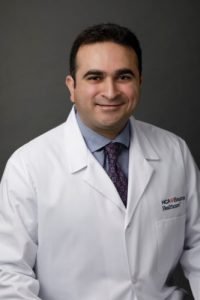
Dr. Khan manages heart failure in the outpatient setting: confirming the diagnosis, adjusting medicines, ordering follow-up testing and coordinating with your primary care doctor and any hospital team.
Where care happens
Office visits take place at our three offices. If you were recently discharged from the hospital for heart failure, call the office and mention the discharge so the team can schedule a follow-up visit, and bring your discharge papers and medicine list.
17070 Red Oak Dr #405
Houston, TX 77090
155 School St Suite 220
Tomball, TX 77375
6534 Greatwood Parkway Unit A
Sugar Land, TX 77479
Also serves Richmond-area patients
Before you come
See new patient information and the insurance plans we work with.
Questions
For some people, especially when a treatable cause is found, heart function improves with treatment. For others the goal is to stay stable and feel better. Your cardiologist can explain what is realistic in your situation.
A quick weight gain is often the first sign that fluid is building up, before breathing gets worse. Catching it early lets your care team adjust treatment sooner.
Visits are often more frequent after a diagnosis, a hospital stay or a medicine change, and less frequent once you are stable. Your clinician will set a schedule with you.
Sources
Prepared by the Epic Heart & Vascular Center editorial team. Clinical review by a practice physician is pending for this version. Last updated November 2026.
Next step
Submitting the form sends a request. Our team will call you to confirm a time, the office and your insurance. For severe shortness of breath, chest pain or fainting, call 911.
Care is led by Dr. M. Usman Khan, MD, FACC, an interventional and general cardiologist. New patients can review patient information and the insurance plans we accept.
Heart & Vascular Care Close to Home
Book a visit with our board-certified cardiologist at any of our three offices. Our team will call you to confirm your time and insurance.
Houston (NW / Red Oak)
17070 Red Oak Dr #405, Houston, TX 77090
832-432-1951
Tomball
155 School St Ste 220, Tomball, TX 77375
832-304-2070
Sugar Land (Greatwood)
6534 Greatwood Pkwy Unit A, Sugar Land, TX 77479
832-645-8992
For a medical emergency, call 911.
Schedule an Appointment
Fill out the form and our team will contact you to confirm your visit.
Call the office nearest you
Houston NW / Red Oak · 832-432-195117070 Red Oak Dr #405, Houston, TX 77090 Tomball · 832-304-2070155 School St Ste 220, Tomball, TX 77375 Sugar Land / Greatwood · 832-645-89926534 Greatwood Pkwy Unit A, Sugar Land, TX 77479For a medical emergency, call 911.