Low blood pressure gets less attention than high blood pressure, but a sudden or significant drop can cause dizziness, fainting, falls and, in severe cases, shock. For some people, especially those who are fit, a naturally low reading is normal and healthy. For others, a drop signals dehydration, a medicine problem, a heart rhythm issue or a serious illness.
This guide explains the common and serious causes of blood pressure drops, how to tell when low blood pressure needs attention, and how it is evaluated and treated.
Quick answer
Blood pressure can drop because of dehydration, standing up too quickly (orthostatic hypotension), blood pressure and other medicines, alcohol, prolonged bed rest, heart problems such as slow or fast rhythms, valve disease or heart failure, fainting reflexes, hormonal problems, severe infection (sepsis), bleeding or severe allergic reactions. Low blood pressure is generally a reading below 90/60. It matters when it causes symptoms such as dizziness, lightheadedness, blurred vision, fatigue, nausea, confusion or fainting. Low blood pressure with confusion, cold clammy skin, rapid breathing or a weak, fast pulse may be shock and needs 911.
Have symptoms you want checked? Dr. M. Usman Khan sees patients at our Northwest Houston, Tomball and Sugar Land offices.
What patients say about our care team
Read all reviews on Google- ★★★★★
The staff was amazing, very friendly and attentive.
— Stephanie G. Google review - ★★★★★
He explained everything to me!
— Yesenia B. Google review - ★★★★★
Everyone is incredibly supportive and the standard of care is top tier.
— Humzah A. Google review - ★★★★★
It's always good when someone cares, not just comes to work.
— Cecila A. Google review - ★★★★★
I felt like I waited less time and was seen much faster!
— Yesenia B. Google review
- ★★★★★
I am extremely grateful for the support and compassion.
— Debra L. W. Google review - ★★★★★
She always takes great care of me.
— Shemeanna B. Google review - ★★★★★
Her clinical skills were exemplary. I would definitely recommend.
— Humzah A. Google review - ★★★★★
I had a great experience with my appointment today.
— Stephanie G. Google review - ★★★★★
Mrs. Maxine literally listened to my concerns.
— Cecila A. Google review
Important
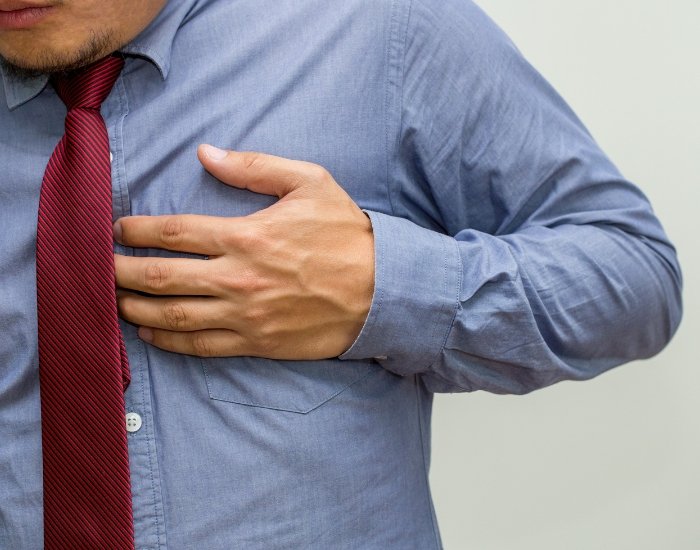
Low blood pressure with confusion, chest pain, fainting, cold clammy skin or rapid breathing needs 911.
What Is Considered Low Blood Pressure?
Generally a reading below 90/60 mmHg, but what matters most is whether it causes symptoms or represents a sudden drop from your usual level.
Many healthy, active people have readings around 90/60 without symptoms and need no treatment.
What Are the Common Causes?
Dehydration, orthostatic hypotension, medicines, alcohol, heat, prolonged standing, after meals in older adults, pregnancy and prolonged bed rest.
| Cause | How it lowers blood pressure |
|---|---|
| Dehydration | Less blood volume |
| Standing up quickly | Blood pools in the legs |
| Blood pressure medicines, diuretics | Lower pressure too much |
| Alcohol | Widens blood vessels |
| Heat, hot showers | Vessels dilate |
| After large meals | Blood diverted to the gut |
| Pregnancy | Vessels relax, especially in the second trimester |
Which Heart Problems Lower Blood Pressure?
Very slow heart rates or heart block, very fast arrhythmias, severe aortic stenosis, heart failure, heart attack and fluid around the heart can all reduce the heart’s output.
Fainting during exertion or with palpitations suggests a heart cause and needs prompt evaluation. See irregular heartbeat warning signs and pacemakers.
Which Causes Are Emergencies?
Sepsis, major bleeding (including internal bleeding), severe allergic reaction (anaphylaxis), heart attack, pulmonary embolism and cardiac tamponade.
These cause shock, with confusion, cold clammy skin, rapid breathing and a weak, fast pulse. Call 911.
When to seek care right away
Call 911 for:
- Confusion or fainting
- Chest pain
- Cold, clammy skin with rapid breathing
- Low blood pressure with fever or bleeding
Call your doctor the same day for:
- Dizziness on standing
- Falls
- Fainting with exercise
- Low readings after starting a new medicine
What Is Orthostatic Hypotension?
A drop of at least 20 systolic or 10 diastolic within three minutes of standing, causing dizziness or lightheadedness; it is common in older adults, people with diabetes or Parkinson’s disease, and with certain medicines.
- Stand up slowly, pausing on the edge of the bed.
- Drink enough fluids unless restricted.
- Review medicines with your doctor.
- Wear compression stockings if advised.
- Raise the head of the bed slightly.
What About Fainting Spells (Vasovagal Syncope)?
A reflex causes the heart rate and blood pressure to drop suddenly, often triggered by standing a long time, heat, pain, the sight of blood or emotional stress; warning signs include nausea, warmth and tunnel vision.
Lying down with legs raised usually brings quick recovery. Recurrent or unexplained fainting deserves evaluation, especially if it happens during exercise.
How Is Low Blood Pressure Evaluated?
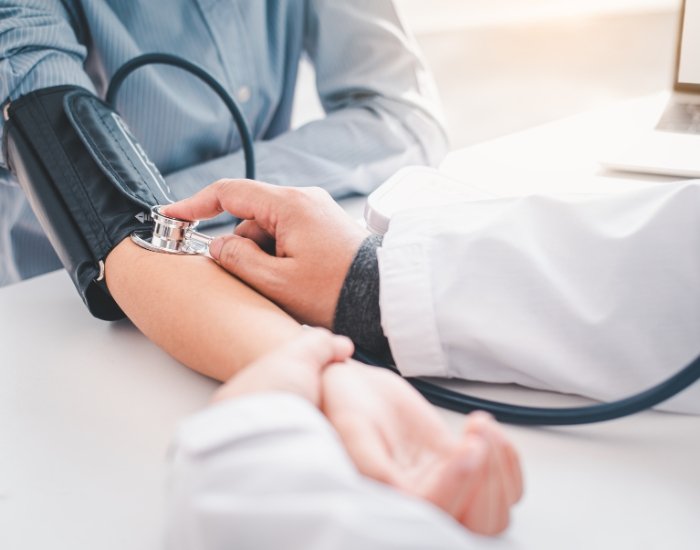
Lying and standing blood pressure measurements, ECG, heart monitor, echocardiogram, blood tests for anemia, hormones and electrolytes, a medicine review and sometimes a tilt-table test.
See Holter monitor and echocardiogram.
Why Are Older Adults More Affected by Blood Pressure Drops?
Aging blunts the reflexes that maintain blood pressure on standing, and older adults more often take multiple medicines, become dehydrated easily and have conditions like diabetes or Parkinson’s disease that affect blood pressure control.
The result can be dizziness after meals or on standing, and falls that cause fractures. Measuring lying and standing blood pressure, reviewing medicines and timing doses carefully reduce risk. Postprandial hypotension, a drop after meals, improves with smaller, lower-carbohydrate meals and resting briefly after eating.
Treatment options
- Adjust or stop medicines that lower blood pressure too much.
- Increase fluid and, if advised, salt intake.
- Compression stockings or abdominal binders.
- Physical counter-maneuvers such as crossing legs and tensing muscles.
- Medicines such as midodrine or fludrocortisone for persistent orthostatic hypotension.
- Pacemaker for slow rhythms causing symptoms.
What Should You Do if Your Blood Pressure Drops Suddenly?
Sit or lie down immediately, raise your legs, drink water if you can swallow safely, and get up slowly once symptoms pass; call 911 for fainting with injury, chest pain, confusion or signs of shock.
- Lie flat with legs raised above heart level.
- Loosen tight clothing.
- Sip water or an electrolyte drink.
- Do not drive until you feel completely normal.
- Recheck blood pressure after 10 to 15 minutes.
- Write down what happened and share it with your doctor.
POTS and younger adults
Postural orthostatic tachycardia syndrome (POTS) mainly affects younger women and causes a large heart rate increase, dizziness, fatigue and brain fog on standing, sometimes with low blood pressure. Treatment includes fluids, salt, compression, graded exercise and sometimes medicines.
Which Medicines Most Often Cause Low Blood Pressure?
Diuretics, alpha-blockers for prostate symptoms, nitrates, beta-blockers, ACE inhibitors and ARBs, some antidepressants, Parkinson’s medicines, opioids and erectile dysfunction drugs, especially when combined.
Never combine nitrates with erectile dysfunction medicines, which can cause a dangerous drop.
Can Hormonal or Other Medical Problems Cause Low Blood Pressure?
Yes. Adrenal insufficiency, low thyroid, low blood sugar, anemia, severe vitamin deficiencies and nerve damage from diabetes or Parkinson’s disease can all lower blood pressure.
Blood tests for blood count, electrolytes, glucose, thyroid and sometimes cortisol help identify these causes. Treating the underlying condition often resolves the low blood pressure.
How Should You Check for Orthostatic Drops at Home?
Measure blood pressure after lying down for five minutes, then again one and three minutes after standing; a drop of 20 systolic or 10 diastolic, or symptoms, should be reported to your doctor.
Have someone nearby in case you feel faint while standing.
Why Does Blood Pressure Drop in Hot Weather?
Heat widens blood vessels and causes fluid loss through sweat, which together lower blood pressure, especially in people taking diuretics or other blood pressure medicines.
In Houston’s summer heat, drink fluids regularly, avoid strenuous outdoor activity at midday, and ask your doctor whether medicine doses should be adjusted during heat waves.
Is Low Blood Pressure Normal in Pregnancy?
Blood pressure often falls during the first and second trimesters as vessels relax; standing slowly and staying hydrated help, but fainting should be reported.
When Is Low Blood Pressure Nothing to Worry About?
If you feel well and your readings are consistently low without symptoms, especially if you are young and active, low blood pressure usually needs no treatment and may even reflect good cardiovascular fitness.
Who Should Evaluate Recurrent Low Blood Pressure?
Your primary care doctor can start the evaluation; a cardiologist is helpful when fainting, palpitations or heart disease are involved.
Where to See a Cardiologist in Houston
Epic Heart & Vascular Center evaluates heart and vascular symptoms at three Greater Houston offices, with many tests such as ECGs and echocardiograms available on site. Care is led by Dr. M. Usman Khan, MD, FACC.
Also serving Richmond, Spring, Kingwood, Willowbrook and Eldridge patients. Monday to Friday, 8:00 am to 5:00 pm.
Key Takeaways
- Low blood pressure is generally below 90/60 but matters mainly when it causes symptoms.
- Dehydration, standing quickly and medicines are common causes.
- Heart rhythm and valve problems can cause drops and fainting.
- Sepsis, bleeding and anaphylaxis cause dangerous shock.
- Evaluation includes standing BP, ECG, monitors and blood tests.
Frequently Asked Questions
What causes sudden low blood pressure?
Dehydration, standing quickly, medicines, fainting reflexes, heart problems, bleeding or infection.
What is a dangerously low blood pressure?
It depends on symptoms; low pressure with confusion, fainting or shock signs is dangerous.
Can dehydration cause low blood pressure?
Yes. Reduced fluid volume lowers blood pressure.
Why do I get dizzy when I stand up?
Possibly orthostatic hypotension, where pressure drops on standing.
Can heart problems cause low blood pressure?
Yes, including slow or fast rhythms, aortic stenosis and heart failure.
How do you raise low blood pressure quickly?
Lie down with legs raised and drink fluids; seek care if symptoms persist.
Sources and Further Reading
- National Heart, Lung, and Blood Institute. Low Blood Pressure.
- MedlinePlus. Low blood pressure.
- MedlinePlus. Fainting.
Medical disclaimer: This article is for general education and does not replace a visit with your own doctor. Symptoms, test results and treatment choices differ from person to person.
Please note: Reading this article does not create a doctor–patient relationship. If you think you are having a medical emergency, call 911.

About our cardiology practice
Dr. M. Usman Khan, MD, FACC
Dr. Khan is an interventional and general cardiologist who leads care at Epic Heart & Vascular Center, with offices in Northwest Houston, Tomball and Sugar Land. He completed his cardiovascular fellowship at the University of Virginia and holds fellowships in the American College of Cardiology, the American College of Physicians, the Society for Cardiovascular Angiography and Interventions and the American Society of Nuclear Cardiology.
This guide was written by the Epic Heart & Vascular Center editorial team from the sources listed above. Meet Dr. Khan →
Related Articles
Why Should You Avoid Alcohol While Taking Lisinopril?
Alcohol and lisinopril both lower blood pressure, so together they can cause dizziness and fainting, and alcohol can undermine blood pressure control.…
Three Cardiovascular Diseases That Mainly Affect the Elderly
Aortic stenosis, atrial fibrillation and heart failure become far more common with age. Learn how each develops, the symptoms older adults should…
Hypertension (High Blood Pressure): Stages, Diagnosis and Treatment
A clear guide to hypertension: what the numbers mean, the stages, how it is diagnosed accurately, symptoms of a crisis, treatment goals…