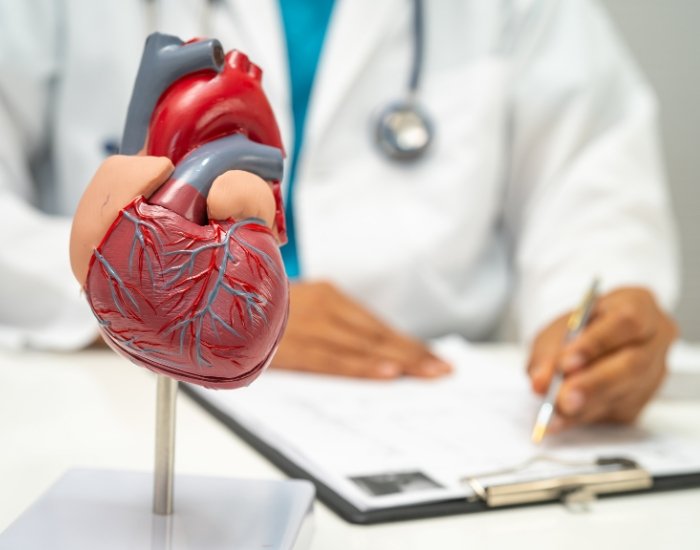
Coronary artery bypass grafting (CABG) creates new routes for blood to flow around blocked coronary arteries, using vessels from the chest, arm or leg. It is one of the most common major heart operations in the United States and relieves angina and improves survival for many patients with extensive coronary disease.
Recovery is a process that continues well after you leave the hospital. Knowing what to expect at each stage, and what to watch for, makes the weeks after surgery less stressful and helps you get the full benefit of the operation.
Quick answer
Most people stay in the hospital about 4 to 7 days after heart bypass surgery and recover substantially over 6 to 12 weeks. The breastbone usually takes 6 to 8 weeks to heal, so lifting, pushing and pulling are restricted during that time. Many people return to light activities within a few weeks, driving after about 4 to 6 weeks, desk work after about 4 to 8 weeks and more physical work after about 3 months. Cardiac rehabilitation, starting a few weeks after surgery, speeds recovery and improves long-term outcomes.
Have symptoms you want checked? Dr. M. Usman Khan sees patients at our Northwest Houston, Tomball and Sugar Land offices.
What patients say about our care team
Read all reviews on Google- ★★★★★
The staff was amazing, very friendly and attentive.
— Stephanie G. Google review - ★★★★★
He explained everything to me!
— Yesenia B. Google review - ★★★★★
Everyone is incredibly supportive and the standard of care is top tier.
— Humzah A. Google review - ★★★★★
It's always good when someone cares, not just comes to work.
— Cecila A. Google review - ★★★★★
I felt like I waited less time and was seen much faster!
— Yesenia B. Google review
- ★★★★★
I am extremely grateful for the support and compassion.
— Debra L. W. Google review - ★★★★★
She always takes great care of me.
— Shemeanna B. Google review - ★★★★★
Her clinical skills were exemplary. I would definitely recommend.
— Humzah A. Google review - ★★★★★
I had a great experience with my appointment today.
— Stephanie G. Google review - ★★★★★
Mrs. Maxine literally listened to my concerns.
— Cecila A. Google review
Important
Chest pain unlike incision pain, severe breathlessness, fainting, or signs of stroke after bypass surgery need 911.
What Happens in the Hospital After Bypass Surgery?
You spend one to two days in intensive care, then move to a step-down unit; breathing tube, drains and lines are removed, and you start walking within a day or two.
Breathing exercises with an incentive spirometer prevent pneumonia. Atrial fibrillation occurs in a significant share of patients after surgery and is usually temporary and treatable.
What Is the Week-by-Week Recovery Timeline?
Weeks 1 to 2 focus on walking and wound care, weeks 3 to 6 on building stamina and starting rehab, and weeks 6 to 12 on returning to normal activities as the breastbone heals.
| Time | What to expect |
|---|---|
| Days 1–7 | Hospital stay, walking, breathing exercises |
| Weeks 1–2 | Short walks several times a day, fatigue, poor appetite |
| Weeks 3–6 | Longer walks, cardiac rehab starts, energy improves |
| Weeks 4–6 | Driving often allowed if off strong pain medicine |
| Weeks 6–8 | Breastbone largely healed; lifting limits ease |
| Months 2–3 | Return to most activities and many jobs |
What Are Sternal Precautions?
For about 6 to 8 weeks, avoid lifting more than about 5 to 10 pounds, pushing or pulling heavy objects, and using your arms to push up from a chair; hug a pillow when coughing.
- Do not lift children, groceries or laundry baskets.
- Avoid reaching far behind you or overhead with weight.
- Use your legs, not arms, to stand up.
- Hold a pillow against your chest when coughing or sneezing.
How Should You Care for the Incisions?
Shower daily with mild soap, pat dry, avoid baths and lotions on the wounds until healed, and check daily for redness, swelling, drainage or fever.
Leg incisions from vein harvest may swell; elevate the leg when sitting and wear compression stockings if advised.
When to seek care right away
Call 911 for:
- Chest pain unlike incision pain
- Severe shortness of breath
- Fainting
- Stroke symptoms
Call your doctor the same day for:
- Fever over 101°F
- Redness, swelling or drainage at incisions
- Clicking or movement of the breastbone
- Rapid weight gain or leg swelling
Why Is Cardiac Rehab Important?
Cardiac rehabilitation provides supervised exercise, education and support, improving fitness, confidence and long-term survival after bypass surgery.
Most programs start a few weeks after discharge and run about 12 weeks. See cardiac rehabilitation.
Is It Normal to Feel Down After Bypass Surgery?
Yes. Mood swings, low mood, poor sleep and trouble concentrating are common for several weeks; support, activity and rehab help, but persistent depression should be treated.
Some people notice memory or concentration problems early on that usually improve over months.
How Do You Protect Your Bypass Grafts Long Term?
Take aspirin and statins as prescribed, control blood pressure and diabetes, quit smoking, stay active, eat a heart-healthy diet and keep regular follow-up.
Arterial grafts such as the internal mammary artery often last decades; vein grafts may narrow over time, so prevention matters. See coronary artery disease care.
How Should You Plan Daily Life at Home?
Arrange help for the first one to two weeks, set up a bedroom on the main floor if stairs are hard, keep commonly used items at waist height, and plan short walks several times a day.
- Weigh yourself daily and record it.
- Check your temperature each day for the first weeks.
- Take pain medicine as needed so you can walk and breathe deeply.
- Eat small, frequent heart-healthy meals if appetite is poor.
- Rest between activities and nap if needed.
- Avoid long periods of sitting; get up and move every hour.
Off-pump and minimally invasive bypass
Some patients have bypass without the heart-lung machine (off-pump) or through smaller incisions. Recovery may be somewhat faster, but the same principles of wound care, gradual activity and cardiac rehab apply. Your surgeon will tailor precautions to the approach used.
What Should You Eat During Recovery?
Focus on protein for healing, vegetables, fruit, whole grains and healthy fats, limit sodium to reduce fluid retention, and manage blood sugar carefully if you have diabetes.
Appetite is often poor at first; small, frequent meals help. Constipation is common from pain medicines and reduced activity; fiber, fluids and walking help, and your doctor may suggest a stool softener. Good blood sugar control reduces wound infection risk. See heart-healthy foods.
Returning to exercise
Walking is the foundation, increasing by a few minutes each day. Avoid upper-body weight training, golf swings and swimming until the breastbone has healed and your surgeon clears you, usually around 8 to 12 weeks. Cardiac rehab staff can guide you safely back to these activities.
Why Is Sleep Difficult After Bypass Surgery?
Incision discomfort, needing to sleep on your back, medicines and anxiety commonly disrupt sleep for several weeks; pain control, daytime activity and a regular routine help.
Which Medicines Are Usually Prescribed After Bypass?
Aspirin, a high-intensity statin, often a beta-blocker, and medicines for blood pressure, diabetes or heart failure as needed; some patients also take a second antiplatelet medicine or a blood thinner for atrial fibrillation.
Take medicines exactly as prescribed and bring the list to every visit. Do not stop aspirin or statins without talking to your cardiologist; they protect the grafts.
What Follow-Up Visits Are Needed?
Usually a surgical wound check within about two weeks, a cardiology visit within a few weeks, and then regular cardiology follow-up with lipid checks and testing if symptoms return.
Is Recovery Slower in Older Adults?
Recovery often takes longer in older adults and those with diabetes, lung or kidney disease, but most still regain function; extra help at home, physical therapy and cardiac rehab make a big difference.
How Can Family Members Help?
Help with meals, medicines, walks and appointments, watch for warning signs, and offer emotional support during the early weeks.
When Can You Travel After Bypass Surgery?
Short car trips as a passenger are fine early on; air travel is usually allowed after a few weeks once you are stable, but check with your surgeon.
What Is the Long-Term Outlook After Bypass?
Most patients have less angina, more energy and a better quality of life, and many live for decades after surgery, especially with good risk-factor control.
Report any return of angina promptly.
Why Is Quitting Smoking Critical After Bypass?
Smoking speeds graft narrowing and raises the risk of another heart attack; quitting is one of the most important steps after surgery.
Where to See a Cardiologist in Houston
Epic Heart & Vascular Center evaluates heart and vascular symptoms at three Greater Houston offices, with many tests such as ECGs and echocardiograms available on site. Care is led by Dr. M. Usman Khan, MD, FACC.
Also serving Richmond, Spring, Kingwood, Willowbrook and Eldridge patients. Monday to Friday, 8:00 am to 5:00 pm.
Key Takeaways
- Hospital stay is usually 4 to 7 days.
- Recovery takes about 6 to 12 weeks.
- The breastbone needs 6 to 8 weeks of lifting precautions.
- Cardiac rehab speeds recovery and improves outcomes.
- Medicines and lifestyle protect the grafts long term.
Frequently Asked Questions
How long is recovery after bypass surgery?
Most people recover substantially in 6 to 12 weeks.
When can I drive after bypass surgery?
Often after about 4 to 6 weeks, when off strong pain medicines and cleared by your surgeon.
When can I go back to work?
Desk work often after 4 to 8 weeks; physical jobs after about 3 months.
How long do bypass grafts last?
Arterial grafts often last decades; vein grafts may narrow over 10 to 15 years.
Is it normal to feel tired after bypass?
Yes; fatigue is common for several weeks.
When can I have sex after bypass surgery?
Often after about 4 to 6 weeks, when you can climb two flights of stairs comfortably; ask your doctor.
Sources and Further Reading
- National Heart, Lung, and Blood Institute. Coronary Artery Bypass Grafting.
- MedlinePlus. Heart surgery.
Medical disclaimer: This article is for general education and does not replace a visit with your own doctor. Symptoms, test results and treatment choices differ from person to person.
Please note: Reading this article does not create a doctor–patient relationship. If you think you are having a medical emergency, call 911.

About our cardiology practice
Dr. M. Usman Khan, MD, FACC
Dr. Khan is an interventional and general cardiologist who leads care at Epic Heart & Vascular Center, with offices in Northwest Houston, Tomball and Sugar Land. He completed his cardiovascular fellowship at the University of Virginia and holds fellowships in the American College of Cardiology, the American College of Physicians, the Society for Cardiovascular Angiography and Interventions and the American Society of Nuclear Cardiology.
This guide was written by the Epic Heart & Vascular Center editorial team from the sources listed above. Meet Dr. Khan →
Related Articles
What Are the Symptoms of Blocked Arteries in the Heart?
Blocked coronary arteries can cause chest pressure with exertion, breathlessness, unusual fatigue and pain in the arm, jaw or back, or no…
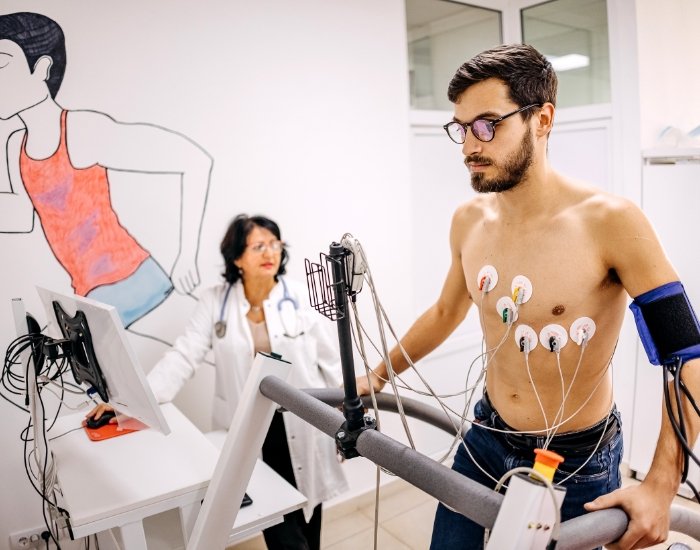
What Abnormal Stress Test Results Mean for Your Heart Health
An abnormal stress test can mean a blocked coronary artery, but it can also reflect a false positive, a prior heart attack…

Best Exercises for Strengthening Your Heart and Improving Overall Health
Aerobic exercise, strength training, interval training and flexibility work all benefit the heart. Learn how much to do, the best types, how…