
Poor sleep is one of the most common complaints after bypass surgery, valve surgery and other open heart operations. Patients expect incision pain; they are often surprised by how hard it is to get comfortable, how often they wake, and how tired they feel during the day.
The reasons are both physical and emotional: a healing breastbone, restrictions on how you can move, medicines, a disrupted body clock from the hospital stay, and natural anxiety after a major operation. The good news is that sleep usually improves steadily over the first six to eight weeks. This guide explains the safest positions while the sternum heals and practical ways to rest better.
Quick answer
The safest position after open heart surgery is on your back with your upper body slightly raised, either in bed with pillows or in a recliner. Most surgeons ask patients to avoid sleeping on their stomach and to avoid lying fully on one side until the breastbone has started to heal, usually about four to six weeks, though some allow side sleeping earlier with a pillow for support. Follow your surgeon’s specific instructions. Pain control before bed, a regular schedule, daytime walking and limiting naps help most people sleep better.
Have symptoms you want checked? Dr. M. Usman Khan sees patients at our Northwest Houston, Tomball and Sugar Land offices.
What patients say about our care team
Read all reviews on Google- ★★★★★
The staff was amazing, very friendly and attentive.
— Stephanie G. Google review - ★★★★★
He explained everything to me!
— Yesenia B. Google review - ★★★★★
Everyone is incredibly supportive and the standard of care is top tier.
— Humzah A. Google review - ★★★★★
It's always good when someone cares, not just comes to work.
— Cecila A. Google review - ★★★★★
I felt like I waited less time and was seen much faster!
— Yesenia B. Google review
- ★★★★★
I am extremely grateful for the support and compassion.
— Debra L. W. Google review - ★★★★★
She always takes great care of me.
— Shemeanna B. Google review - ★★★★★
Her clinical skills were exemplary. I would definitely recommend.
— Humzah A. Google review - ★★★★★
I had a great experience with my appointment today.
— Stephanie G. Google review - ★★★★★
Mrs. Maxine literally listened to my concerns.
— Cecila A. Google review
Important
Call your surgeon promptly for fever, increasing redness or drainage from the incision, a clicking or shifting feeling in the breastbone, or new shortness of breath. Call 911 for chest pain, fainting or severe breathlessness.
Why Is It Hard to Sleep After Open Heart Surgery?
Incision and muscle pain, sternal precautions that limit positions, medicines, frequent urination, anxiety, a disrupted body clock and sometimes sleep apnea all interfere with sleep.
During surgery the breastbone (sternum) is divided and wired back together. It takes roughly six to eight weeks to heal enough for normal activity and longer for full strength. Until then, certain positions put strain on the bone and muscles, so pain often wakes people when they turn.
- Pain from the incision, chest muscles, back and leg graft site
- Diuretics that cause nighttime urination
- Pain medicines, steroids and beta-blockers that affect sleep and dreams
- Anxiety, low mood or vivid dreams after surgery
- A body clock thrown off by days in intensive care
- Undiagnosed or worsened sleep apnea
What Are the 5 Best Sleeping Positions After Heart Surgery?
The five most commonly recommended options are back sleeping with the head raised, a recliner, back sleeping with a pillow under the knees, a semi-reclined side tilt supported by pillows once allowed, and full side sleeping after the surgeon clears it.
1. On your back with your upper body raised
Use two or three pillows or a wedge so your head and chest are raised about 30 to 45 degrees. This eases breathing, reduces reflux and keeps the sternum neutral.
2. In a recliner
Many patients sleep best in a recliner for the first few weeks because getting up is easier and does not require pushing with the arms. Choose a chair you can rise from without pulling hard on the armrests.
3. On your back with a pillow under your knees
A pillow under the knees relaxes the lower back and helps you stay on your back through the night.
4. A slight side tilt supported by pillows (if allowed)
Some surgeons allow a partial turn early on with a pillow behind your back and another hugged against your chest. This shares the load without twisting the breastbone.
5. Full side sleeping once cleared
After about four to six weeks, many patients are cleared to sleep on their side. Hugging a pillow keeps the shoulders from rolling forward and protects the incision. Stomach sleeping is usually the last position allowed.
How Should You Get In and Out of Bed Safely?
Use the log-roll technique: bend your knees, roll onto your side as one unit, then swing your legs down while pushing up gently, without pulling on the bed rail or pushing hard with both arms.
Sternal precautions typically include not pushing or pulling with your arms, not lifting more than about 5 to 10 pounds, and keeping your elbows close to your body when you move. Hugging a pillow when you cough or sneeze supports the chest and reduces pain. Your cardiac rehab team and surgeon will tell you when these restrictions ease.
When to seek care right away
Call 911 for:
- Chest pain unlike incision soreness
- Severe shortness of breath
- Fainting or a racing irregular heartbeat
- Sudden weakness, numbness or speech trouble
Call your doctor the same day for:
- Fever, redness, drainage or opening of the incision
- Clicking or movement of the breastbone
- Breathlessness lying flat or new swelling
- Low mood or anxiety lasting more than two weeks
What Tips Help You Sleep Better During Recovery?
Take pain medicine on schedule before bed, keep a regular routine, walk during the day, limit naps, reduce evening fluids if you take diuretics in the morning, and keep the bedroom dark, cool and quiet.
- Time pain relief: take prescribed pain medicine about 30 to 60 minutes before bed.
- Keep a routine: go to bed and get up at similar times every day.
- Walk daily: short, frequent walks build healthy tiredness and reduce anxiety.
- Limit naps to 20 to 30 minutes, before mid-afternoon.
- Take diuretics in the morning unless told otherwise, and taper evening fluids within any limits your team set.
- Avoid caffeine after noon and alcohol, which fragments sleep and interacts with medicines.
- Keep a phone and water within reach so you do not have to twist or reach.
- Wind down without screens for 30 minutes before bed; try slow breathing or calming music.
Is Anxiety or Depression After Heart Surgery Normal?
Yes. Anxiety, low mood, irritability and vivid dreams are common in the first weeks and usually improve, but persistent symptoms deserve treatment.
Up to a third of patients report significant low mood after heart surgery. Talking with family, joining cardiac rehabilitation and staying active help. If low mood, hopelessness or anxiety last more than two weeks or interfere with recovery, tell your care team; counseling and medicines are effective. See cardiac rehabilitation.
Could Sleep Apnea Be the Problem?
Possibly. Sleep apnea is common in people with heart disease, may worsen after surgery and raises the risk of atrial fibrillation and high blood pressure.
Loud snoring, pauses in breathing noticed by a partner, gasping awake, morning headaches and daytime sleepiness are clues. If you used CPAP before surgery, bring it to the hospital and resume it at home. Ask your doctor about a sleep study if these symptoms are new.
When Does Sleep Usually Return to Normal?
Most people notice steady improvement over two to six weeks and are sleeping close to normal by about two to three months.
If you are still sleeping poorly after six to eight weeks, or if sleep problems come with breathlessness when lying flat, a racing or irregular heartbeat, or swelling, tell your cardiologist. These can signal fluid buildup or atrial fibrillation, which are common after heart surgery and treatable. Read recovery time after bypass surgery and shortness of breath when lying down.
Where to See a Cardiologist in Houston
Epic Heart & Vascular Center evaluates heart and vascular symptoms at three Greater Houston offices, with many tests such as ECGs and echocardiograms available on site. Care is led by Dr. M. Usman Khan, MD, FACC.
Also serving Richmond, Spring, Kingwood, Willowbrook and Eldridge patients. Monday to Friday, 8:00 am to 5:00 pm.
Key Takeaways
- Sleep is commonly disrupted after open heart surgery and improves over weeks.
- Back sleeping with the upper body raised, or a recliner, is safest early on.
- Side sleeping is usually allowed after about four to six weeks; follow your surgeon’s instructions.
- Pain control, routine, daytime walking and limited naps improve sleep.
- Persistent sleep problems with breathlessness or palpitations need evaluation.
Frequently Asked Questions
How should I sleep after open heart surgery?
On your back with your upper body raised, or in a recliner, while your breastbone heals. Avoid stomach sleeping and follow your surgeon’s guidance on side sleeping.
When can I sleep on my side after bypass surgery?
Usually after about four to six weeks, once the sternum has started to heal, though some surgeons allow a supported partial turn earlier.
Why can’t I sleep after heart surgery?
Pain, position limits, medicines, nighttime urination, anxiety, a disrupted body clock and sleep apnea are common reasons.
Is it normal to have nightmares after heart surgery?
Yes. Vivid dreams and nightmares are common and usually fade within a few weeks. Tell your team if they persist.
Can I take sleeping pills after heart surgery?
Ask your doctor first. Some sleep aids interact with heart medicines or worsen breathing, especially with sleep apnea.
How long does it take to sleep normally after open heart surgery?
Most people improve steadily over two to six weeks and are close to normal by two to three months.
Sources and Further Reading
- National Heart, Lung, and Blood Institute. Coronary Artery Bypass Grafting.
- MedlinePlus. Heart Surgery.
- MedlinePlus. Heart surgery.
- National Heart, Lung, and Blood Institute. Sleep Apnea.
Medical disclaimer: This article is for general education and does not replace a visit with your own doctor. Symptoms, test results and treatment choices differ from person to person.
Please note: Reading this article does not create a doctor–patient relationship. If you think you are having a medical emergency, call 911.
About our cardiology practice
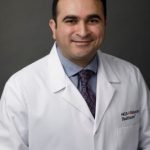
Dr. M. Usman Khan, MD, FACC
Dr. Khan is an interventional and general cardiologist who leads care at Epic Heart & Vascular Center, with offices in Northwest Houston, Tomball and Sugar Land. He completed his cardiovascular fellowship at the University of Virginia and holds fellowships in the American College of Cardiology, the American College of Physicians, the Society for Cardiovascular Angiography and Interventions and the American Society of Nuclear Cardiology.
This guide was written by the Epic Heart & Vascular Center editorial team from the sources listed above. Meet Dr. Khan →
Related Articles

What Is the Recovery Time After Heart Bypass Surgery?
Most people go home 4 to 7 days after coronary bypass surgery and recover over 6 to 12 weeks. Learn the week-by-week…
Recovering After Pacemaker Surgery: What to Do and What Not to Do
Most people go home within a day of pacemaker surgery and recover within weeks. Learn the restrictions, wound care, warning signs, driving…
Life Expectancy After a Heart Attack: What Affects It and How to Improve It
Many people live for decades after a heart attack. Learn what really determines life expectancy, from heart function to medicines and rehab,…