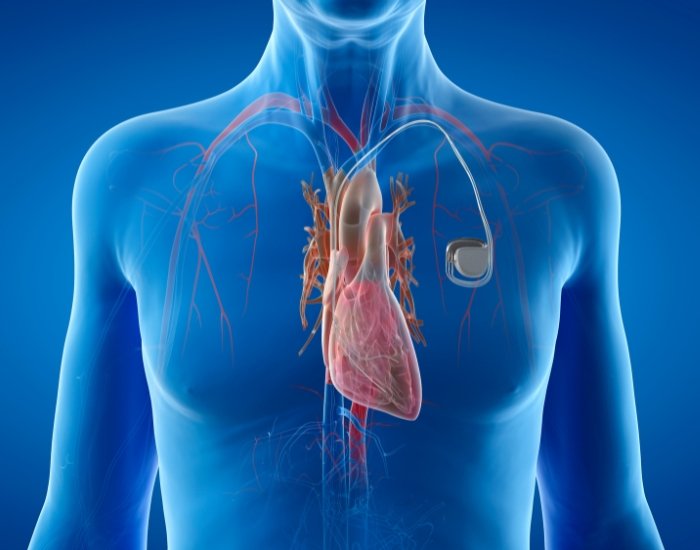
Hearing “your echo is normal” is a relief, and it should be. An echocardiogram is one of the most informative heart tests available. But many patients are surprised when their cardiologist still recommends another test, or when symptoms continue despite a clean report.
The reason is simple: an echo is an ultrasound picture of the heart’s structure and motion. It is excellent at some questions and blind to others. This guide explains exactly what a normal echo tells you, what it does not, and how cardiologists decide whether you need more testing.
Quick answer
A normal echocardiogram means your heart muscle, chambers, valves and pumping strength look healthy at rest, which rules out many serious conditions such as heart failure with a weak heart and significant valve disease. It does not rule out narrowed coronary arteries, heart rhythm problems or symptoms that appear only with exercise. If you have chest pain, palpitations, fainting or breathlessness, your doctor may still order a stress test, a heart monitor or a CT scan.
Have symptoms you want checked? Dr. M. Usman Khan sees patients at our Northwest Houston, Tomball and Sugar Land offices.
What patients say about our care team
Read all reviews on Google- ★★★★★
The staff was amazing, very friendly and attentive.
— Stephanie G. Google review - ★★★★★
He explained everything to me!
— Yesenia B. Google review - ★★★★★
Everyone is incredibly supportive and the standard of care is top tier.
— Humzah A. Google review - ★★★★★
It's always good when someone cares, not just comes to work.
— Cecila A. Google review - ★★★★★
I felt like I waited less time and was seen much faster!
— Yesenia B. Google review
- ★★★★★
I am extremely grateful for the support and compassion.
— Debra L. W. Google review - ★★★★★
She always takes great care of me.
— Shemeanna B. Google review - ★★★★★
Her clinical skills were exemplary. I would definitely recommend.
— Humzah A. Google review - ★★★★★
I had a great experience with my appointment today.
— Stephanie G. Google review - ★★★★★
Mrs. Maxine literally listened to my concerns.
— Cecila A. Google review
Important
A normal echo done months ago does not protect you from a heart attack today. New chest pressure, breathlessness or fainting always needs fresh evaluation; call 911 for severe symptoms.
What Does an Echocardiogram Show?
An echo shows the size and thickness of the heart chambers, how well the heart squeezes and relaxes, how the valves open and close, the pressures inside the heart, and fluid around the heart.
A standard transthoracic echo uses a handheld ultrasound probe on the chest. Doppler measures the speed and direction of blood flow. Together they answer key questions:
- Ejection fraction (EF): the share of blood the left ventricle pumps out per beat. Normal is about 50% to 70%.
- Wall motion: whether every segment of the heart muscle moves normally. A scar from a past heart attack often shows up here.
- Valves: narrowing (stenosis) or leaking (regurgitation) of the aortic, mitral, tricuspid and pulmonary valves.
- Diastolic function: how easily the heart relaxes and fills, important in heart failure with preserved EF.
- Pulmonary pressure: an estimate of pressure in the lungs’ circulation.
- Pericardium: fluid or thickening around the heart.
Read more about echocardiography and Doppler studies and normal versus abnormal echo results.
What Can a Normal Echo Miss?
A resting echo cannot see inside the coronary arteries, cannot capture rhythm problems that come and go, and may look normal when symptoms appear only during exercise.
Narrowed or blocked coronary arteries
The heart muscle often moves normally at rest even when an artery is 70% narrowed, because enough blood still gets through when demand is low. The problem shows up only when the heart works harder. That is why a person with exertional chest pressure can have a perfectly normal resting echo. See coronary artery disease.
Heart rhythm problems
Atrial fibrillation, supraventricular tachycardia and frequent extra beats may not be happening during a 30-minute echo. A heart that is structurally normal can still have an electrical problem.
Early or subtle disease
Mild diastolic dysfunction, early cardiomyopathy and some congenital or inherited conditions can be hard to see, especially if image quality is limited by body size or lung disease.
Problems outside the heart
Lung clots, lung disease, anemia, thyroid problems and reflux can all cause chest symptoms with a normal heart.
When to seek care right away
Call 911 for:
- Chest pain or pressure, especially with sweating or nausea
- Severe shortness of breath
- Fainting
- A racing heartbeat with dizziness
Call your doctor the same day for:
- Chest discomfort with walking or stairs
- Palpitations that keep coming back
- Breathlessness that is getting worse
- Symptoms that continued after a normal echo
What Tests Come After a Normal Echo?
Depending on symptoms, the next step may be a stress test, coronary CT angiography or calcium score, a Holter or event monitor, or a stress echocardiogram.
| If your main symptom is… | A common next test | What it looks for |
|---|---|---|
| Chest pressure or breathlessness with exertion | Exercise stress test, stress echo or nuclear stress test | Reduced blood flow during exercise |
| Risk factors but no symptoms | Coronary calcium scan | Calcified plaque in the arteries |
| Palpitations, racing or skipped beats | Holter or event monitor | Rhythm over days to weeks |
| Fainting or near fainting | Monitor, sometimes an implantable loop recorder | Pauses, fast rhythms |
| Strong suspicion of artery disease | CT coronary angiography or cardiac catheterization | Direct picture of the arteries |
When Is a Normal Echo Enough Reassurance?
A normal echo is often enough when it was done to check murmurs, heart size or pumping strength and you have no exertional symptoms, fainting or worrying rhythm findings.
For many people, such as those with a soft murmur, mild high blood pressure or a family member with heart disease, a normal echo answers the question that was asked. Your cardiologist will tell you whether it closes the case or whether a second test is needed to answer a different question.
Keep in mind that a normal echo is a snapshot. Blood pressure, cholesterol, diabetes and smoking still drive risk over the years, so prevention remains important. See how to lower the risk of heart disease.
What If Symptoms Continue After a Normal Echo?
Tell your doctor; persistent symptoms deserve a targeted test for the arteries or rhythm and a look at non-heart causes.
Be specific about what you feel, when it happens and how long it lasts. A symptom diary helps. Ask your doctor directly: “Does my normal echo rule out a blocked artery? Does it rule out an arrhythmia?” If the answer is no, ask what test would.
Women, people with diabetes and older adults are more likely to have heart symptoms that are subtle, such as fatigue, breathlessness or indigestion-like discomfort, so they should not let a normal echo end the conversation if symptoms persist. Some patients have coronary microvascular disease, which affects the tiny arteries and is not visible on an echo or a standard angiogram.
How Do You Read the Terms on a Normal Echo Report?
Most normal reports use phrases such as normal left ventricular size and function, no significant valve disease, and normal estimated pulmonary pressure; small findings like trace regurgitation are usually normal variants.
Echo reports are written for doctors, so patients often worry about words that are actually reassuring. A few common examples:
- “Trace” or “trivial” mitral or tricuspid regurgitation: a tiny backward leak seen in most healthy hearts. It is not disease.
- “Normal LV size and systolic function, EF 55–60%”: the main pumping chamber is normal in size and strength.
- “Grade I diastolic dysfunction” or “impaired relaxation”: a mild stiffening that is common with age and high blood pressure. It is worth controlling blood pressure but is not heart failure on its own.
- “Mild left ventricular hypertrophy”: slight thickening of the heart wall, often from long-standing high blood pressure.
- “No pericardial effusion”: no fluid around the heart.
- “Technically difficult study”: images were limited, so some structures may not have been seen clearly. Ask whether a repeat or a different test is needed.
Ask your cardiologist to go through the report with you, and keep a copy. If you change doctors or visit an emergency room, a prior echo is a valuable comparison.
Preparing for an echo
A standard echo needs no fasting and takes about 30 to 60 minutes. Wear a two-piece outfit, bring a list of your medicines, and mention any symptoms you have had recently so the sonographer can pay extra attention to the relevant areas. A transesophageal echo or stress echo has different preparation, which our team explains when scheduling.
Where to See a Cardiologist in Houston
Epic Heart & Vascular Center evaluates heart and vascular symptoms at three Greater Houston offices, with many tests such as ECGs and echocardiograms available on site. Care is led by Dr. M. Usman Khan, MD, FACC.
Also serving Richmond, Spring, Kingwood, Willowbrook and Eldridge patients. Monday to Friday, 8:00 am to 5:00 pm.
Key Takeaways
- A normal echo means heart muscle, chambers, valves and pumping look healthy at rest.
- It cannot see inside the coronary arteries or catch rhythm problems that come and go.
- Exertional chest pain with a normal echo usually calls for a stress test or CT scan.
- Palpitations or fainting usually call for a heart monitor.
- A normal echo is a snapshot; prevention and follow-up still matter.
Frequently Asked Questions
Can you have heart disease with a normal echocardiogram?
Yes. Narrowed coronary arteries, rhythm problems and coronary microvascular disease can all be present with a normal resting echo.
Does a normal echo rule out blocked arteries?
No. An echo shows heart muscle and valves, not the inside of the arteries. A stress test, calcium scan or CT angiography is used to look for blockages.
What is a normal ejection fraction on an echo?
A normal ejection fraction is about 50% to 70%. Values of 40% or less indicate reduced pumping.
Why would a cardiologist order a stress test after a normal echo?
Because some problems, especially narrowed arteries, only show up when the heart works harder. A stress test checks how the heart responds to exercise.
Can an echo detect a heart attack?
An echo can show heart muscle that is not moving normally after a heart attack, but blood tests and an ECG are used to diagnose a heart attack as it happens.
How long is a normal echo result valid?
There is no fixed expiry. It reflects your heart at that time. New or changing symptoms always deserve fresh evaluation.
Sources and Further Reading
- MedlinePlus. Echocardiogram.
- National Heart, Lung, and Blood Institute. Coronary Heart Disease: Diagnosis.
- National Heart, Lung, and Blood Institute. Arrhythmias: Diagnosis.
Medical disclaimer: This article is for general education and does not replace a visit with your own doctor. Symptoms, test results and treatment choices differ from person to person.
Please note: Reading this article does not create a doctor–patient relationship. If you think you are having a medical emergency, call 911.

About our cardiology practice
Dr. M. Usman Khan, MD, FACC
Dr. Khan is an interventional and general cardiologist who leads care at Epic Heart & Vascular Center, with offices in Northwest Houston, Tomball and Sugar Land. He completed his cardiovascular fellowship at the University of Virginia and holds fellowships in the American College of Cardiology, the American College of Physicians, the Society for Cardiovascular Angiography and Interventions and the American Society of Nuclear Cardiology.
This guide was written by the Epic Heart & Vascular Center editorial team from the sources listed above. Meet Dr. Khan →