Heart disease remains the leading cause of death in the United States, yet most of it is preventable. The habits that protect the heart are not secret or expensive: what you eat, how much you move, how well you sleep, whether you smoke and how you manage stress, together with knowing your numbers.
This guide focuses on the natural steps with the strongest evidence and how much benefit each brings. It also explains where natural measures are enough and where medicines are still the right choice, because natural and medical care work best together.
Quick answer
The most effective natural ways to lower heart disease risk are: not smoking, eating a Mediterranean or DASH-style diet rich in vegetables, fruit, whole grains, legumes, nuts and olive oil, getting at least 150 minutes of moderate activity weekly, sleeping 7 to 9 hours, keeping a healthy weight, limiting alcohol and managing stress. Knowing and controlling your blood pressure, cholesterol and blood sugar is equally important. These steps can prevent most heart attacks and strokes, but some people still need medicines to reach safe numbers.
Have symptoms you want checked? Dr. M. Usman Khan sees patients at our Northwest Houston, Tomball and Sugar Land offices.
What patients say about our care team
Read all reviews on Google- ★★★★★
The staff was amazing, very friendly and attentive.
— Stephanie G. Google review - ★★★★★
He explained everything to me!
— Yesenia B. Google review - ★★★★★
Everyone is incredibly supportive and the standard of care is top tier.
— Humzah A. Google review - ★★★★★
It's always good when someone cares, not just comes to work.
— Cecila A. Google review - ★★★★★
I felt like I waited less time and was seen much faster!
— Yesenia B. Google review
- ★★★★★
I am extremely grateful for the support and compassion.
— Debra L. W. Google review - ★★★★★
She always takes great care of me.
— Shemeanna B. Google review - ★★★★★
Her clinical skills were exemplary. I would definitely recommend.
— Humzah A. Google review - ★★★★★
I had a great experience with my appointment today.
— Stephanie G. Google review - ★★★★★
Mrs. Maxine literally listened to my concerns.
— Cecila A. Google review
Important
Chest pain, shortness of breath, fainting or stroke symptoms need 911 regardless of lifestyle.
What Is Life’s Essential 8?
The American Heart Association’s Life’s Essential 8 lists eight measures of heart health: diet, physical activity, nicotine exposure, sleep, weight, cholesterol, blood sugar and blood pressure.
Improving even one or two of these lowers risk; people who score well on most of them have dramatically lower rates of heart attack and stroke. It is a useful checklist for your next visit.
Which Numbers Should You Know?
Blood pressure, LDL cholesterol, blood sugar (A1c or fasting glucose), waist size or BMI and, for many adults, a 10-year risk estimate.
| Measure | General goal |
|---|---|
| Blood pressure | Below 130/80 for most adults |
| LDL cholesterol | Lower is better; target depends on risk |
| Fasting glucose | Below 100 mg/dL |
| A1c | Below 5.7% |
| Waist | Under 40 in (men), under 35 in (women) |
What Eating Pattern Protects the Heart Most?
Mediterranean and DASH-style patterns, built on vegetables, fruit, whole grains, legumes, nuts, olive oil and fish, with little processed meat, refined starch, sugary drinks and excess sodium.
- Fill half your plate with vegetables and fruit.
- Choose whole grains such as oats, brown rice and whole wheat.
- Eat beans, lentils or chickpeas several times a week.
- Use olive oil instead of butter.
- Eat fish, especially oily fish, twice a week.
- Snack on unsalted nuts.
- Limit processed meats, fried foods, pastries and sugary drinks.
- Keep sodium under about 2,300 mg a day, ideally lower.
See best foods for heart health.
How Much Exercise Lowers Heart Risk?
At least 150 minutes of moderate activity or 75 minutes of vigorous activity per week, plus muscle strengthening twice weekly; any movement is better than none.
Brisk walking counts. Breaking up long periods of sitting also helps. See best exercises for heart health.
How Much Does Quitting Smoking Help?
Quitting is the single most powerful step for smokers; heart attack risk starts falling within a year and approaches that of a nonsmoker over time.
Avoid secondhand smoke and vaping. Counseling plus FDA-approved medicines doubles quit rates. Free help is available at 1-800-QUIT-NOW.
Do Sleep and Stress Really Matter?
Yes. Short or poor sleep and chronic stress raise blood pressure, blood sugar and inflammation; untreated sleep apnea is a major contributor.
- Aim for 7–9 hours of sleep with a consistent schedule.
- Get evaluated if you snore loudly or feel exhausted.
- Use stress tools that work for you: walking, prayer, meditation, social connection.
- Seek help for depression or anxiety.
How Do Weight and Alcohol Affect Risk?
Losing even 5% to 10% of body weight improves blood pressure, cholesterol and blood sugar; limiting alcohol lowers blood pressure and AFib risk.
For alcohol, less is better for the heart. If you do not drink, there is no heart reason to start.
When to seek care right away
Call 911 for:
- Chest pain or pressure
- Sudden shortness of breath
- Fainting
- Face drooping, arm weakness or speech trouble
Call your doctor the same day for:
- Blood pressure repeatedly above 130/80
- Strong family history of early heart disease
- Chest discomfort with exertion
- Diabetes or high cholesterol
When Are Natural Measures Not Enough?
When blood pressure, LDL cholesterol or blood sugar remain above goal after lifestyle changes, or when risk is already high, medicines such as statins or blood pressure drugs add proven protection.
Medicines are not a failure. They work alongside healthy habits. See preventive cardiology and how to lower cholesterol naturally.
What Does a Heart-Healthy Day Look Like?
A practical day includes an oatmeal or egg-and-vegetable breakfast, a walk, a salad or bean-based lunch, fruit or nuts as snacks, a fish or legume dinner with vegetables, no tobacco, little or no alcohol and a consistent bedtime.
| Time | Heart-healthy choice |
|---|---|
| Breakfast | Oatmeal with berries and walnuts, or eggs with spinach and whole-grain toast |
| Morning | 10–15 minute walk or stretching break |
| Lunch | Salad with beans, grilled chicken or tuna, olive oil dressing |
| Snack | Apple, carrots with hummus or a small handful of almonds |
| Dinner | Baked salmon or lentil curry, brown rice, roasted vegetables |
| Evening | Short walk, screens off an hour before bed, 7–9 hours of sleep |
Small changes that add up
You do not need to change everything at once. Swap sugary drinks for water or unsweetened tea, add one vegetable to each meal, take the stairs, and park farther away. Each habit lowers blood pressure and blood sugar a little, and together they produce meaningful protection over years.
Who Should Be Most Proactive About Prevention?
People with a family history of early heart disease, high blood pressure, high cholesterol, diabetes, kidney disease, obesity, smoking history, autoimmune disease, pregnancy complications such as preeclampsia, or South Asian ancestry benefit most from early, active prevention.
For these groups, a cardiologist can refine risk with tests such as lipoprotein(a), a coronary calcium score or a vascular ultrasound. These results can show whether lifestyle alone is enough or whether medicines should start earlier.
Women and heart disease prevention
Heart disease is the leading cause of death for women too. Pregnancy complications such as gestational diabetes and preeclampsia, early menopause and autoimmune conditions raise later risk and should be shared with your doctor. See heart disease warning signs in women.
What Common Heart Health Myths Should You Ignore?
Common myths are that heart disease only affects older men, that thin people are safe, that symptoms are always dramatic, that supplements replace medicines, and that it is too late to change once you are older.
- Myth: I am too young. Plaque starts building in early adulthood.
- Myth: I am thin, so I am safe. Blood pressure, cholesterol and smoking matter regardless of weight.
- Myth: I would feel high blood pressure. Most people feel nothing.
- Myth: Fish oil capsules prevent heart attacks. Evidence for most over-the-counter supplements is weak.
- Myth: It is too late at my age. Benefits from quitting smoking, moving more and controlling blood pressure begin quickly at any age.
When in doubt, ask your doctor which steps will give you the biggest benefit given your personal risk.
How Often Should You Get Heart Health Checkups?
Most adults should have blood pressure checked at least yearly, cholesterol every four to six years (more often if elevated), and blood sugar screening based on age and weight; people with risk factors need more frequent review.
A preventive cardiology visit is worthwhile if you have several risk factors or a family history of early heart disease.
Where to See a Cardiologist in Houston
Epic Heart & Vascular Center evaluates heart and vascular symptoms at three Greater Houston offices, with many tests such as ECGs and echocardiograms available on site. Care is led by Dr. M. Usman Khan, MD, FACC.
Also serving Richmond, Spring, Kingwood, Willowbrook and Eldridge patients. Monday to Friday, 8:00 am to 5:00 pm.
Key Takeaways
- Most heart disease is preventable.
- Life’s Essential 8 is a practical checklist.
- Mediterranean or DASH eating and 150 minutes of weekly activity are core habits.
- Quitting smoking and treating sleep apnea have big benefits.
- Medicines add protection when natural measures do not reach goals.
Frequently Asked Questions
What is the best natural way to prevent heart disease?
Not smoking, eating a Mediterranean or DASH diet, exercising regularly, sleeping well and keeping a healthy weight.
Can diet alone prevent heart disease?
Diet helps a lot, but works best with exercise, no smoking and controlled blood pressure, cholesterol and sugar.
How much walking lowers heart risk?
About 30 minutes of brisk walking five days a week meets the 150-minute goal.
Do supplements prevent heart disease?
Most supplements have not been shown to prevent heart attacks; whole foods are preferred.
Can I stop statins if I eat healthy?
Discuss with your doctor; for many people lifestyle and statins together are needed.
How quickly does lifestyle change lower risk?
Blood pressure and blood sugar can improve within weeks; long-term risk falls over months to years.
Sources and Further Reading
- Centers for Disease Control and Prevention. Preventing Heart Disease.
- National Heart, Lung, and Blood Institute. Heart-Healthy Living.
- National Heart, Lung, and Blood Institute. DASH Eating Plan.
- U.S. Department of Health and Human Services. Physical Activity Guidelines for Americans.
Medical disclaimer: This article is for general education and does not replace a visit with your own doctor. Symptoms, test results and treatment choices differ from person to person.
Please note: Reading this article does not create a doctor–patient relationship. If you think you are having a medical emergency, call 911.

About our cardiology practice
Dr. M. Usman Khan, MD, FACC
Dr. Khan is an interventional and general cardiologist who leads care at Epic Heart & Vascular Center, with offices in Northwest Houston, Tomball and Sugar Land. He completed his cardiovascular fellowship at the University of Virginia and holds fellowships in the American College of Cardiology, the American College of Physicians, the Society for Cardiovascular Angiography and Interventions and the American Society of Nuclear Cardiology.
This guide was written by the Epic Heart & Vascular Center editorial team from the sources listed above. Meet Dr. Khan →
Related Articles

How to Reduce the Risk of Heart Disease With Lifestyle Changes: A Step-by-Step Plan
Whether you already have heart disease or are at high risk, lifestyle changes cut the chance of heart attack and stroke. Here…

How to Lower Cholesterol and Improve Heart Health Naturally
A complete natural plan for lowering cholesterol: diet, exercise, weight loss, quitting smoking, sleep and the evidence on supplements, plus how to…
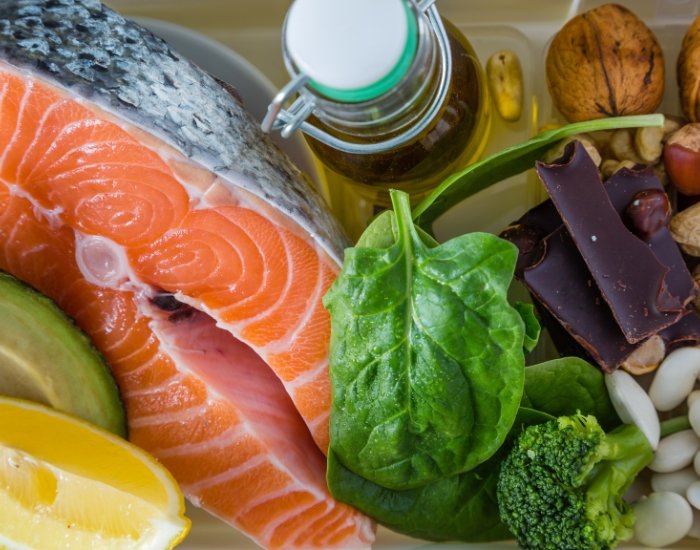
Best Foods to Prevent Heart Attacks and Improve Heart Function
The foods most strongly linked to fewer heart attacks include vegetables, fruit, whole grains, legumes, nuts, olive oil and fish. Learn what…