Coronary Artery Disease
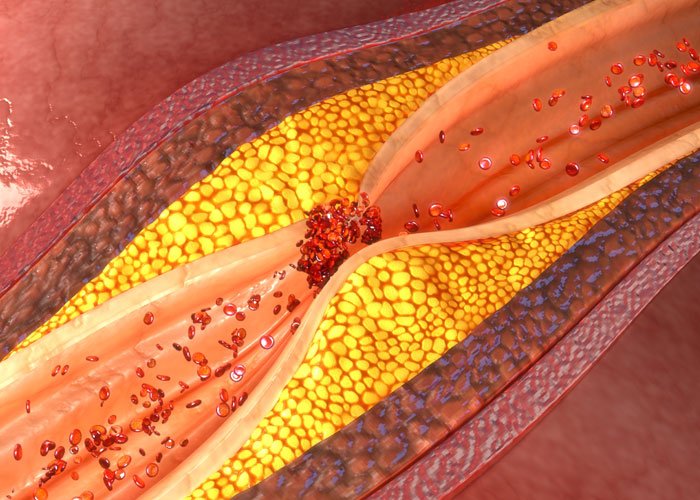
Coronary Artery Disease (CAD) happens when the coronary arteries that supply blood to the heart become blocked or narrowed. This happens due to the accumulation of cholesterol and fatty acids, also called plaques, on the heart’s inner walls. The plaques clog the arteries and minimize the blood supply to the heart. Ultimately, the heart stops working properly due to the absence of oxygen and vital nutrients, resulting in chest pain or a heart attack.
Chest pain (angina) is the most common CAD symptom and causes tightness, pressure, numbness, or a burning sensation. The symptoms may also include nausea, dizziness, sweating, irregular heartbeats, or shortness of breath.