A heart attack and sudden cardiac arrest are both heart emergencies, and they are connected, but they arise from different problems inside the heart. A heart attack starts in the arteries; cardiac arrest starts in the electrical system. Because the causes differ, so do the people most at risk and the steps that prevent each one.
This guide focuses on what drives each event, who is at risk, how cardiologists assess that risk and what can be done to lower it. For a quick guide to recognizing each emergency and what to do in the moment, see our article on the difference between a heart attack and cardiac arrest.
Quick answer
A heart attack is caused by a sudden blockage of a coronary artery, usually when a cholesterol plaque ruptures and a clot forms, starving part of the heart muscle of oxygen. Cardiac arrest is caused by an electrical malfunction, most often ventricular fibrillation, that stops the heart from pumping. Heart attacks are driven mainly by coronary artery disease risk factors; cardiac arrest risk is highest in people with a prior heart attack, weakened heart muscle, heart failure or inherited rhythm or muscle disorders. Preventing heart attacks centers on cholesterol, blood pressure, diabetes and smoking control; preventing sudden death adds ICDs for high-risk patients and bystander CPR and AEDs.
Have symptoms you want checked? Dr. M. Usman Khan sees patients at our Northwest Houston, Tomball and Sugar Land offices.
What patients say about our care team
Read all reviews on Google- ★★★★★
The staff was amazing, very friendly and attentive.
— Stephanie G. Google review - ★★★★★
He explained everything to me!
— Yesenia B. Google review - ★★★★★
Everyone is incredibly supportive and the standard of care is top tier.
— Humzah A. Google review - ★★★★★
It's always good when someone cares, not just comes to work.
— Cecila A. Google review - ★★★★★
I felt like I waited less time and was seen much faster!
— Yesenia B. Google review
- ★★★★★
I am extremely grateful for the support and compassion.
— Debra L. W. Google review - ★★★★★
She always takes great care of me.
— Shemeanna B. Google review - ★★★★★
Her clinical skills were exemplary. I would definitely recommend.
— Humzah A. Google review - ★★★★★
I had a great experience with my appointment today.
— Stephanie G. Google review - ★★★★★
Mrs. Maxine literally listened to my concerns.
— Cecila A. Google review
Important
For chest pain or collapse, call 911 immediately. For collapse with no normal breathing, start CPR and use an AED.
What Happens Inside the Heart in Each Event?
In a heart attack, a ruptured plaque triggers a clot that blocks blood flow; in cardiac arrest, chaotic electrical activity makes the ventricles quiver instead of pump.
| Heart attack | Cardiac arrest | |
|---|---|---|
| Starts in | Coronary arteries | Electrical system |
| Trigger | Plaque rupture and clot | Ventricular fibrillation or VT |
| Heart muscle | Injured beyond the blockage | Stops pumping blood |
| Consciousness | Usually awake | Unconscious within seconds |
| Fix | Open the artery | Shock the rhythm back |
What Causes Heart Attacks?
Most are caused by coronary artery disease with plaque rupture; less common causes include coronary spasm, spontaneous coronary artery dissection (SCAD), blood clots traveling to the heart and severe mismatch of oxygen supply and demand.
See symptoms of blocked heart arteries.
What Causes Sudden Cardiac Arrest?
Coronary artery disease and scar from prior heart attacks are the most common causes; others include cardiomyopathies, heart failure, inherited arrhythmia syndromes, valve disease, severe electrolyte imbalance, drugs and myocarditis.
- Scar from a prior heart attack.
- Dilated or hypertrophic cardiomyopathy.
- Long QT, Brugada and other inherited channel disorders.
- Arrhythmogenic right ventricular cardiomyopathy.
- Severe aortic stenosis.
- Very low potassium or magnesium; stimulant drugs.
Who Is at Risk for Each?
Heart attack risk follows coronary risk factors such as age, smoking, high LDL, high blood pressure and diabetes; sudden cardiac arrest risk is highest in people with an ejection fraction of 35% or less, prior cardiac arrest, unexplained fainting or a family history of sudden death.
Most sudden cardiac arrests happen in people with underlying coronary disease, sometimes unrecognized.
When to seek care right away
Call 911 for:
- Collapse with no normal breathing: CPR and AED
- Chest pressure lasting minutes
- Fainting during exercise
- Chest pain with sweating or breathlessness
Call your doctor the same day for:
- Family history of sudden death under 50
- Known ejection fraction 35% or less
- Unexplained fainting
- Palpitations with dizziness
How Do Cardiologists Assess Your Risk?
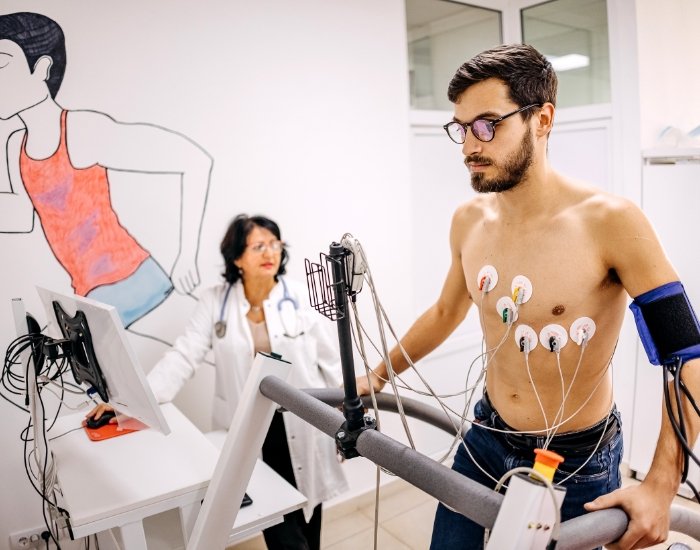
For heart attack risk: lipid panel, blood pressure, diabetes testing, risk calculators and coronary calcium scoring; for sudden death risk: ECG, echocardiogram for ejection fraction, heart monitoring, cardiac MRI and genetic testing when inherited disease is suspected.
See coronary calcium scan and echocardiogram.
How Can You Prevent a Heart Attack?
Lower LDL with diet and statins, control blood pressure and diabetes, quit smoking, exercise regularly, keep a healthy weight and take aspirin only if advised.
See lowering heart disease risk naturally.
How Can Sudden Cardiac Death Be Prevented?
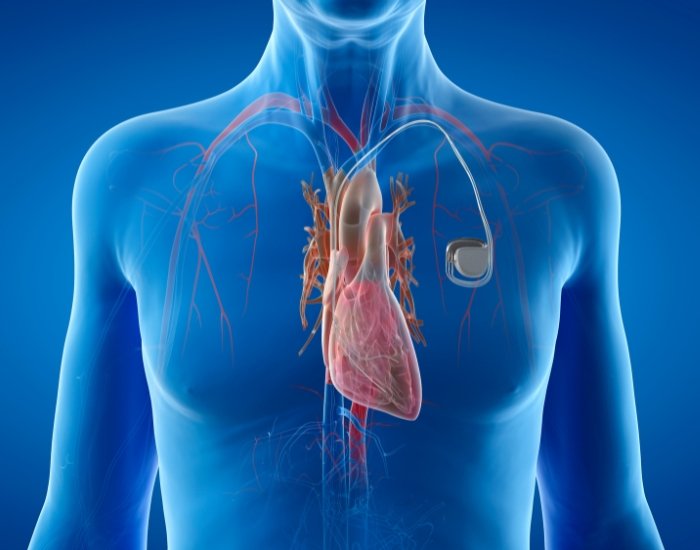
Treating coronary disease and heart failure with guideline medicines, implanting an ICD in high-risk patients, screening relatives of people with inherited conditions, and ensuring bystander CPR and AED access.
See ICDs and pacemakers.
Why Do Some Young Athletes Have Sudden Cardiac Arrest?
Most cases in young athletes come from undiagnosed hypertrophic cardiomyopathy, coronary artery anomalies, myocarditis, inherited arrhythmias or a blow to the chest (commotio cordis).
Warning signs include fainting or chest pain during exercise, palpitations with exertion and a family history of sudden death. Pre-participation screening with history and examination, and ECG in selected cases, helps identify those at risk. Every school and sports facility should have an AED and staff trained in CPR.
After surviving a heart attack
After a heart attack, the risk of sudden cardiac arrest is highest in the first weeks, particularly when the heart muscle is weakened. Cardiologists reassess the ejection fraction after a period of treatment; if it remains 35% or lower, an ICD is often recommended. A wearable defibrillator vest may protect some patients during the waiting period.
When Is Genetic Testing Recommended?
Genetic testing is considered after a sudden unexplained death in a young relative, when cardiomyopathy or an inherited arrhythmia is diagnosed, or when an ECG shows patterns such as long QT or Brugada.
Results can guide screening of family members, medicines, lifestyle and sports advice, and decisions about ICDs. Genetic counseling helps families understand results and their implications.
Medicines and substances that raise cardiac arrest risk
- Stimulants such as cocaine and methamphetamine.
- High-dose energy drinks in susceptible people.
- Medicines that prolong the QT interval in people with long QT tendency.
- Severe electrolyte disturbances from diuretics, vomiting or diarrhea.
Do Women Differ in Heart Attack and Cardiac Arrest Risk?
Women tend to have heart attacks later in life and more often from SCAD or microvascular disease, and are less likely to receive bystander CPR in public, which highlights the need for awareness.
How Can Communities Improve Survival From Cardiac Arrest?
Widespread CPR training, public AED placement and registries, dispatcher-guided CPR and fast EMS response all increase survival.
Learning hands-only CPR takes minutes. Many communities offer free classes through fire departments and hospitals.
How Do Symptoms Differ Briefly?
Heart attack: chest pressure, breathlessness, sweating and nausea in a conscious person. Cardiac arrest: sudden collapse, unresponsiveness and no normal breathing.
Does Diabetes Raise the Risk of Both?
Yes. Diabetes accelerates coronary disease and is linked to silent heart attacks and a higher risk of sudden cardiac death.
Can Sleep Apnea Raise the Risk of Sudden Death?
Severe untreated sleep apnea is linked to nighttime arrhythmias and a higher risk of sudden cardiac death; diagnosis and CPAP treatment are recommended.
How Does Cardiac Rehab Help After Either Event?
Cardiac rehabilitation improves fitness, confidence and survival after a heart attack or cardiac arrest, and helps patients manage risk factors.
What Emotional Support Do Survivors Need?
Survivors of heart attacks and cardiac arrest commonly experience anxiety, depression or post-traumatic stress, and counseling and support groups help recovery.
How Often Should High-Risk People See a Cardiologist?
Typically every few months to yearly, depending on the condition, with device checks for those with ICDs.
Where to See a Cardiologist in Houston
Epic Heart & Vascular Center evaluates heart and vascular symptoms at three Greater Houston offices, with many tests such as ECGs and echocardiograms available on site. Care is led by Dr. M. Usman Khan, MD, FACC.
Also serving Richmond, Spring, Kingwood, Willowbrook and Eldridge patients. Monday to Friday, 8:00 am to 5:00 pm.
Key Takeaways
- A heart attack is a blocked artery; cardiac arrest is an electrical failure.
- Coronary risk factors drive heart attacks.
- Weak heart muscle, prior heart attack and inherited disorders drive cardiac arrest risk.
- Risk testing differs for each.
- ICDs, CPR and AEDs prevent sudden death; risk-factor control prevents heart attacks.
Frequently Asked Questions
What makes cardiac arrest different from a heart attack?
Cardiac arrest is an electrical failure that stops pumping; a heart attack is a blood flow blockage.
Can a healthy person have cardiac arrest?
Yes, sometimes from undiagnosed inherited conditions or silent coronary disease.
Does a heart attack always lead to cardiac arrest?
No, but it can trigger it, especially early on.
Who needs an ICD?
People at high risk of sudden death, such as those with EF of 35% or less or prior cardiac arrest.
Can cardiac arrest be predicted?
Not perfectly, but risk can be assessed with ECG, echo, MRI and family history.
Should relatives be screened after sudden death in the family?
Yes, especially if the person was young.
Sources and Further Reading
- National Heart, Lung, and Blood Institute. Sudden Cardiac Arrest.
- National Heart, Lung, and Blood Institute. Heart Attack.
- National Heart, Lung, and Blood Institute. Defibrillators.
Medical disclaimer: This article is for general education and does not replace a visit with your own doctor. Symptoms, test results and treatment choices differ from person to person.
Please note: Reading this article does not create a doctor–patient relationship. If you think you are having a medical emergency, call 911.
About our cardiology practice
Dr. M. Usman Khan, MD, FACC
Dr. Khan is an interventional and general cardiologist who leads care at Epic Heart & Vascular Center, with offices in Northwest Houston, Tomball and Sugar Land. He completed his cardiovascular fellowship at the University of Virginia and holds fellowships in the American College of Cardiology, the American College of Physicians, the Society for Cardiovascular Angiography and Interventions and the American Society of Nuclear Cardiology.
This guide was written by the Epic Heart & Vascular Center editorial team from the sources listed above. Meet Dr. Khan →
Related Articles

What Is the Difference Between a Heart Attack and Cardiac Arrest?
A heart attack is a circulation problem; cardiac arrest is an electrical problem. Learn how the symptoms differ, what to do in…
Top 10 Pre-Heart Attack Warning Signs to Look Out For
Many heart attacks are preceded by warning signs days or weeks earlier, such as chest discomfort with exertion, unusual fatigue and breathlessness.…
Defibrillators vs Pacemakers: Differences Explained
Pacemakers treat slow heart rhythms; implantable defibrillators (ICDs) treat dangerous fast rhythms that cause sudden cardiac arrest. Learn how each works, who…