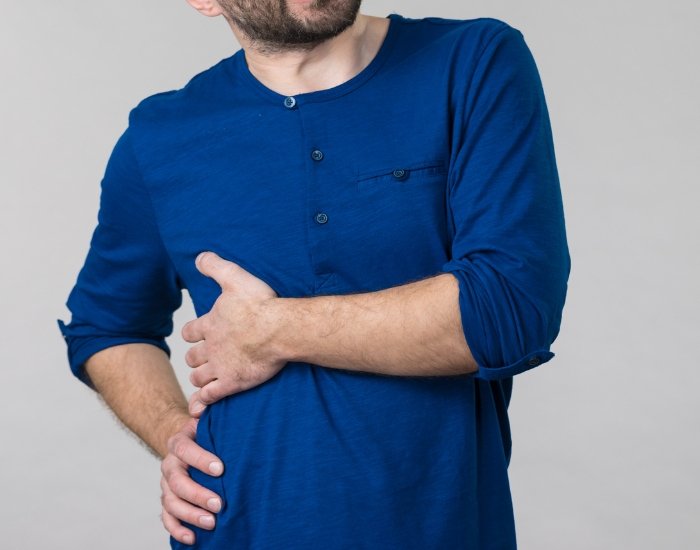
Stroke and heart attack are both medical emergencies caused by problems with blood flow, and they share many of the same risk factors. But they affect different organs, cause different symptoms and are treated differently. Recognizing which one is happening, and calling 911 quickly, can save a life and preserve brain or heart function.
This guide explains how strokes and heart attacks differ, the warning signs of each, what to do in the first minutes, and how the same prevention steps protect against both.
Quick answer
A heart attack happens when blood flow to part of the heart muscle is blocked, usually by a clot on plaque in a coronary artery; a stroke happens when blood flow to part of the brain is blocked (ischemic stroke) or a blood vessel in the brain bleeds (hemorrhagic stroke). Heart attacks typically cause chest pressure, shortness of breath, sweating and pain spreading to the arm, jaw or back. Strokes cause sudden face drooping, arm or leg weakness, speech trouble, vision loss, loss of balance or severe headache. Both need 911 immediately. They share risk factors such as high blood pressure, high cholesterol, diabetes, smoking and atrial fibrillation.
Have symptoms you want checked? Dr. M. Usman Khan sees patients at our Northwest Houston, Tomball and Sugar Land offices.
What patients say about our care team
Read all reviews on Google- ★★★★★
The staff was amazing, very friendly and attentive.
— Stephanie G. Google review - ★★★★★
He explained everything to me!
— Yesenia B. Google review - ★★★★★
Everyone is incredibly supportive and the standard of care is top tier.
— Humzah A. Google review - ★★★★★
It's always good when someone cares, not just comes to work.
— Cecila A. Google review - ★★★★★
I felt like I waited less time and was seen much faster!
— Yesenia B. Google review
- ★★★★★
I am extremely grateful for the support and compassion.
— Debra L. W. Google review - ★★★★★
She always takes great care of me.
— Shemeanna B. Google review - ★★★★★
Her clinical skills were exemplary. I would definitely recommend.
— Humzah A. Google review - ★★★★★
I had a great experience with my appointment today.
— Stephanie G. Google review - ★★★★★
Mrs. Maxine literally listened to my concerns.
— Cecila A. Google review
Important
For both: call 911, do not drive yourself, and note the time symptoms started. Treatments work best in the first hours.
What Are the Key Differences Between a Stroke and a Heart Attack?
The main differences are the organ affected, the symptoms, and the treatment; the causes and prevention overlap heavily.
| Heart attack | Stroke | |
|---|---|---|
| Organ | Heart muscle | Brain |
| Main cause | Clot on coronary plaque | Clot to the brain or bleeding in the brain |
| Typical symptoms | Chest pressure, breathlessness, sweating, nausea | Face droop, weakness, speech or vision trouble, imbalance |
| Key emergency treatment | Opening the artery with a stent or clot-dissolving drugs | Clot-dissolving drugs or clot removal (ischemic); bleeding control (hemorrhagic) |
| Time window | Every minute counts | Every minute counts |
What Are the Warning Signs of a Heart Attack?
Chest pressure, squeezing or pain lasting more than a few minutes or coming back, discomfort in the arm, jaw, neck, back or stomach, shortness of breath, cold sweat, nausea and lightheadedness.
Women, older adults and people with diabetes more often have subtle symptoms such as fatigue, breathlessness or indigestion-like discomfort. Read pre-heart attack warning signs and warning signs in women.
What Are the Warning Signs of a Stroke?
Use BE FAST: Balance loss, Eyes (vision change), Face drooping, Arm weakness, Speech difficulty, Time to call 911; a sudden severe headache can also signal stroke.
Symptoms usually come on suddenly and often affect one side of the body. Even if they go away within minutes (a transient ischemic attack), emergency evaluation is needed. See life after a mini-stroke.
What Causes Each?
Heart attacks are mostly caused by atherosclerosis in the coronary arteries; ischemic strokes by atherosclerosis in neck or brain arteries, clots from the heart (often from atrial fibrillation) or small vessel disease; hemorrhagic strokes mainly by high blood pressure.
Atrial fibrillation is a key link between the heart and stroke: it allows clots to form in the heart that can travel to the brain. Finding and treating AFib with blood thinners prevents many strokes. See atrial fibrillation care.
What Risk Factors Do They Share?
High blood pressure, high LDL cholesterol, diabetes, smoking, obesity, physical inactivity, unhealthy diet, excess alcohol, age and family history raise the risk of both.
High blood pressure is the single biggest modifiable risk factor for stroke and a major one for heart attack. Controlling it, along with cholesterol and diabetes, lowers the risk of both events substantially.
What Should You Do in the First Minutes?
Call 911 immediately, note the time symptoms began, keep the person calm and still, and follow dispatcher instructions; for a suspected heart attack, chewing aspirin may be advised if there is no allergy or bleeding risk, but do not give aspirin for a suspected stroke unless told to.
- Do not drive yourself or the patient; paramedics start treatment on the way.
- Unlock the door and gather medicines if possible.
- If the person collapses and is not breathing normally, start CPR and use an AED.
- Do not give food, drink or medicines to someone with stroke symptoms, as swallowing may be impaired.
When to seek care right away
Call 911 for:
- Chest pressure, pain or discomfort lasting minutes
- Face drooping, arm weakness, speech or vision trouble
- Sudden severe headache or loss of balance
- Collapse or not breathing normally
Call your doctor the same day for:
- Symptoms that came and went
- Palpitations or an AFib alert
- Blood pressure above goal
- Chest discomfort with exertion
How Are They Treated in the Hospital?
Heart attacks are treated by opening the blocked artery, usually with angioplasty and a stent; ischemic strokes with clot-dissolving medicine and, for large blockages, catheter clot removal; hemorrhagic strokes by controlling bleeding and blood pressure.
After either event, long-term treatment focuses on preventing another: antiplatelet or anticoagulant medicines, statins, blood pressure control, rehabilitation and lifestyle changes. See coronary angioplasty and stents and carotid procedures.
How Can You Prevent Both?
Control blood pressure, cholesterol and diabetes, do not smoke, stay active, eat a Mediterranean-style diet, keep a healthy weight, limit alcohol and treat atrial fibrillation.
These steps lower the risk of both a heart attack and a stroke, because both are diseases of the blood vessels. Read how to lower heart disease risk.
What Does Recovery Look Like After Each?
Heart attack recovery centers on cardiac rehabilitation, heart medicines and gradual return to activity; stroke recovery often involves physical, occupational and speech therapy, with the most improvement in the first months.
After a heart attack
Most people go home within a few days after a stent. Cardiac rehabilitation over about 12 weeks rebuilds stamina and lowers the risk of another event. Many return to work within weeks. Medicines such as antiplatelets, statins and beta-blockers are usually long term. See life after a heart attack and cardiac rehabilitation.
After a stroke
Recovery depends on the size and location of the stroke. Rehabilitation focuses on movement, speech, swallowing, memory and daily activities. The brain can rewire itself, and improvement can continue for months or longer. Prevention medicines, often including antiplatelets or anticoagulants and statins, and blood pressure control are central.
Emotional health after either event
Depression and anxiety are common after both heart attacks and strokes and can slow recovery. Tell your care team if low mood, worry or poor sleep persists. Family support and rehab programs help.
How Does a Cardiologist Help With Stroke Prevention?
Cardiologists find and treat heart sources of stroke, such as atrial fibrillation, valve disease and a patent foramen ovale, and manage blood pressure, cholesterol and carotid disease.
After a stroke or TIA, heart rhythm monitoring and an echocardiogram are standard. Treating what is found, for example starting a blood thinner for AFib, prevents many recurrent strokes.
How Is Cardiac Arrest Different From Both?
Cardiac arrest is an electrical problem in which the heart suddenly stops pumping effectively; it causes immediate collapse and needs CPR and an AED, and a heart attack can trigger it.
A heart attack is a circulation problem, a stroke is a brain circulation problem, and cardiac arrest is a sudden electrical failure. Read heart attack vs. cardiac arrest. Learning CPR prepares you for all three emergencies.
Where to See a Cardiologist in Houston
Epic Heart & Vascular Center evaluates heart and vascular symptoms at three Greater Houston offices, with many tests such as ECGs and echocardiograms available on site. Care is led by Dr. M. Usman Khan, MD, FACC.
Also serving Richmond, Spring, Kingwood, Willowbrook and Eldridge patients. Monday to Friday, 8:00 am to 5:00 pm.
Key Takeaways
- A heart attack affects the heart; a stroke affects the brain.
- Heart attack signs include chest pressure, breathlessness and sweating; stroke signs follow BE FAST.
- Both are emergencies: call 911 and note the time symptoms started.
- Atrial fibrillation links the heart and stroke through clots.
- The same prevention steps lower the risk of both.
Frequently Asked Questions
What is the main difference between a stroke and a heart attack?
A heart attack blocks blood flow to the heart; a stroke blocks or bleeds in the brain.
Can you have a stroke and a heart attack at the same time?
Rarely, yes. Clots from a heart attack or atrial fibrillation can travel to the brain.
Which is more dangerous, a stroke or a heart attack?
Both can be life threatening or disabling. Fast treatment improves outcomes for both.
Should I take aspirin for a stroke?
Not unless instructed. Some strokes are caused by bleeding, which aspirin can worsen.
What does BE FAST mean?
Balance, Eyes, Face, Arm, Speech, Time to call 911.
Do stroke and heart attack have the same risk factors?
Largely yes: high blood pressure, cholesterol, diabetes, smoking, inactivity and atrial fibrillation.
Sources and Further Reading
- Centers for Disease Control and Prevention. Stroke Signs and Symptoms.
- Centers for Disease Control and Prevention. Heart Attack Symptoms, Risk, and Recovery.
- National Heart, Lung, and Blood Institute. Heart Attack.
- MedlinePlus. Stroke.
Medical disclaimer: This article is for general education and does not replace a visit with your own doctor. Symptoms, test results and treatment choices differ from person to person.
Please note: Reading this article does not create a doctor–patient relationship. If you think you are having a medical emergency, call 911.

About our cardiology practice
Dr. M. Usman Khan, MD, FACC
Dr. Khan is an interventional and general cardiologist who leads care at Epic Heart & Vascular Center, with offices in Northwest Houston, Tomball and Sugar Land. He completed his cardiovascular fellowship at the University of Virginia and holds fellowships in the American College of Cardiology, the American College of Physicians, the Society for Cardiovascular Angiography and Interventions and the American Society of Nuclear Cardiology.
This guide was written by the Epic Heart & Vascular Center editorial team from the sources listed above. Meet Dr. Khan →
Related Articles
Life After a Mini-Stroke (TIA): What You Need to Know
A mini-stroke (TIA) is a warning sign of a future stroke. Learn what happens next, the heart and artery tests you need,…

What Is the Difference Between a Heart Attack and Cardiac Arrest?
A heart attack is a circulation problem; cardiac arrest is an electrical problem. Learn how the symptoms differ, what to do in…
What Makes a Heart Attack and Cardiac Arrest Different? Causes, Risk and Prevention
A heart attack and cardiac arrest have different causes, risk profiles and prevention strategies. Learn what drives each one, who is at…