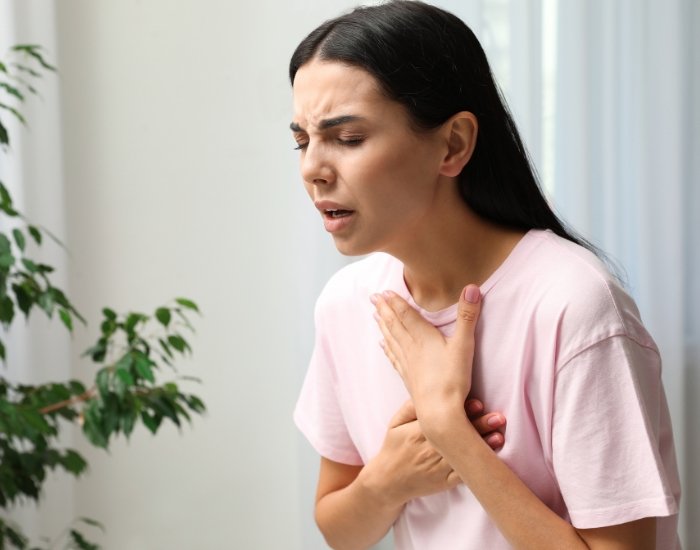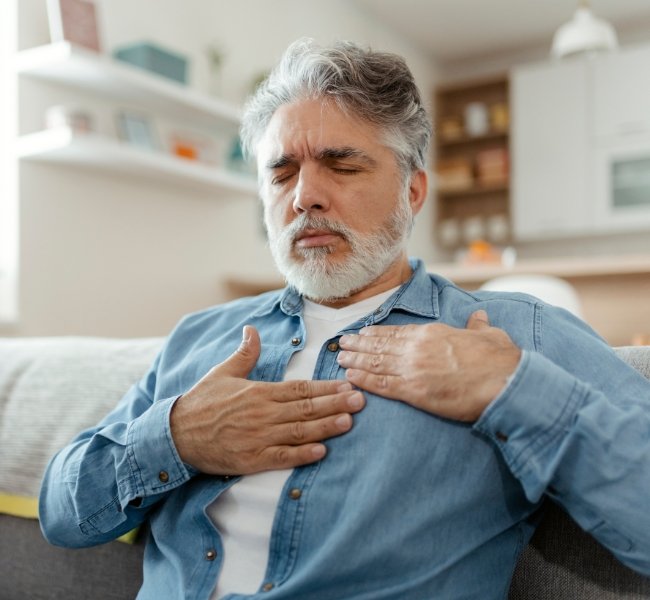
A headache on its own is common, and so is brief chest discomfort. When the two arrive together, though, most people sense that something more is going on, and they are right to pay attention. The combination can come from one shared cause, such as a sudden spike in blood pressure, a panic attack or a viral illness, or from two separate problems happening at once.
Most of the time the cause is treatable and not life-threatening. A few causes, including a hypertensive emergency, a heart attack, a stroke, an aortic dissection and carbon monoxide poisoning, are true emergencies. This guide explains how to tell the difference and what to do next.
Quick answer
Chest pain and headache at the same time are most often caused by very high blood pressure, anxiety or panic attacks, viral infections such as flu or COVID-19, migraine, dehydration or stimulants such as caffeine or decongestants. Call 911 if you have a sudden severe headache, chest pressure, shortness of breath, confusion, weakness or numbness, trouble speaking, vision loss or a blood pressure reading above 180/120 with symptoms. These can signal a hypertensive emergency, heart attack, stroke or aortic dissection.
Have symptoms you want checked? Dr. M. Usman Khan sees patients at our Northwest Houston, Tomball and Sugar Land offices.
What patients say about our care team
Read all reviews on Google- ★★★★★
The staff was amazing, very friendly and attentive.
— Stephanie G. Google review - ★★★★★
He explained everything to me!
— Yesenia B. Google review - ★★★★★
Everyone is incredibly supportive and the standard of care is top tier.
— Humzah A. Google review - ★★★★★
It's always good when someone cares, not just comes to work.
— Cecila A. Google review - ★★★★★
I felt like I waited less time and was seen much faster!
— Yesenia B. Google review
- ★★★★★
I am extremely grateful for the support and compassion.
— Debra L. W. Google review - ★★★★★
She always takes great care of me.
— Shemeanna B. Google review - ★★★★★
Her clinical skills were exemplary. I would definitely recommend.
— Humzah A. Google review - ★★★★★
I had a great experience with my appointment today.
— Stephanie G. Google review - ★★★★★
Mrs. Maxine literally listened to my concerns.
— Cecila A. Google review
Important
If several people in the same home develop headache, chest discomfort, dizziness and nausea at the same time, leave the building and call 911: this can be carbon monoxide poisoning.
Can High Blood Pressure Cause Chest Pain and a Headache?
Yes. A sudden, very high blood pressure can cause a pounding headache, chest pressure, shortness of breath and vision changes, and readings above 180/120 with these symptoms are a hypertensive emergency.
Most people with high blood pressure feel nothing, which is why it is called a silent condition. But when pressure rises sharply, for example after missing medicines, using stimulants or during severe pain or stress, it can strain the heart and the brain at the same time. The heart muscle may not get enough oxygen, causing chest pain, while swelling and pressure in the brain cause a severe headache, confusion or vision changes.
| Reading | What it means | What to do |
|---|---|---|
| Above 180/120 with no symptoms | Severe hypertension | Recheck in 5 minutes; contact your doctor the same day |
| Above 180/120 with chest pain, headache, breathlessness, confusion or vision change | Hypertensive emergency | Call 911 |
| 130–179 / 80–119 with mild headache | Hypertension, not an emergency | Rest, recheck, follow up with your doctor |
Learn more on our high blood pressure treatment page.
Can Anxiety Cause Chest Pain and Headaches?
Yes. Panic attacks and ongoing stress commonly cause chest tightness, a racing heart, tension headaches, breathlessness and tingling.
During a panic attack, adrenaline surges, muscles tense and breathing becomes fast and shallow. This can cause sharp or tight chest pain, a band-like tension headache, dizziness and tingling in the hands or lips. Symptoms usually peak within 10 minutes and fade within half an hour.
Because panic and heart problems can feel alike, a first episode, symptoms with exertion, or symptoms in someone with heart risk factors should be checked medically. Once the heart has been cleared, anxiety is very treatable with therapy, breathing techniques and, when needed, medicine.
What Other Conditions Cause Both Symptoms?
Viral infections, migraine, dehydration, caffeine or stimulant use, anemia, sleep deprivation, medicines such as nitrates, and carbon monoxide exposure can all cause headache with chest discomfort.
- Flu, COVID-19 and other infections: fever, body aches, headache and chest discomfort from coughing or airway inflammation. Rarely, viral infections inflame the heart (myocarditis or pericarditis).
- Migraine: some people feel chest tightness, nausea and anxiety during a migraine; certain migraine medicines (triptans) can also cause chest tightness.
- Dehydration and heat: headache, a fast heartbeat and chest discomfort.
- Stimulants: caffeine, energy drinks, decongestants, diet pills and illicit drugs such as cocaine raise blood pressure and heart rate. Cocaine can cause a heart attack even in young people.
- Nitroglycerin and other nitrates: commonly cause a throbbing headache as a side effect.
- Anemia: low blood count causes headache, fatigue and chest discomfort with effort.
- Carbon monoxide poisoning: headache, dizziness, nausea and chest pain, often affecting several people or pets in one place.
Which Emergencies Can Cause Chest Pain and Headache Together?
Hypertensive emergency, heart attack, stroke, aortic dissection, a ruptured brain aneurysm and carbon monoxide poisoning are the key emergencies to rule out.
- Heart attack: chest pressure spreading to the arm, jaw or back with breathlessness, sweating or nausea. A headache can accompany it, especially with a blood pressure spike.
- Stroke: sudden headache with face drooping, arm weakness, speech trouble or vision loss. Remember BE FAST: balance, eyes, face, arm, speech, time to call 911.
- Aortic dissection: sudden tearing chest or back pain, sometimes with stroke-like symptoms if blood flow to the brain is affected.
- Ruptured brain aneurysm: a thunderclap headache, often described as the worst headache of your life, sometimes with chest pain and an abnormal ECG from the stress response.
Any of these needs emergency care immediately. Do not drive yourself.
When to seek care right away
Call 911 for:
- Sudden, severe headache with chest pain
- Blood pressure above 180/120 with symptoms
- Face drooping, arm weakness, speech or vision problems
- Chest pressure with sweating, nausea or breathlessness
Call your doctor the same day for:
- Recurring headaches with high home readings
- Chest tightness with headaches during stress
- Symptoms after starting a new medicine
- Headache and chest discomfort with fever that is not improving
How Do Doctors Find the Cause?
The evaluation starts with blood pressure in both arms, an ECG, oxygen level and a neurological exam, followed by blood tests and imaging as needed.
- Blood pressure and ECG to look for a hypertensive emergency or heart strain. See ECG testing.
- Troponin and other blood tests for heart damage, anemia, infection and kidney function.
- CT scan of the head for bleeding or stroke.
- CT angiography of the chest if dissection or a lung clot is suspected.
- Carbon monoxide level if exposure is possible.
- Echocardiogram and stress testing later if heart disease is suspected.
How Can You Prevent Recurring Episodes?
Control blood pressure, take medicines consistently, limit caffeine and avoid stimulants, stay hydrated, manage stress and sleep, and install carbon monoxide detectors at home.
- Check your blood pressure at home and keep a log; share it with your doctor.
- Never stop blood pressure medicines suddenly, especially clonidine or beta-blockers.
- Read labels on cold medicines; many decongestants raise blood pressure.
- Keep caffeine moderate and avoid energy drinks.
- Practice daily stress management: walking, breathing exercises, adequate sleep.
- Install carbon monoxide detectors near bedrooms and service fuel-burning appliances yearly.
If episodes keep happening, a cardiology evaluation can check whether blood pressure, heart rhythm or blood flow to the heart is involved.
What Should You Do Right Now if You Have Both Symptoms?
Stop and rest, check your blood pressure if you can, look for stroke and heart attack warning signs, and call 911 if any are present; otherwise contact your doctor the same day.
When chest pain and a headache start together, a calm, step-by-step approach helps you decide quickly and safely.
- Stop what you are doing and sit down somewhere safe.
- Check for emergency signs: face drooping, arm weakness, slurred speech, vision loss, confusion, severe or crushing chest pressure, shortness of breath or fainting. If any are present, call 911.
- Measure your blood pressure if you have a home monitor. If it is above 180/120, rest five minutes and recheck. If it stays that high and you have symptoms, call 911.
- Do not take extra blood pressure pills or someone else’s medicine to bring the number down quickly; dropping pressure too fast can be harmful.
- If you have been prescribed nitroglycerin for angina, use it as directed and call 911 if pain is not better within five minutes.
- Think about exposures: new medicines, decongestants, energy drinks, a running car in a garage or a gas appliance.
- If symptoms are mild and improving, call your doctor the same day and write down what happened, including readings and timing.
Bring that information to your appointment. Patterns, such as headaches every morning with high readings, help your doctor adjust treatment and decide whether heart testing is needed.
Where to See a Cardiologist in Houston
Epic Heart & Vascular Center evaluates heart and vascular symptoms at three Greater Houston offices, with many tests such as ECGs and echocardiograms available on site. Care is led by Dr. M. Usman Khan, MD, FACC.
Also serving Richmond, Spring, Kingwood, Willowbrook and Eldridge patients. Monday to Friday, 8:00 am to 5:00 pm.
Key Takeaways
- Chest pain with headache often comes from high blood pressure, anxiety, infection, migraine or stimulants.
- A reading above 180/120 with symptoms is a hypertensive emergency: call 911.
- Stroke, heart attack, aortic dissection and carbon monoxide poisoning must be ruled out when symptoms are sudden or severe.
- Panic attacks are common and treatable, but first episodes should be checked medically.
- Good blood pressure control is the best prevention.
Frequently Asked Questions
Why do I have a headache and chest pain at the same time?
Common reasons include a spike in blood pressure, anxiety or panic, viral illness, migraine, dehydration and stimulants. Sudden or severe symptoms need emergency evaluation.
Can high blood pressure cause chest pain and headaches?
Yes. Very high blood pressure can cause a pounding headache and chest pressure. Readings above 180/120 with symptoms are an emergency.
Can anxiety cause chest pain and a headache?
Yes. Panic and stress cause chest tightness, tension headaches and a racing heart. A heart check is wise for new or exertional symptoms.
Is chest pain with a headache a sign of stroke?
It can be, especially with sudden severe headache, weakness, numbness, speech or vision problems. Call 911 immediately.
Can COVID or flu cause chest pain and headache?
Yes. Both cause headache and chest discomfort from coughing and inflammation. Rarely they inflame the heart, so severe or persistent chest pain should be checked.
When should I go to the ER?
Go for sudden severe headache, chest pressure, shortness of breath, confusion, weakness, speech or vision changes, or a blood pressure above 180/120 with symptoms.
Sources and Further Reading
- National Heart, Lung, and Blood Institute. High Blood Pressure.
- American Heart Association. Warning Signs of a Heart Attack.
- Centers for Disease Control and Prevention. Stroke Signs and Symptoms.
- Centers for Disease Control and Prevention. Carbon Monoxide Poisoning Basics.
- MedlinePlus. Headache.
Medical disclaimer: This article is for general education and does not replace a visit with your own doctor. Symptoms, test results and treatment choices differ from person to person.
Please note: Reading this article does not create a doctor–patient relationship. If you think you are having a medical emergency, call 911.

About our cardiology practice
Dr. M. Usman Khan, MD, FACC
Dr. Khan is an interventional and general cardiologist who leads care at Epic Heart & Vascular Center, with offices in Northwest Houston, Tomball and Sugar Land. He completed his cardiovascular fellowship at the University of Virginia and holds fellowships in the American College of Cardiology, the American College of Physicians, the Society for Cardiovascular Angiography and Interventions and the American Society of Nuclear Cardiology.
This guide was written by the Epic Heart & Vascular Center editorial team from the sources listed above. Meet Dr. Khan →
Related Articles
Neck Pain and High Blood Pressure: Is There a Connection?
High blood pressure usually causes no symptoms, but very high readings can cause headache and neck stiffness, and neck pain itself can…
What Does the Location of Your Headache Mean? A Guide to Headache Types and Warning Signs
Where your head hurts offers clues about the type of headache, from tension and migraine to sinus and cluster headaches. Learn what…

Is Chest Pain Always a Sign of a Heart Attack? Common Non-Heart Causes
Most chest pain is not a heart attack. Learn the common non-heart causes, from muscle strain and reflux to lung and anxiety-related…