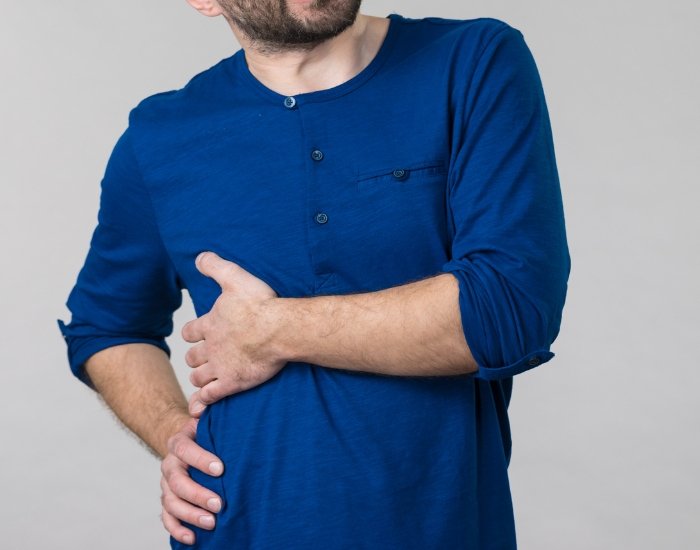
Chest pain triggers immediate worry about the heart, and that instinct is healthy. But most chest pain that brings people to a doctor turns out not to be a heart attack. Muscles, ribs, the esophagus, lungs, nerves and stress responses all live in or near the chest and can produce pain that feels alarming.
Knowing the common non-heart causes can ease anxiety, but it should never replace evaluation when warning signs are present. This guide focuses on the frequent non-cardiac causes of chest pain, how they typically feel, and the features that still mean you should be checked for a heart problem.
Quick answer
No. Chest pain is not always a heart attack; many cases come from muscle or rib cartilage strain (costochondritis), acid reflux, esophageal spasm, lung problems such as pneumonia or pleurisy, anxiety or panic attacks, and shingles. However, heart attacks, aortic dissection and blood clots in the lung can also cause chest pain and are emergencies. Pain that is pressure-like, lasts more than a few minutes, occurs with exertion or at rest, spreads to the arm, jaw or back, or comes with breathlessness, sweating, nausea or fainting should be treated as an emergency until proven otherwise.
Have symptoms you want checked? Dr. M. Usman Khan sees patients at our Northwest Houston, Tomball and Sugar Land offices.
What patients say about our care team
Read all reviews on Google- ★★★★★
The staff was amazing, very friendly and attentive.
— Stephanie G. Google review - ★★★★★
He explained everything to me!
— Yesenia B. Google review - ★★★★★
Everyone is incredibly supportive and the standard of care is top tier.
— Humzah A. Google review - ★★★★★
It's always good when someone cares, not just comes to work.
— Cecila A. Google review - ★★★★★
I felt like I waited less time and was seen much faster!
— Yesenia B. Google review
- ★★★★★
I am extremely grateful for the support and compassion.
— Debra L. W. Google review - ★★★★★
She always takes great care of me.
— Shemeanna B. Google review - ★★★★★
Her clinical skills were exemplary. I would definitely recommend.
— Humzah A. Google review - ★★★★★
I had a great experience with my appointment today.
— Stephanie G. Google review - ★★★★★
Mrs. Maxine literally listened to my concerns.
— Cecila A. Google review
Important
If you are unsure whether chest pain is serious, call 911. Doctors would rather rule out a heart attack than miss one.
How Often Is Chest Pain Not a Heart Attack?
In emergency departments, only a minority of people with chest pain are diagnosed with a heart attack or other acute heart problem; the rest have muscular, digestive, lung or anxiety-related causes.
That does not make chest pain safe to ignore. Testing is what separates the minority with dangerous causes from the majority with benign ones.
What Musculoskeletal Causes Cause Chest Pain?
Costochondritis (inflamed rib cartilage), muscle strain, rib injury and arthritis cause sharp, localized pain that worsens with pressing, twisting, coughing or deep breathing.
This pain is often reproducible: pressing on a specific spot recreates it. It frequently follows heavy lifting, new exercise, coughing fits or minor trauma.
Which Digestive Problems Mimic Heart Pain?
Acid reflux, esophageal spasm, ulcers, gallbladder disease and pancreatitis can cause burning, squeezing or upper abdominal pain that may spread to the chest.
See heart attack vs heartburn.
When to seek care right away
Call 911 for:
- Chest pressure lasting more than a few minutes
- Chest pain with sweating, nausea or breathlessness
- Sudden tearing pain to the back
- Sudden sharp pain with breathlessness
Call your doctor the same day for:
- Chest discomfort with exertion
- Recurring chest pain without a diagnosis
- Chest pain with fever and cough
- Chest pain with multiple heart risk factors
Which Lung Conditions Cause Chest Pain?
Pneumonia, pleurisy, collapsed lung (pneumothorax), asthma and pulmonary embolism cause chest pain, often sharp and worse with breathing.
| Condition | Clues | Urgency |
|---|---|---|
| Pleurisy | Sharp pain with each breath | See a doctor |
| Pneumonia | Fever, cough, breathlessness | Prompt care |
| Pneumothorax | Sudden sharp pain, breathlessness | Emergency |
| Pulmonary embolism | Sudden breathlessness, sharp pain, leg swelling, fast heart rate | Emergency |
See chest pain when breathing deeply.
Can Anxiety or Panic Attacks Cause Chest Pain?
Yes. Panic attacks can cause chest tightness, racing heart, breathlessness, tingling and fear, peaking within minutes; they are real and treatable, but heart causes should be ruled out first, especially with risk factors.
Repeated episodes with normal heart testing point to panic disorder, which responds well to therapy and sometimes medicine.
What Other Causes Should You Know About?
Shingles before the rash appears, pericarditis, myocarditis, aortic dissection, sickle cell crises and cocaine or stimulant use.
Shingles pain is burning and band-like on one side, followed days later by a blistering rash. Pericarditis causes sharp pain eased by leaning forward.
What Features Still Point to the Heart?
Pressure or heaviness, onset with exertion, pain lasting minutes, spread to the arm, jaw, neck or back, and accompanying breathlessness, sweating, nausea or lightheadedness.
Risk factors such as age, diabetes, smoking, high blood pressure, high cholesterol and family history increase the likelihood. See what to do when chest pain catches your attention and chest pain evaluation.
How Do Doctors Rule Out a Heart Cause?
An ECG, troponin blood tests, a chest X-ray and, when needed, stress testing, coronary CT angiography, echocardiography or CT scans for pulmonary embolism or aortic dissection.
High-sensitivity troponin tests repeated over one to three hours can rule out a heart attack in many patients quickly. If the heart is cleared, your doctor can focus on the true cause, such as reflux, muscle strain or anxiety, and treat it directly.
Treating common non-heart chest pain
- Costochondritis or strain: rest, heat or ice and short-term anti-inflammatory medicine if safe for you.
- Reflux: smaller meals, no late eating, weight loss and acid-reducing medicine.
- Pleurisy or pneumonia: treat the infection or inflammation.
- Panic attacks: cognitive behavioral therapy and, if needed, medicine.
- Shingles: antiviral medicine started early.
Does the Location of Chest Pain Help Identify the Cause?
Location gives clues but is not reliable: central pressure suggests the heart or esophagus, a pinpoint spot suggests muscle or cartilage, pain on one side with breathing suggests the lung lining, and band-like pain on one side suggests shingles.
| Location and pattern | Possible causes |
|---|---|
| Center of chest, pressure, spreading | Heart, esophagus |
| Left or right side, sharp with breathing | Pleurisy, pneumonia, pulmonary embolism |
| Pinpoint, tender to touch | Costochondritis, muscle strain |
| Upper abdomen rising to chest | Reflux, ulcer, gallbladder |
| Band-like on one side | Shingles |
| Tearing, radiating to the back | Aortic dissection |
Heart pain does not always sit on the left side; it is often central and can be felt mainly in the arm, jaw or back.
Chest pain in younger adults and athletes
Muscle strain and costochondritis are especially common in young, active people. However, chest pain or fainting during exercise in a young person can signal hypertrophic cardiomyopathy, a coronary artery anomaly or myocarditis and should be evaluated before returning to sport.
What if Chest Pain Keeps Coming Back?
Recurring chest pain without a clear diagnosis deserves a structured evaluation; a cardiologist can rule heart causes in or out, and if the heart is normal, a gastroenterologist or other specialist can look further.
Keep a symptom diary noting timing, triggers, duration and relief to speed the diagnosis.
Which Non-Heart Causes Are Still Emergencies?
Pulmonary embolism, collapsed lung, aortic dissection, a tear in the esophagus after severe vomiting, and severe pancreatitis are emergencies even though they are not heart attacks.
Sudden severe breathlessness, tearing pain, pain after forceful vomiting, coughing blood, a rapid heartbeat with leg swelling, or chest pain after a long flight or surgery should prompt a 911 call. These conditions need imaging and treatment within hours.
Risk factors for a blood clot in the lung
Recent surgery or hospitalization, long travel, cancer, pregnancy or recent childbirth, estrogen-containing medicines, prior clots and immobility raise the risk of pulmonary embolism. Leg swelling or pain in one calf is an important warning sign.
Why Is a Heart Check Worthwhile Even if Pain Seems Minor?
A normal ECG, troponin and, when indicated, a stress test give peace of mind and let you treat the true cause with confidence; for people with risk factors, the evaluation may also uncover silent heart disease worth preventing.
Ask your doctor whether your chest pain has been evaluated enough to rule out the heart, and what symptoms should bring you back.
Are Women and People With Diabetes Different?
Yes. They more often have heart attacks without classic chest pain, so a lower threshold for testing makes sense when symptoms are new or unexplained.
Where to See a Cardiologist in Houston
Epic Heart & Vascular Center evaluates heart and vascular symptoms at three Greater Houston offices, with many tests such as ECGs and echocardiograms available on site. Care is led by Dr. M. Usman Khan, MD, FACC.
Also serving Richmond, Spring, Kingwood, Willowbrook and Eldridge patients. Monday to Friday, 8:00 am to 5:00 pm.
Key Takeaways
- Most chest pain is not a heart attack.
- Muscle, rib, reflux, lung and anxiety causes are common.
- Pain reproducible by pressing is less likely cardiac.
- Pressure, exertional pain and accompanying symptoms still point to the heart.
- When unsure, call 911.
Frequently Asked Questions
Can chest pain be something other than the heart?
Yes. Muscles, ribs, reflux, lungs, nerves and anxiety commonly cause chest pain.
How do I know if chest pain is muscular?
It is often sharp, localized and worse with pressing, twisting or deep breaths.
Can stress cause chest pain?
Yes, through muscle tension and panic attacks, but rule out heart causes first.
What is costochondritis?
Inflammation of rib cartilage that causes sharp, tender chest pain.
Is left-sided chest pain always the heart?
No. Many non-cardiac causes occur on the left side.
Should I go to the ER if I think it is anxiety?
If you are unsure or have risk factors, yes.
Sources and Further Reading
Medical disclaimer: This article is for general education and does not replace a visit with your own doctor. Symptoms, test results and treatment choices differ from person to person.
Please note: Reading this article does not create a doctor–patient relationship. If you think you are having a medical emergency, call 911.

About our cardiology practice
Dr. M. Usman Khan, MD, FACC
Dr. Khan is an interventional and general cardiologist who leads care at Epic Heart & Vascular Center, with offices in Northwest Houston, Tomball and Sugar Land. He completed his cardiovascular fellowship at the University of Virginia and holds fellowships in the American College of Cardiology, the American College of Physicians, the Society for Cardiovascular Angiography and Interventions and the American Society of Nuclear Cardiology.
This guide was written by the Epic Heart & Vascular Center editorial team from the sources listed above. Meet Dr. Khan →
Related Articles

When Chest Pain Catches Your Attention: What to Do Next
Chest pain can be harmless or life-threatening. This practical guide explains how to tell emergency chest pain from urgent and non-urgent pain,…
Heart Attack vs Heartburn: Here’s How to Tell Them Apart
Heartburn and heart attack can both cause burning chest discomfort. Learn the differences in triggers, timing and accompanying symptoms, the red flags…
Why Does My Chest Hurt When I Breathe Deeply? Causes and When to Worry
Chest pain with deep breathing (pleuritic pain) is often from pleurisy, muscle strain, costochondritis or pericarditis, but can also signal pneumonia, a…