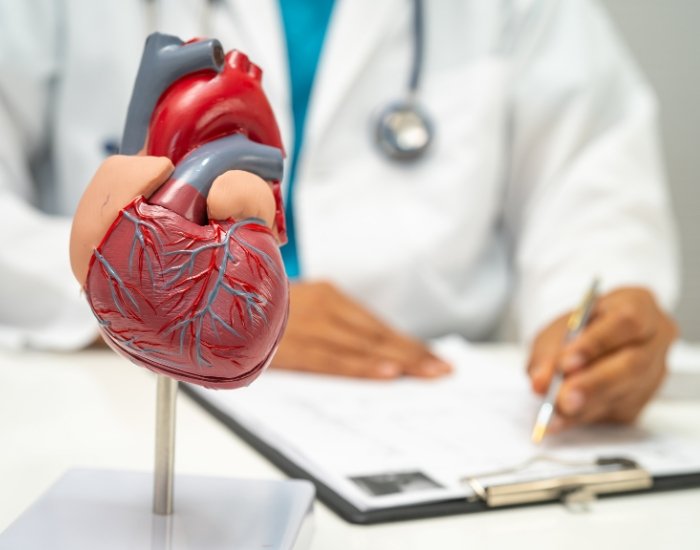
Your primary care doctor handles many heart-related issues well, from routine blood pressure checks to cholesterol management. But there are times when a cardiologist’s training, testing and treatment options make a real difference, both in finding problems early and in preventing heart attacks, strokes and heart failure.
Knowing when to make that call is not always obvious. Some symptoms are dramatic; others are subtle and easy to explain away. This guide lists 12 clear signs that it is time to see a cardiologist, explains how urgent each one is, and describes what happens at a first visit.
Quick answer
See a cardiologist if you have chest pain or pressure with exertion, shortness of breath, palpitations or an irregular heartbeat, fainting or near fainting, leg swelling, leg pain with walking, high blood pressure that will not come down, high cholesterol or familial hypercholesterolemia, diabetes with other risk factors, a strong family history of early heart disease, an abnormal ECG, echo or calcium score, or before certain surgeries when you have heart risks. Call 911 for chest pain at rest, severe breathlessness, fainting or stroke symptoms.
Have symptoms you want checked? Dr. M. Usman Khan sees patients at our Northwest Houston, Tomball and Sugar Land offices.
What patients say about our care team
Read all reviews on Google- ★★★★★
The staff was amazing, very friendly and attentive.
— Stephanie G. Google review - ★★★★★
He explained everything to me!
— Yesenia B. Google review - ★★★★★
Everyone is incredibly supportive and the standard of care is top tier.
— Humzah A. Google review - ★★★★★
It's always good when someone cares, not just comes to work.
— Cecila A. Google review - ★★★★★
I felt like I waited less time and was seen much faster!
— Yesenia B. Google review
- ★★★★★
I am extremely grateful for the support and compassion.
— Debra L. W. Google review - ★★★★★
She always takes great care of me.
— Shemeanna B. Google review - ★★★★★
Her clinical skills were exemplary. I would definitely recommend.
— Humzah A. Google review - ★★★★★
I had a great experience with my appointment today.
— Stephanie G. Google review - ★★★★★
Mrs. Maxine literally listened to my concerns.
— Cecila A. Google review
Important
This list is for planned visits. Sudden chest pain, severe shortness of breath, fainting or stroke symptoms need 911, not an appointment.
What Are the 12 Signs You Should See a Cardiologist?
The 12 signs are chest discomfort, breathlessness, palpitations, fainting, swelling, leg pain with walking, uncontrolled blood pressure, high cholesterol, diabetes with risk factors, family history, abnormal tests and pre-surgery evaluation when at risk.
1. Chest pain, pressure or tightness
Especially with exertion, stress or cold, or spreading to the arm, jaw or back. See is chest pain always a heart attack.
2. Shortness of breath
New breathlessness with less activity than before, or when lying flat.
3. Palpitations or an irregular heartbeat
Racing, fluttering or irregular beats that recur, or a smartwatch AFib alert. See palpitations.
4. Fainting or near fainting
Particularly during exercise or without warning. See fainting.
5. Swelling in the legs, ankles or abdomen
Possible sign of heart failure or venous disease.
6. Leg pain or cramping with walking
A classic sign of peripheral artery disease.
7. High blood pressure that stays above goal
Despite two or three medicines. See high blood pressure treatment.
8. High cholesterol or suspected familial hypercholesterolemia
LDL of 190 or higher, or high lipoprotein(a).
9. Diabetes with other risk factors
Diabetes greatly raises heart risk, and heart symptoms may be subtle.
10. Family history of early heart disease or sudden death
Heart attack before 55 in a male relative or 65 in a female relative, or unexplained sudden death.
11. Abnormal heart test results
An abnormal ECG, echocardiogram, stress test or a high coronary calcium score.
12. Pre-surgery evaluation
When you have heart disease or significant risk factors before major surgery.
How Urgent Is Each Sign?
Chest pain at rest, fainting and severe breathlessness need emergency care; exertional symptoms and new palpitations need a visit within days; risk factors and abnormal screening tests can be scheduled within weeks.
| Situation | Recommended timing |
|---|---|
| Chest pain at rest, fainting, severe breathlessness, stroke signs | Call 911 |
| Chest discomfort with exertion, new irregular heartbeat | Within days |
| New swelling or worsening breathlessness | Within days |
| Uncontrolled blood pressure, abnormal ECG or echo | Within 1–2 weeks |
| High cholesterol, family history, diabetes with risk factors | Within weeks |
| Pre-surgery evaluation | Before the surgery date |
When to seek care right away
Call 911 for:
- Chest pain or pressure at rest
- Severe shortness of breath
- Fainting
- Stroke symptoms: face droop, weakness, speech trouble
Call your doctor the same day for:
- Chest discomfort with exertion
- New palpitations or an AFib alert
- New leg swelling or breathlessness
- Blood pressure above goal on medicines
What Does a Cardiologist Do That a Primary Care Doctor Does Not?
Cardiologists interpret and perform specialized heart tests, manage complex heart conditions and perform procedures such as catheterization, stenting and device implantation.
Cardiologists work closely with primary care doctors. Many patients alternate visits, with the cardiologist focused on heart-specific testing and treatment and the primary care doctor managing overall health. Subspecialists include interventional cardiologists, electrophysiologists, heart failure specialists and imaging cardiologists.
What Happens at Your First Cardiology Visit?
You will review your symptoms, history and medicines, have a physical exam and usually an ECG, and leave with a plan that may include tests, medicine changes and follow-up.
- Bring your medicines, home blood pressure log and prior test results.
- Expect an ECG and possibly blood work at the first visit.
- Tests such as an echocardiogram, stress test or heart monitor may be scheduled.
- Ask about your goals for blood pressure and cholesterol.
Should You See a Cardiologist for Prevention?
Yes, if you have multiple risk factors, a strong family history or borderline numbers; a cardiologist can estimate your risk precisely and recommend tests such as a coronary calcium scan.
Prevention visits focus on lowering risk before symptoms start. A coronary calcium scan can show whether plaque is present and help decide on statin therapy. Read how to lower the risk of heart disease.
Do Women Need to Watch for Different Signs?
Women more often have subtle symptoms such as fatigue, breathlessness, nausea, back or jaw discomfort, and conditions like microvascular disease; pregnancy complications such as preeclampsia also raise future heart risk.
Women with a history of preeclampsia, gestational diabetes or early menopause should share this with their doctors. Read early warning signs of heart disease in women.
Which Tests Might a Cardiologist Order?
Common tests include an ECG, echocardiogram, stress test, Holter or event monitor, coronary calcium scan, CT angiography, vascular ultrasound and, when needed, cardiac catheterization.
| Test | What it shows |
|---|---|
| ECG | Rhythm, signs of heart attack or strain |
| Echocardiogram | Heart muscle, valves, pumping strength |
| Stress test or nuclear stress test | Blood flow with exertion |
| Holter or event monitor | Rhythm over days to weeks |
| Coronary calcium scan | Calcified plaque in heart arteries |
| Carotid or leg artery ultrasound | Narrowing outside the heart |
| Cardiac catheterization | Direct view of coronary arteries, with treatment if needed |
Not everyone needs every test. A good cardiologist chooses tests that answer your specific questions and explains how the results will change your care. Many of these tests are available at our offices.
What Can You Do Before and Between Cardiology Visits?
Track blood pressure and symptoms, take medicines consistently, stay active, eat well, avoid tobacco and keep a list of questions for your next visit.
Small habits make visits more productive: a week of home blood pressure readings, a symptom diary with dates and triggers, and an updated medicine list. Bring them every time.
At What Age Should You Start Thinking About Heart Health?
Heart health matters at every age; most adults should know their blood pressure and cholesterol by their 20s and 30s, and people with risk factors or family history benefit from earlier, more detailed assessment.
Plaque begins forming in early adulthood, long before symptoms. Routine checks of blood pressure, cholesterol, blood sugar and weight with your primary care doctor are the foundation. A cardiologist becomes valuable earlier if you have a strong family history, very high cholesterol, early high blood pressure, or a pregnancy complication such as preeclampsia. From around age 40, many people benefit from a formal 10-year risk estimate, and some from a coronary calcium scan to refine decisions about statins. Starting prevention early is far easier than treating disease later.
Where to See a Cardiologist in Houston
Epic Heart & Vascular Center evaluates heart and vascular symptoms at three Greater Houston offices, with many tests such as ECGs and echocardiograms available on site. Care is led by Dr. M. Usman Khan, MD, FACC.
Also serving Richmond, Spring, Kingwood, Willowbrook and Eldridge patients. Monday to Friday, 8:00 am to 5:00 pm.
Key Takeaways
- Chest discomfort, breathlessness, palpitations, fainting and swelling are key reasons to see a cardiologist.
- Uncontrolled blood pressure, high cholesterol, diabetes and family history also warrant evaluation.
- Abnormal ECG, echo or calcium scan results should be reviewed by a cardiologist.
- Emergency symptoms need 911, not an appointment.
- Women may have subtler symptoms and pregnancy-related risk factors.
Frequently Asked Questions
When should I see a cardiologist?
For chest discomfort, breathlessness, palpitations, fainting, swelling, uncontrolled blood pressure, high cholesterol, family history of early heart disease or abnormal heart tests.
Do I need a referral to see a cardiologist?
Depends on your insurance. HMO, Medicaid and many Medicare Advantage plans usually require one.
What does a cardiologist check at the first visit?
Symptoms, history, medicines, an exam and usually an ECG, followed by a plan for any tests.
Should I see a cardiologist if heart disease runs in my family?
Yes, especially if relatives had heart attacks or sudden death at a young age.
Can a cardiologist help with high blood pressure?
Yes, particularly when it is hard to control or affects the heart.
Is shortness of breath a reason to see a cardiologist?
Yes, if it is new, worsening, or occurs with less activity or when lying flat.
Sources and Further Reading
- Centers for Disease Control and Prevention. Heart Disease Risk Factors.
- National Heart, Lung, and Blood Institute. Coronary Heart Disease.
- American Heart Association. Warning Signs of a Heart Attack.
Medical disclaimer: This article is for general education and does not replace a visit with your own doctor. Symptoms, test results and treatment choices differ from person to person.
Please note: Reading this article does not create a doctor–patient relationship. If you think you are having a medical emergency, call 911.
About our cardiology practice
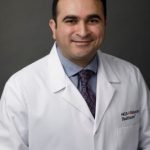
Dr. M. Usman Khan, MD, FACC
Dr. Khan is an interventional and general cardiologist who leads care at Epic Heart & Vascular Center, with offices in Northwest Houston, Tomball and Sugar Land. He completed his cardiovascular fellowship at the University of Virginia and holds fellowships in the American College of Cardiology, the American College of Physicians, the Society for Cardiovascular Angiography and Interventions and the American Society of Nuclear Cardiology.
This guide was written by the Epic Heart & Vascular Center editorial team from the sources listed above. Meet Dr. Khan →
Related Articles

How to Find the Best Cardiologist Near You for High Blood Pressure and Heart Problems
Choosing a cardiologist matters. Learn when you need one for high blood pressure or heart symptoms, what credentials and services to look…

Top 10 Pre-Heart Attack Warning Signs to Look Out For
Many heart attacks are preceded by warning signs days or weeks earlier, such as chest discomfort with exertion, unusual fatigue and breathlessness.…

What Are the Early Warning Signs of Heart Disease in Women?
Heart disease is the leading cause of death in women, yet its early signs are often subtle: fatigue, breathlessness, sleep problems, nausea…