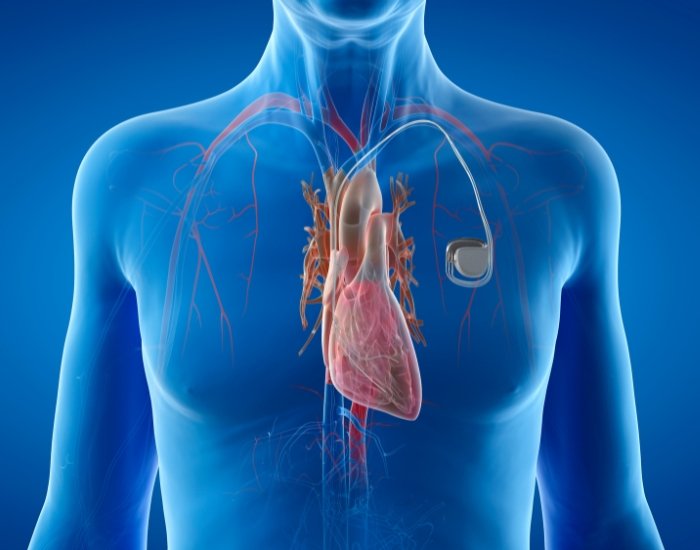
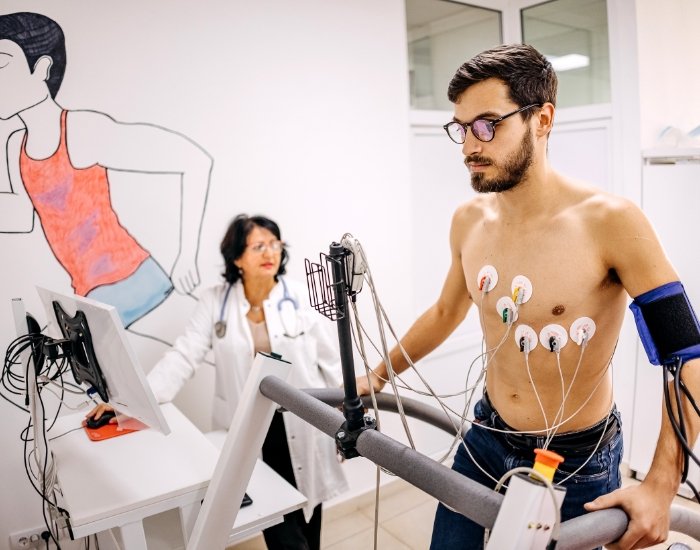
Heart disease becomes more common with every decade of life. Arteries and heart muscle stiffen, valves thicken and calcify, and the electrical system changes. Three conditions stand out because they rise steeply after age 65: aortic stenosis, atrial fibrillation and heart failure.
These conditions are often missed because their early symptoms, such as tiredness, breathlessness and slowing down, are easy to blame on age. Yet all three are highly treatable today, often with less invasive options than in the past. This guide explains each, the symptoms to watch for and what treatment looks like.
Quick answer
The three cardiovascular diseases that mainly affect older adults are aortic stenosis (narrowing of the aortic valve), atrial fibrillation (an irregular heart rhythm that raises stroke risk) and heart failure (a heart that cannot pump or fill well enough). Warning signs include breathlessness with activity, fatigue, chest pressure, dizziness or fainting, palpitations, and swelling in the legs. An echocardiogram and ECG diagnose all three. Treatments include TAVR or surgical valve replacement, blood thinners and rhythm control for AFib, and guideline-directed medicines and devices for heart failure.
Have symptoms you want checked? Dr. M. Usman Khan sees patients at our Northwest Houston, Tomball and Sugar Land offices.
What patients say about our care team
Read all reviews on Google- ★★★★★
The staff was amazing, very friendly and attentive.
— Stephanie G. Google review - ★★★★★
He explained everything to me!
— Yesenia B. Google review - ★★★★★
Everyone is incredibly supportive and the standard of care is top tier.
— Humzah A. Google review - ★★★★★
It's always good when someone cares, not just comes to work.
— Cecila A. Google review - ★★★★★
I felt like I waited less time and was seen much faster!
— Yesenia B. Google review
- ★★★★★
I am extremely grateful for the support and compassion.
— Debra L. W. Google review - ★★★★★
She always takes great care of me.
— Shemeanna B. Google review - ★★★★★
Her clinical skills were exemplary. I would definitely recommend.
— Humzah A. Google review - ★★★★★
I had a great experience with my appointment today.
— Stephanie G. Google review - ★★★★★
Mrs. Maxine literally listened to my concerns.
— Cecila A. Google review
Important
Fainting, chest pain, severe breathlessness or stroke symptoms need 911 at any age.
Why Does Heart Disease Increase With Age?
Years of exposure to blood pressure, cholesterol and other risk factors, along with natural stiffening of the heart and arteries, valve calcification and changes in the electrical system, raise risk.
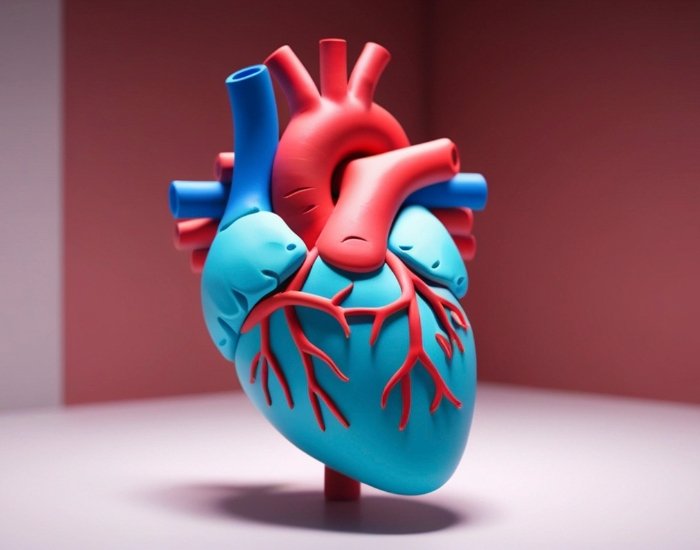
Many older adults also have diabetes, kidney disease or lung disease, which add to the strain. See how the heart works.
What Is Aortic Stenosis?
Aortic stenosis is narrowing of the aortic valve, usually from calcium buildup, which forces the heart to work harder and eventually causes breathlessness, chest pain, dizziness or fainting.
Once symptoms appear, severe aortic stenosis progresses quickly without treatment. Transcatheter aortic valve replacement (TAVR), done through an artery in the leg, has made treatment possible for many older adults who would not tolerate open surgery. A heart murmur is often the first clue; an echocardiogram confirms it.
Why Is Atrial Fibrillation So Common in Older Adults?
Aging, high blood pressure and stretching of the upper heart chambers make AFib much more common after 65; it raises stroke risk about fivefold.
Symptoms include palpitations, fatigue, breathlessness and dizziness, but many older adults have none. Blood thinners prevent most AFib-related strokes. See how AFib is diagnosed and treated.
How Does Heart Failure Affect Older Adults?
Heart failure, especially with preserved ejection fraction, is a leading cause of hospitalization in people over 65; it causes breathlessness, fatigue, swelling and reduced activity.
Treatment includes SGLT2 inhibitors, diuretics, control of blood pressure and AFib, and, for reduced ejection fraction, the four foundational medicines and devices. See early signs of heart failure and heart failure guidelines.
How Do the Three Conditions Compare?
All three cause breathlessness and fatigue; aortic stenosis often adds a murmur and exertional dizziness, AFib adds an irregular pulse, and heart failure adds swelling and weight gain.
| Aortic stenosis | Atrial fibrillation | Heart failure | |
|---|---|---|---|
| Key sign | Murmur, exertional symptoms | Irregular pulse | Swelling, breathlessness |
| Main test | Echocardiogram | ECG, monitor | Echocardiogram, BNP |
| Key risk | Sudden death, heart failure | Stroke | Hospitalization |
| Main treatment | TAVR or surgery | Blood thinners, rate/rhythm control | Medicines, devices |
Which Symptoms Should Older Adults Not Dismiss?
New or worsening breathlessness, fatigue, chest pressure, dizziness, fainting, palpitations, swelling, needing more pillows to sleep and reduced ability to do usual activities.
Falls can also signal a heart rhythm problem or low blood pressure. Family members often notice slowing down first.
When to seek care right away
Call 911 for:
- Fainting
- Chest pain
- Severe breathlessness
- Face drooping, arm weakness or speech trouble
Call your doctor the same day for:
- Breathlessness with mild activity
- New heart murmur
- Irregular pulse
- Leg swelling or rapid weight gain
How Can Older Adults Protect Their Heart?
Stay active, control blood pressure and cholesterol, review medicines regularly, stay current on vaccinations, eat a heart-healthy diet, keep socially engaged and get symptoms checked early.
Age alone is rarely a reason to avoid treatment; decisions should reflect overall health and personal goals. See heart disease prevention.
What About Coronary Artery Disease in Older Adults?
Coronary artery disease is also very common in older adults, and symptoms are often atypical, such as breathlessness, fatigue or confusion rather than chest pain.
Statins, aspirin when appropriate, blood pressure control and cardiac rehabilitation remain effective in older age. Stents and bypass are considered based on symptoms, anatomy and overall health rather than age alone. See symptoms of blocked heart arteries.
Medicine safety in older adults
Older adults often take several medicines, which increases the risk of dizziness, falls, kidney problems and interactions. A yearly review with your cardiologist or pharmacist helps remove unnecessary drugs, adjust doses for kidney function and avoid combinations that lower blood pressure too much. Bring every medicine and supplement, including over-the-counter products, to the review.
What Should Older Adults Know About TAVR?
TAVR replaces a narrowed aortic valve using a catheter, usually through the groin, with most patients going home within one to two days and returning to normal activity within a week or two.
- Evaluation: echocardiogram, CT scan and assessment by a heart team.
- Procedure: a collapsible valve is placed inside the old one.
- Recovery: much faster than open-heart surgery.
- Risks: stroke, bleeding, need for a pacemaker and valve leakage, which are uncommon.
- After: regular echocardiograms to monitor the new valve.
Frailty and shared decision-making
For older adults, treatment decisions consider frailty, memory, mobility, other illnesses and personal goals, not just age. A frank conversation with your cardiologist and family about what matters most, whether that is living longer, staying independent or avoiding hospital stays, helps choose the right path.
What Are the Signs of Stroke Older Adults Should Know?
Use BE FAST: balance loss, eyes (vision loss), face drooping, arm weakness, speech difficulty, time to call 911.
Is Exercise Safe for Older Adults With Heart Disease?
Yes, for most. Regular walking, light resistance training and balance exercises improve heart function, strength, mood and independence; cardiac rehabilitation provides a supervised start.
- Aim for about 150 minutes of moderate activity a week, built up gradually.
- Include strength exercises twice a week and balance work to prevent falls.
- Warm up and cool down; avoid exercising in extreme heat.
- Stop and seek help for chest pain, severe breathlessness or dizziness.
How Can Caregivers Help?
Caregivers can help track weights and blood pressure, organize medicines, notice changes in breathing or energy, attend appointments and know the emergency warning signs.
How Should Blood Pressure Be Managed in Older Adults?
Most older adults benefit from blood pressure control toward below 130/80 when tolerated, with care to avoid dizziness and falls from pressure dropping too low on standing.
Home monitoring, checking standing blood pressure and starting medicines at low doses help strike the right balance. See what causes blood pressure to drop.
How Often Should Older Adults Have Heart Checkups?
At least yearly with a primary care clinician, and with a cardiologist as advised for murmurs, AFib, heart failure or symptoms.
What Is the Outlook for Older Adults With These Conditions?
With timely diagnosis and modern treatment, many older adults with aortic stenosis, AFib or heart failure regain energy, stay independent and live longer.
Where to See a Cardiologist in Houston
Epic Heart & Vascular Center evaluates heart and vascular symptoms at three Greater Houston offices, with many tests such as ECGs and echocardiograms available on site. Care is led by Dr. M. Usman Khan, MD, FACC.
Also serving Richmond, Spring, Kingwood, Willowbrook and Eldridge patients. Monday to Friday, 8:00 am to 5:00 pm.
Key Takeaways
- Aortic stenosis, AFib and heart failure rise steeply after 65.
- Early symptoms are often mistaken for normal aging.
- An echocardiogram and ECG diagnose all three.
- TAVR, blood thinners, ablation and modern heart failure medicines are effective.
- Age alone should not rule out treatment.
Frequently Asked Questions
What heart diseases are most common in the elderly?
Aortic stenosis, atrial fibrillation, heart failure and coronary artery disease.
What are signs of aortic stenosis?
Breathlessness, chest pain, dizziness or fainting with exertion, and a heart murmur.
Is TAVR safe for older adults?
TAVR is widely used in older adults and avoids open-heart surgery.
Can AFib cause a stroke in older people?
Yes. AFib raises stroke risk, and blood thinners lower it.
Is heart failure a normal part of aging?
No. It is a treatable disease, not normal aging.
How often should older adults see a cardiologist?
When they have symptoms, a murmur, AFib, heart failure or significant risk factors.
Sources and Further Reading
- National Heart, Lung, and Blood Institute. Heart Valve Diseases.
- National Heart, Lung, and Blood Institute. Atrial Fibrillation.
- National Heart, Lung, and Blood Institute. Heart Failure.
- National Institute on Aging. Heart Health and Aging.
Medical disclaimer: This article is for general education and does not replace a visit with your own doctor. Symptoms, test results and treatment choices differ from person to person.
Please note: Reading this article does not create a doctor–patient relationship. If you think you are having a medical emergency, call 911.

About our cardiology practice
Dr. M. Usman Khan, MD, FACC
Dr. Khan is an interventional and general cardiologist who leads care at Epic Heart & Vascular Center, with offices in Northwest Houston, Tomball and Sugar Land. He completed his cardiovascular fellowship at the University of Virginia and holds fellowships in the American College of Cardiology, the American College of Physicians, the Society for Cardiovascular Angiography and Interventions and the American Society of Nuclear Cardiology.
This guide was written by the Epic Heart & Vascular Center editorial team from the sources listed above. Meet Dr. Khan →
Related Articles
How Is Atrial Fibrillation Diagnosed and Treated?
Atrial fibrillation is diagnosed with an ECG or heart monitor and treated with a combination of stroke prevention, rate or rhythm control…
Heart Failure Guidelines: What the Latest Recommendations Mean for Patients
Current heart failure guidelines describe stages A to D, four foundational medicines for reduced ejection fraction, SGLT2 inhibitors for most types, devices…
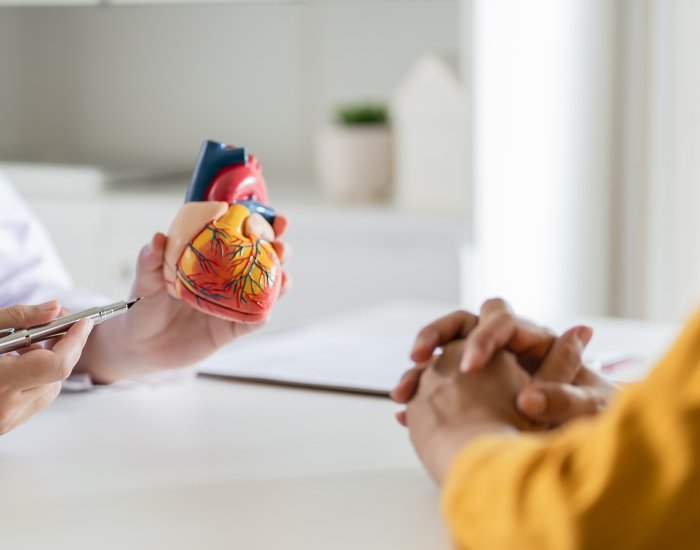
What Are the Purpose and Functions of the Heart? A Cardiologist’s Guide
The heart pumps about 2,000 gallons of blood a day through two circuits, controlled by its own electrical system and four valves.…