
Premature heartbeats are more common than most people realize. Many individuals describe them as a sudden flutter, skipped beat, or brief pause in the chest. These sensations are often related to what doctors call a pac of heart, medically known as premature atrial contractions. In simple terms, this is when the heart produces an early beat before its normal rhythm.
Understanding the pac medical term is important because it helps distinguish harmless rhythm changes from more serious heart conditions. While occasional episodes of pac premature atrial contraction are usually benign, frequent occurrences may require medical evaluation.
Notes:
In this blog, you will learn what pac of heart means, how pac premature atrial contraction affects heart function, the causes of heart rhythm PAC, and when PAC dysrhythmia may require medical attention.
Table of Contents
- What Is PAC of the Heart?
- Understanding Heart Rhythm PAC
- Symptoms of PAC Premature Atrial Contraction
- Causes of PAC of Heart
- Is PAC Dysrhythmia Serious?
- PAC vs Other Heart Rhythm Disorders
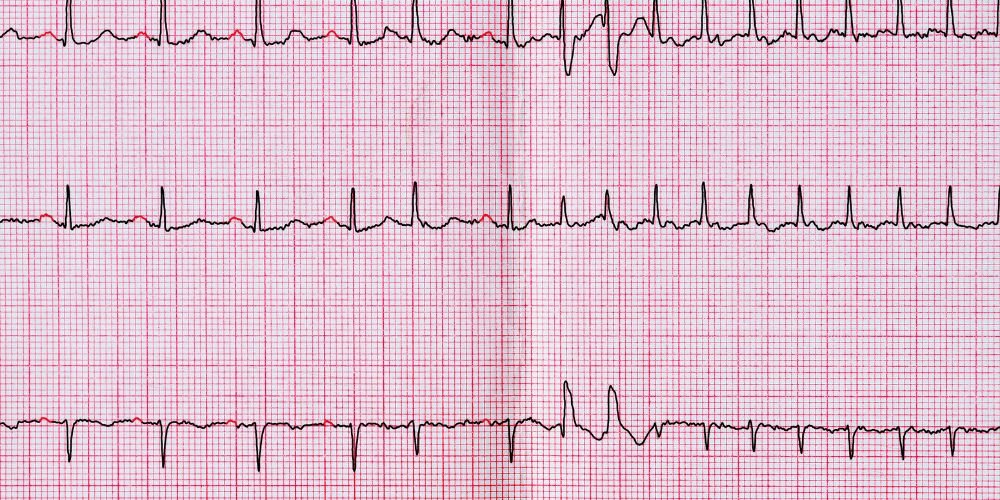
- How PAC Medical Term Is Diagnosed
- Treatment and Management
- Frequently Asked Questions
- Schedule a Heart Evaluation
What Is PAC of the Heart?
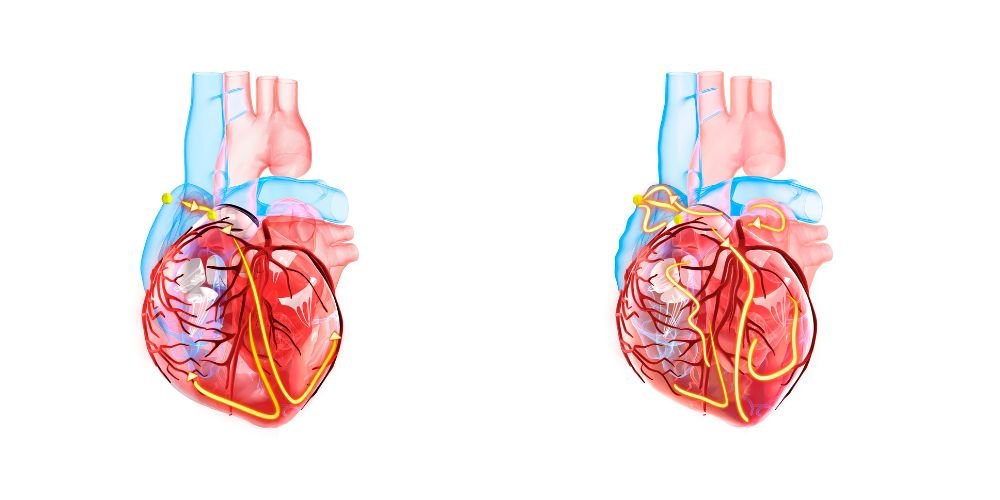
The term pac of heart refers to premature atrial contractions, a type of irregular heartbeat that begins in the upper chambers of the heart (atria). Normally, the heart follows a steady electrical pattern controlled by the sinus node. However, in a pac premature atrial contraction, an early electrical impulse disrupts this rhythm.
This early beat creates a sensation that the heart has “skipped” or added an extra beat. The correct pac medical term includes premature atrial contractions, premature atrial complexes, or atrial premature beats.
Even though pac of heart activity sounds concerning, it is often harmless in healthy individuals.
Understanding Heart Rhythm PAC
The heart rhythm PAC differs from a normal heartbeat because the signal originates earlier than expected in the atria.
When this happens, the heartbeat pattern may feel irregular or slightly off balance. Many patients describe a sudden “thump” or flutter in the chest.
The pac medical term is used by cardiologists to describe these early atrial signals that interrupt normal rhythm.
- Fluttering sensation in chest
- Skipped heartbeat feeling
- Sudden strong beat after pause
- Irregular heart rhythm PAC sensation
Occasional episodes of pac premature atrial contraction are very common and usually not dangerous.
Symptoms of PAC Premature Atrial Contraction
Many people with a pac of heart do not experience noticeable symptoms. However, when symptoms appear, they may include:
- Palpitations or fluttering
- Chest discomfort
- Feeling of skipped heartbeat
- Lightheadedness
- Shortness of breath
Frequent pac premature atrial contraction episodes may lead to increased awareness of heart rhythm PAC irregularities.
Causes of PAC of Heart
The exact cause of pac of heart irregularity is not always clear. However, several triggers are known to increase risk of pac premature atrial contraction episodes.
Lifestyle Triggers
- Caffeine intake
- Alcohol consumption
- Smoking
- Stress and anxiety
These factors can disrupt normal heart rhythm PAC function and increase extra beats.
Medical Conditions
- High blood pressure
- Heart disease
- Thyroid imbalance
- Dehydration
Such conditions may worsen pac premature atrial contraction frequency and contribute to abnormal heart rhythm PAC.
Physical Factors
- Fatigue
- Pregnancy
- Intense exercise
These may temporarily increase pac of heart activity without long-term risk.
Notes:
In this blog, understanding pac medical term and recognizing early signs of PAC dysrhythmia helps patients identify when irregular heartbeat patterns may need medical attention.
Is PAC Dysrhythmia Serious?
The term PAC dysrhythmia is used when premature atrial contractions become frequent or persistent.
In most cases, pac of heart irregularity is harmless. However, repeated pac premature atrial contraction episodes may indicate underlying heart stress.
Possible associations include:
- Coronary artery disease
- Cardiomyopathy
- Increased arrhythmia risk
Although occasional heart rhythm PAC events are normal, persistent PAC dysrhythmia should be monitored.
PAC vs Other Heart Rhythm Disorders
The pac medical term refers specifically to atrial-origin extra beats. However, it is often compared with other rhythm disorders.
| PAC of Heart | PVC (Ventricular) |
|---|---|
| Originates in atria | Originates in ventricles |
| Usually benign | May require evaluation |
| Early atrial beat | Early ventricular beat |
| Mild symptoms | Stronger palpitations |
How PAC Medical Term Is Diagnosed
Doctors use several tools to diagnose pac of heart conditions and analyze heart rhythm PAC patterns:
- Electrocardiogram (ECG)
- Holter monitor
- Event recorder
- Blood tests
These tests help determine how often pac premature atrial contraction occurs and whether treatment is needed.
Treatment and Management
Most cases of pac of heart do not require treatment. However, management focuses on reducing triggers and improving heart health.
Lifestyle Changes
- Reduce caffeine and alcohol
- Manage stress levels
- Improve sleep quality
- Stay hydrated
These steps help stabilize heart rhythm PAC and reduce pac premature atrial contraction episodes.
Medications
In more severe cases, doctors may prescribe beta-blockers or anti-arrhythmic drugs to control PAC dysrhythmia.
Monitoring
Patients with frequent pac of heart episodes may require ongoing monitoring to track changes in heart rhythm PAC.
Frequently Asked Questions
What is PAC of the heart?
Pac of heart refers to premature atrial contractions, which are early heartbeats originating in the atria.
Is PAC medical term dangerous?
The pac medical term describes a usually harmless condition unless symptoms become frequent or severe.
What causes PAC dysrhythmia?
PAC dysrhythmia may be caused by stress, caffeine, alcohol, or underlying heart conditions.
How does heart rhythm PAC feel?
Heart rhythm PAC often feels like a skipped beat, flutter, or sudden strong heartbeat.
When should I worry about PAC premature atrial contraction?
If pac premature atrial contraction becomes frequent or causes chest pain, dizziness, or shortness of breath, consult a cardiologist.
Schedule a Cardiology Consultation at Epic Heart and Vascular Center
If you are experiencing symptoms related to pac of heart, irregular heart rhythm PAC, or frequent PAC dysrhythmia, the specialists at Epic Heart and Vascular Center can help.
Book Your Heart Rhythm Evaluation Today
Get expert evaluation and advanced cardiac testing for irregular heartbeat symptoms and PAC conditions.
Serving patients across Houston, Richmond, and Tomball with advanced heart rhythm care.
Final Thoughts
Pac of heart conditions such as pac premature atrial contraction are common and often harmless, but persistent symptoms should not be ignored. Understanding the pac medical term and monitoring heart rhythm PAC changes can help detect early signs of cardiac issues.
If symptoms continue or worsen, evaluation for PAC dysrhythmia is important to maintain long-term heart health.
Disclaimer
This article is for informational purposes only and does not replace professional medical advice. Always consult a qualified healthcare provider for diagnosis and treatment of any heart rhythm concerns.