“Can you just unclog my arteries?” It is one of the most common questions cardiologists hear, often after a scary test result or a family member’s heart attack. The internet is full of drinks, supplements and cleanses that promise to dissolve plaque. Unfortunately, none of them work.
The real answer is more hopeful than many people expect. Modern treatment can stop plaque from growing, make it far less likely to rupture and, with very low cholesterol levels, even shrink it modestly. When a blockage is severe enough to limit blood flow, procedures such as angioplasty with a stent or bypass surgery can restore it. This guide explains how each approach works and who needs what.
Quick answer
There is no diet, drink or supplement that dissolves arterial plaque. What works is lowering LDL cholesterol aggressively (usually with a statin and sometimes other medicines), controlling blood pressure and blood sugar, not smoking and staying active, which can stabilize and modestly shrink plaque. Severe blockages that cause symptoms or threaten heart muscle are opened with angioplasty and stents or bypassed with surgery; neck and leg arteries have their own procedures.
Have symptoms you want checked? Dr. M. Usman Khan sees patients at our Northwest Houston, Tomball and Sugar Land offices.
What patients say about our care team
Read all reviews on Google- ★★★★★
The staff was amazing, very friendly and attentive.
— Stephanie G. Google review - ★★★★★
He explained everything to me!
— Yesenia B. Google review - ★★★★★
Everyone is incredibly supportive and the standard of care is top tier.
— Humzah A. Google review - ★★★★★
It's always good when someone cares, not just comes to work.
— Cecila A. Google review - ★★★★★
I felt like I waited less time and was seen much faster!
— Yesenia B. Google review
- ★★★★★
I am extremely grateful for the support and compassion.
— Debra L. W. Google review - ★★★★★
She always takes great care of me.
— Shemeanna B. Google review - ★★★★★
Her clinical skills were exemplary. I would definitely recommend.
— Humzah A. Google review - ★★★★★
I had a great experience with my appointment today.
— Stephanie G. Google review - ★★★★★
Mrs. Maxine literally listened to my concerns.
— Cecila A. Google review
Important
Chest pressure, shortness of breath, or pain in the arm, jaw or back with exertion or at rest can mean a blocked heart artery. Call 911 for severe or prolonged symptoms.
What Does It Mean to Have Clogged Arteries?
Clogged arteries means atherosclerosis: fatty, inflamed plaque has built up inside the artery wall, narrowing it and making it prone to sudden clotting.
Plaque is not like grease in a pipe that sits on the surface. It grows inside the wall of the artery and contains cholesterol, inflammatory cells, scar tissue and, over time, calcium. Two problems follow. A large plaque can narrow the artery and limit blood flow during exertion, causing angina or leg pain with walking. And a plaque with a thin cap can crack open, triggering a clot that blocks the artery suddenly, which is how most heart attacks and many strokes happen.
That second point is crucial: many heart attacks come from plaques that were only moderately narrowed. Treatment therefore aims not just to open tight spots but to make every plaque more stable.
Can Medicine Unclog Arteries?
Medicine cannot clear arteries completely, but lowering LDL cholesterol to very low levels stops plaque growth, stabilizes it and can shrink it modestly over one to two years.
- Statins (such as atorvastatin and rosuvastatin) are the foundation. They lower LDL and calm inflammation in the plaque.
- Ezetimibe reduces cholesterol absorption and is added when LDL remains above goal.
- PCSK9 inhibitors (injections) and inclisiran can lower LDL by another 50% or more. Imaging studies have shown measurable plaque regression with very low LDL.
- Bempedoic acid is an option for people who cannot take statins.
- Aspirin or other antiplatelet medicine lowers the risk of a clot forming on plaque in people with known artery disease.
- Blood pressure, diabetes and weight medicines, including SGLT2 inhibitors and GLP-1 receptor agonists in appropriate patients, reduce cardiovascular events.
Your LDL target depends on your risk; for people with established artery disease, many cardiologists aim for below 70 mg/dL and often below 55 mg/dL.
Which Lifestyle Changes Help Clogged Arteries?
Quitting smoking, a Mediterranean or DASH-style diet, regular exercise, weight control, good sleep and limiting alcohol slow plaque growth and lower heart attack risk.
- Stop smoking and vaping: the single most powerful change; risk starts dropping within a year.
- Eat a plant-forward diet: vegetables, fruit, beans, whole grains, nuts, olive oil and fish; limit processed meats, fried foods and refined carbohydrates. See how to lower cholesterol naturally.
- Move most days: at least 150 minutes a week of moderate activity. Supervised walking programs improve leg symptoms from peripheral artery disease.
- Control blood pressure and blood sugar.
- Sleep well and treat sleep apnea.
Lifestyle alone rarely reverses established plaque, but combined with medicine it dramatically lowers the chance of a heart attack or stroke.
When Are Procedures Needed to Open Arteries?
Procedures are used when a blockage causes symptoms that do not respond to medicine, threatens a large area of heart muscle, or causes a heart attack, stroke risk or limb-threatening leg circulation.
| Artery | Procedure | When it is used |
|---|---|---|
| Heart (coronary) | Angioplasty and stent | Heart attack; angina not controlled by medicine; high-risk blockages |
| Heart (coronary) | Coronary artery bypass surgery | Many blockages, left main disease, diabetes with multivessel disease |
| Neck (carotid) | Endarterectomy or carotid stenting | Severe narrowing, especially after a stroke or mini-stroke |
| Legs | Peripheral angioplasty, stent or atherectomy | Lifestyle-limiting leg pain or wounds that will not heal |
| Kidneys | Renal angioplasty | Selected cases of severe narrowing |
A stent or bypass fixes one segment; it does not cure atherosclerosis. Medicines and lifestyle remain essential afterward to protect the rest of the arteries. Read how long stents last.
When to seek care right away
Call 911 for:
- Chest pressure or pain spreading to the arm, jaw or back
- Sudden weakness, numbness, speech or vision trouble
- Sudden cold, painful, pale leg
- Severe shortness of breath or fainting
Call your doctor the same day for:
- Chest discomfort or breathlessness with exertion
- Leg cramping with walking that eases with rest
- A sore on the foot that will not heal
- Mini-stroke symptoms that resolved
Do Natural Remedies Unclog Arteries?
No supplement, juice, vinegar, garlic or chelation therapy has been shown to remove plaque or prevent heart attacks, and some can interact with heart medicines.
Chelation therapy, apple cider vinegar, turmeric, garlic pills, lemon water and detox cleanses are frequently promoted for “cleaning arteries.” None has reliable evidence of reversing plaque. Some, such as high-dose fish oil or certain herbal products, can increase bleeding risk with blood thinners. Spending money on proven medicines and healthy food is far more effective. Always tell your cardiologist about any supplement you take.
How Do Doctors Find Clogged Arteries?
Tests include a coronary calcium scan, stress testing, CT coronary angiography and cardiac catheterization for the heart, carotid ultrasound for the neck, and an ankle-brachial index or Doppler for the legs.
- Coronary calcium scan to measure calcified plaque in people without symptoms.
- Stress testing or nuclear imaging to check blood flow with exertion.
- Cardiac catheterization to see blockages directly and treat them in the same session.
- Carotid ultrasound for neck arteries.
- Ankle-brachial index and vascular Doppler for leg arteries.
Read about the signs of blocked arteries and living with blocked arteries.
What Happens After an Artery Is Opened?
After a stent or bypass you take antiplatelet medicine and a high-intensity statin, join cardiac rehabilitation, and keep blood pressure, diabetes and weight under control to protect the treated artery and the rest of the circulation.
Opening a blocked artery relieves symptoms and, after a heart attack, saves heart muscle. What happens over the following months determines whether new blockages form.
- Antiplatelet therapy: after a stent, most people take aspirin plus a second medicine such as clopidogrel, ticagrelor or prasugrel for a period set by the cardiologist. Stopping early, even for a dental procedure, can cause a dangerous clot inside the stent. Always ask your cardiologist first.
- High-intensity statin: usually lifelong, with add-on medicine if LDL remains above target.
- Cardiac rehabilitation: a supervised exercise and education program that lowers the risk of future events and improves stamina and confidence. See cardiac rehabilitation.
- Follow-up testing if symptoms return, such as a stress test.
- Risk-factor control: blood pressure below 130/80 for most people, diabetes management, quitting smoking and staying active.
Most people return to work and normal activities within a week after a planned stent, and within six to twelve weeks after bypass surgery. Your care team will give you a personal timeline. Read about recovery after heart bypass surgery.
Where to See a Cardiologist in Houston
Epic Heart & Vascular Center evaluates heart and vascular symptoms at three Greater Houston offices, with many tests such as ECGs and echocardiograms available on site. Care is led by Dr. M. Usman Khan, MD, FACC.
Also serving Richmond, Spring, Kingwood, Willowbrook and Eldridge patients. Monday to Friday, 8:00 am to 5:00 pm.
Key Takeaways
- No diet, drink or supplement dissolves arterial plaque.
- Very low LDL cholesterol, mainly through statins and add-on medicines, stabilizes and can modestly shrink plaque.
- Quitting smoking, healthy eating, exercise and blood pressure control lower heart attack and stroke risk.
- Angioplasty, stents, bypass and vascular procedures open severe blockages but do not cure atherosclerosis.
- Early testing lets treatment start before a heart attack or stroke.
Frequently Asked Questions
Can clogged arteries be reversed?
Plaque can be stabilized and modestly reduced with very low LDL cholesterol and healthy habits, but it is rarely eliminated completely.
What is the fastest way to unclog arteries?
For a severe blockage causing symptoms or a heart attack, angioplasty with a stent opens the artery immediately. Long-term, intensive cholesterol lowering is the most effective way to shrink plaque.
Do any foods clean your arteries?
No food cleans arteries, but a diet rich in vegetables, fruit, beans, whole grains, nuts, olive oil and fish lowers cholesterol and supports heart health.
Does apple cider vinegar or garlic unclog arteries?
There is no reliable evidence that either removes plaque or prevents heart attacks.
Can exercise unclog arteries?
Exercise improves blood flow, cholesterol, blood pressure and blood sugar, and helps leg symptoms, but it does not remove existing plaque on its own.
How do I know if my arteries are clogged?
Symptoms can include chest pain with exertion, shortness of breath and leg pain with walking, but many people have none. Tests such as a calcium scan, stress test or ultrasound are needed to know.
Sources and Further Reading
- National Heart, Lung, and Blood Institute. Atherosclerosis.
- National Heart, Lung, and Blood Institute. Coronary Heart Disease: Treatment.
- MedlinePlus. Cholesterol Medicines.
Medical disclaimer: This article is for general education and does not replace a visit with your own doctor. Symptoms, test results and treatment choices differ from person to person.
Please note: Reading this article does not create a doctor–patient relationship. If you think you are having a medical emergency, call 911.
About our cardiology practice
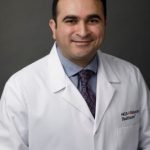
Dr. M. Usman Khan, MD, FACC
Dr. Khan is an interventional and general cardiologist who leads care at Epic Heart & Vascular Center, with offices in Northwest Houston, Tomball and Sugar Land. He completed his cardiovascular fellowship at the University of Virginia and holds fellowships in the American College of Cardiology, the American College of Physicians, the Society for Cardiovascular Angiography and Interventions and the American Society of Nuclear Cardiology.
This guide was written by the Epic Heart & Vascular Center editorial team from the sources listed above. Meet Dr. Khan →
Related Articles
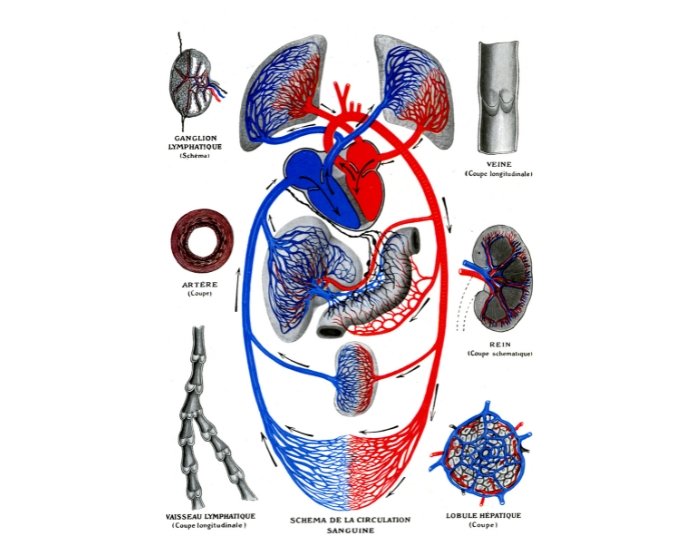
Signs of Blocked Arteries Throughout the Body: Heart, Neck, Legs and More
Blocked arteries cause different symptoms depending on where they are: chest pain in the heart, stroke warning signs in the neck, leg…
Living With Blocked Arteries: How Much Time Do You Have?
A diagnosis of blocked arteries is not a countdown clock. Learn what really determines your outlook, how blockages are treated, and the…
How Long Do Stents Last? Types of Stents and What Affects Their Lifespan
A coronary stent is designed to stay in place permanently. Learn how long stents work, the difference between drug-eluting and bare-metal stents,…