
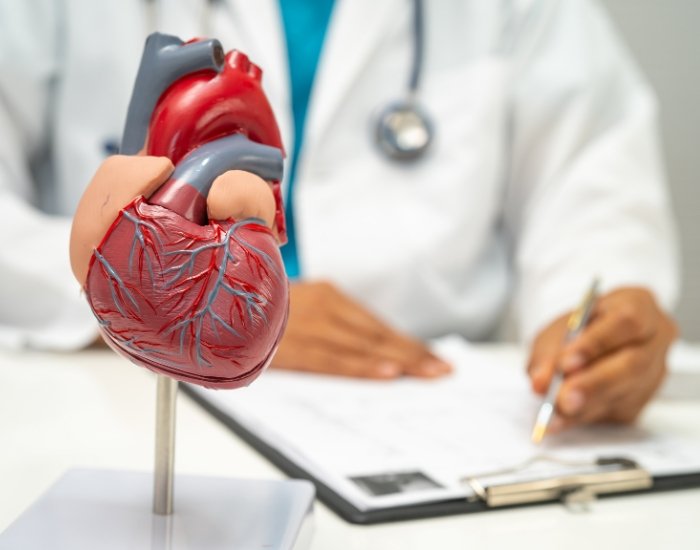
Heart failure is a serious condition that develops gradually, often catching patients off guard. Early signs are frequently subtle, and many people mistake them for normal aging, stress, or simple fatigue. These early symptoms, if ignored, can progress to more severe complications that affect daily life and overall health. Recognizing them early gives patients the chance to seek treatment, slow disease progression, and improve quality of life. Understanding the risk factors, common warning signs, and the importance of consulting a specialist can make a significant difference in managing the condition effectively. Educating yourself about these early indicators empowers you to take timely action and protect your heart health.
Table of Contents
- Early Symptoms of Heart Failure
- Risk Factors for Heart Failure
- When to See a Doctor
- Diagnostic Tests and Procedures
- Treatment and Lifestyle Management
- Consulting a Specialist
- Conclusion
Early Symptoms of Heart Failure
Swelling in Legs and Ankles
Fluid retention often appears first in the lower extremities, causing swelling in the legs, ankles, or feet. Patients may notice their shoes feeling tighter or waking up with puffy ankles. This symptom occurs because the heart struggles to pump blood efficiently, leading to fluid buildup.
Fatigue and Weakness
Feeling unusually tired or weak, even after adequate rest, is another early sign. Fatigue occurs as the heart’s reduced pumping ability limits oxygen delivery to muscles and organs, making everyday tasks like climbing stairs or walking feel exhausting.
Shortness of Breath
Shortness of breath, especially during physical activity or when lying down, is a common early symptom. Patients may experience difficulty breathing at night or need to use extra pillows to sleep comfortably. This happens because fluid can accumulate in the lungs when the heart is not pumping effectively.
Irregular Heartbeat
Heart failure can cause palpitations or irregular heartbeats. Patients might feel a racing, fluttering, or skipped heartbeat, which occurs as the heart attempts to compensate for reduced pumping efficiency. Persistent irregular heartbeat should prompt immediate evaluation.
Risk Factors for Heart Failure
Several factors increase the likelihood of developing heart failure. These include:
- High Blood Pressure: Elevated blood pressure forces the heart to work harder, gradually weakening it.
- Coronary Artery Disease: Blocked arteries reduce blood flow to the heart muscle, potentially leading to heart failure. Patients may benefit from procedures like coronary angioplasty and stent procedure to restore proper circulation.
- Diabetes: High blood sugar levels damage blood vessels and increase heart disease risk.
- Obesity: Excess weight strains the heart, contributing to weakened heart function.
When to See a Doctor
Early detection is crucial. Patients should consult a healthcare professional if they experience:
- Persistent swelling in legs or ankles
- Unexplained fatigue
- Shortness of breath during routine activities
- Frequent palpitations or irregular heartbeat
Delaying medical attention can lead to disease progression, worsening symptoms, and complications.
Diagnostic Tests and Procedures
A cardiologist can evaluate heart function and confirm a diagnosis using several tests, including:
- Echocardiogram Test: This imaging test assesses heart structure and pumping ability, helping identify early signs of heart failure. Learn more about the echocardiogram test.
- Blood tests to check for heart strain and other conditions
- Electrocardiogram (ECG) to evaluate heart rhythm
- Stress tests to assess how the heart responds to activity
Treatment and Lifestyle Management
Treatment focuses on improving symptoms, slowing progression, and preventing complications. This may include:
- Medications to reduce fluid buildup and support heart function
- Lifestyle changes such as reducing salt intake, exercising regularly, and maintaining a healthy weight
- Enrolling in a cardiac rehabilitation program to improve heart health under medical supervision
Consulting a Specialist
Heart failure is a serious condition that develops gradually, often catching patients off guard. Early signs are frequently subtle, and many people mistake them for normal aging, stress, or simple fatigue. These early symptoms, if ignored, can progress to more severe complications that affect daily life and overall health. Recognizing them early gives patients the chance to seek treatment, slow disease progression, and improve quality of life. Understanding the risk factors, common warning signs, and the importance of consulting a cardiologist in Houston can make a significant difference in managing the condition effectively. Educating yourself about these early indicators empowers you to take timely action and protect your heart health.
Conclusion
Recognizing the early signs of heart failure can save lives. Swelling, fatigue, shortness of breath, and irregular heartbeat should never be ignored, especially for individuals with risk factors like high blood pressure, diabetes, coronary artery disease, or obesity. Prompt evaluation by a cardiologist and appropriate diagnostic testing can ensure early intervention, better symptom management, and improved long-term outcomes.
Medical Disclaimer: This content is for educational purposes only and is not a substitute for professional medical advice, diagnosis, or treatment. Always seek the advice of your physician or another qualified healthcare provider with any questions regarding a medical condition.