
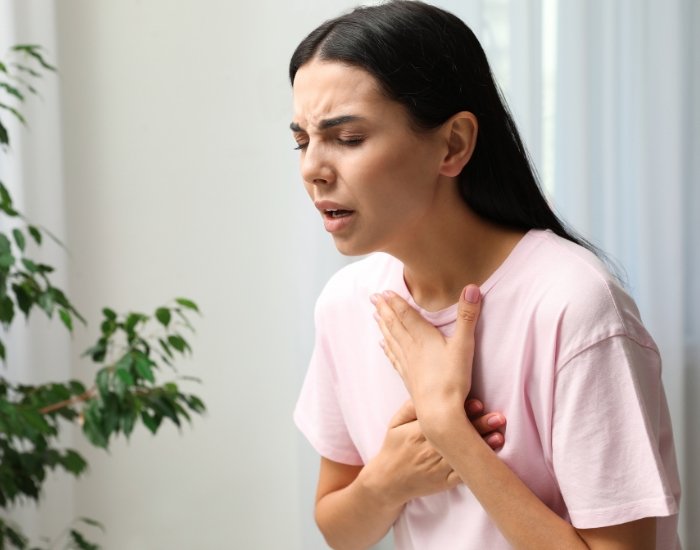
Taking a deep breath is something most of us do without thinking—until it suddenly becomes painful. If you’ve noticed a sharp, stabbing, or tight sensation in your chest when you inhale deeply, it can immediately cause concern. Many patients wonder: Is this my heart? Is this something serious? Because the chest contains both the heart and lungs, pain in this area should never be ignored.
Chest pain that worsens with deep breathing is known as pleuritic chest pain. In some cases, it may be caused by something relatively minor, such as muscle strain. However, in other situations, it can signal conditions affecting the lungs, heart, or blood vessels that require urgent medical attention. Understanding the possible causes, recognizing warning signs, and knowing when to seek professional care can help you protect your cardiovascular and respiratory health.
If you are experiencing persistent or concerning symptoms, Epic Heart & Vascular Institute in Houston can help. Call (832) 432-1951 to schedule an evaluation.
What Does Chest Pain With Deep Breathing Feel Like?
Patients describe this type of pain in different ways. It may feel:
- Sharp or stabbing with each breath
- Worse when coughing or sneezing
- Localized to one side of the chest
- Aching or pressure-like
- Sudden and intense
Unlike classic heart attack pain—which is often described as pressure or heaviness—pain that worsens specifically when inhaling is often related to inflammation or irritation in the chest cavity. However, distinguishing between lung-related and heart-related causes is not always simple without medical evaluation.
What Could Be Causing the Sharp Pain When You Take a Deep Breath?
Chest pain that worsens with deep breathing can come from mild problems or serious emergencies. Breathing involves the lungs, heart, chest wall, and nearby tissues, so pain may signal irritation or inflammation.
Pleurisy is a common cause. It happens when the thin membranes around the lungs become inflamed. The layers rub together, causing sharp pain that worsens with each breath, cough, or sneeze. Viral infections often trigger it, but bacterial pneumonia or injuries can too. Symptoms may include cough, fever, or shortness of breath. Treatment depends on the cause.
Pain may also come from muscle strain or chest wall injury. Heavy lifting, intense exercise, prolonged coughing, or sudden movements can strain muscles, cartilage, or ribs. The pain is usually in one spot and worsens with pressure or movement. Though not life-threatening, persistent pain should be checked.
Lung infections like pneumonia or bronchitis can also cause pain with deep breaths. Inflammation irritates nearby tissues, producing sharp or aching pain. Fever, chills, fatigue, shortness of breath, and productive cough may appear. Pneumonia may require prompt medical care.
A serious cause is pulmonary embolism (PE). A blood clot blocks a lung artery, causing sudden sharp pain with breathing, shortness of breath, fast heartbeat, cough, dizziness, or fainting. Risk factors include long immobility, surgery, pregnancy, or clotting disorders. PE is life-threatening and needs emergency care.
Pericarditis is another cause. It is inflammation of the sac around the heart. Pain worsens when lying flat or breathing deeply but may improve when sitting up. Fever, fatigue, palpitations, or leg swelling may occur. Early evaluation by a cardiologist in Houston is essential.
Since chest pain with deep breathing can have many causes, a medical checkup is important to find the cause and get proper care.
When Chest Pain Could Be Heart-Related
Although breathing-related chest pain is often lung or muscle-related, certain heart conditions can also cause discomfort during deep inhalation. Coronary artery disease, inflammation, or reduced blood flow to the heart can sometimes present with atypical symptoms.
If your symptoms include:
- Pressure or tightness in the chest
- Pain radiating to the arm, jaw, or back
- Nausea or sweating
- Dizziness
You should seek urgent evaluation.
Advanced testing such as a nuclear stress test can help determine whether reduced blood flow to the heart is causing your symptoms.
In some cases, a cardiac catheterization procedure may be necessary to evaluate blocked arteries and restore proper circulation.
Risk Factors That Increase Concern
Certain individuals should take chest pain more seriously, especially if they have:
- High blood pressure
- Diabetes
- High cholesterol
- Smoking history
- Family history of heart disease
- Previous heart attack or stroke
If you fall into one of these categories, early evaluation is especially important.
How Doctors Diagnose Chest Pain With Deep Breathing
At Epic Heart & Vascular Institute, evaluation begins with a thorough medical history and physical examination. Your provider may recommend:
- Electrocardiogram (EKG)
- Chest X-ray
- Blood tests
- Echocardiogram
- Stress testing
- CT imaging
These tools help distinguish between lung, heart, and musculoskeletal causes.
If a cardiac cause is suspected, you may be referred to a Cardiologist in Tomball or Cardiologist in Houston for further evaluation and advanced testing.
Warning Signs That Require Immediate Medical Attention
Call 911 or go to the nearest emergency room if you experience:
- Sudden severe chest pain
- Difficulty breathing
- Fainting
- Blue lips or fingertips
- Rapid or irregular heartbeat
- Chest pain accompanied by sweating or nausea
These symptoms may indicate a heart attack, pulmonary embolism, or other life-threatening condition.
Protecting Your Heart and Lung Health
Prevention plays a critical role in reducing the risk of serious chest conditions. Consider the following:
- Maintain a heart-healthy diet
- Exercise regularly
- Avoid smoking
- Manage stress effectively
- Control blood pressure, cholesterol, and blood sugar
- Stay current on routine health screenings
Regular cardiovascular check-ups can identify problems early before they become emergencies.
When to Schedule an Appointment
If your chest pain:
- Persists for more than a few days
- Recurs frequently
- Interferes with daily activities
- Is accompanied by shortness of breath or fatigue
You should schedule a professional evaluation.
Early diagnosis can provide peace of mind—and in some cases, save your life.
How Chest Pain With Deep Breathing Is Evaluated
When a patient reports chest pain that worsens with deep breathing, physicians take a careful and structured approach to determine the cause. Because the chest contains the heart, lungs, blood vessels, ribs, and muscles, identifying the exact source of pain requires a detailed medical history and physical examination. Your provider will ask when the pain started, what makes it worse or better, whether it radiates to other areas, and if it is accompanied by symptoms such as shortness of breath, fever, dizziness, or palpitations. This information helps narrow down whether the issue is more likely related to the lungs, the heart, or the chest wall.
Diagnostic testing may follow based on clinical suspicion. An electrocardiogram (EKG) can assess heart rhythm and detect signs of strain or reduced blood flow. Imaging studies such as a chest X-ray or CT scan may be ordered to evaluate lung conditions like pneumonia or pulmonary embolism. If a cardiac cause is suspected, advanced testing such as a nuclear stress test or even a cardiac catheterization procedure may be recommended to examine blood flow and detect blockages in the coronary arteries. Early and accurate evaluation ensures that serious conditions are identified promptly while providing reassurance when the cause is less concerning.
Why You Should Never Ignore Persistent Chest Pain
-
Chest pain during deep breathing is often caused by temporary inflammation or muscle strain, but persistent or worsening pain should never be dismissed.
-
Serious heart or lung conditions can start with subtle symptoms that may worsen over hours or days.
-
Mild discomfort can progress if the underlying cause involves infection, inflammation, or impaired blood flow.
-
Ignoring symptoms can delay diagnosis and increase the risk of complications.
-
Individuals with cardiovascular risk factors—such as high blood pressure, diabetes, high cholesterol, smoking history, or family history of heart disease—should be especially cautious.
-
Even if the pain is ultimately non-cardiac, ruling out dangerous causes provides peace of mind.
-
Prompt evaluation protects long-term heart and lung health and can be life-saving in emergencies.
Don’t Ignore Chest Pain — Get Expert Heart Care
Chest pain when taking a deep breath can range from a simple muscle strain to a serious heart or lung condition. Although not every episode signals danger, ongoing, severe, or unexplained chest discomfort should never be dismissed. Recognizing the difference between temporary discomfort and a potential medical emergency is essential to protecting your long-term health.
If you are feeling uncertain about your symptoms, the safest step is to seek professional evaluation. The experienced cardiovascular team at Epic Heart & Vascular is here to provide thorough testing, clear answers, and personalized treatment plans.
Epic Heart & Vascular Center proudly serves patients in Houston and surrounding communities. Call (832) 4321951 to schedule an appointment with an experienced heart specialist.
At Epic Heart & Vascular Center, patients are cared for by highly accomplished cardiovascular specialists, including Dr. M. Usman Khan, MD, FSCAI, FACC, FACP, FASNC, a board-certified interventional and general cardiologist with extensive expertise in advanced diagnostic and therapeutic heart procedures. Recognized for his outstanding academic achievements and national leadership roles within major medical organizations, Dr. Khan specializes in complex coronary and vascular interventions, cardiac catheterization, advanced cardiac imaging, and structural heart procedures. He is joined by Melissa Wilkin, MSN, FNP-C, ENP-C, a board-certified Family and Emergency Nurse Practitioner with advanced training from leading Texas institutions. Together, they provide state-of-the-art, compassionate cardiovascular care to patients throughout the Houston area, prioritizing clinical excellence and strong patient relationships.
Medical Disclaimer: This article is for educational purposes only and does not replace professional medical advice, diagnosis, or treatment. If you are experiencing a medical emergency, call 911 immediately. Always consult a qualified healthcare provider regarding concerns about chest pain or heart health.