
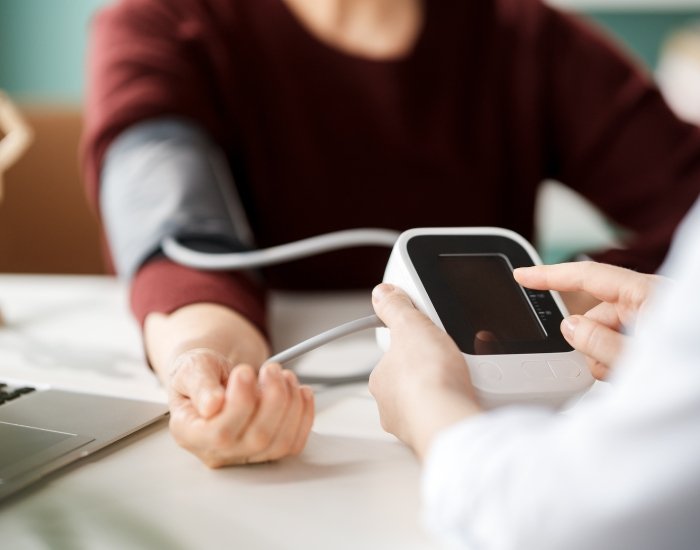
Low blood pressure, medically known as hypotension, is often overlooked compared to high blood pressure, but it can have significant effects on your health. Many people experience occasional dizziness, lightheadedness, or fatigue without realizing that a sudden drop in blood pressure may be the cause. Understanding what causes blood pressure drop is essential because it can signal underlying health issues ranging from dehydration and heart problems to hormonal imbalances and side effects of certain medications.
While some drops in blood pressure are temporary and harmless, others can lead to fainting, falls, or serious complications if left unaddressed. Recognizing the signs and knowing the possible triggers can help you take timely action to protect your heart and overall well-being. In this article, we will explore the most common causes of blood pressure drop, the symptoms to watch for, how doctors diagnose the condition, and strategies for effective management. By the end, you’ll have a clearer understanding of why blood pressure drops and what steps you can take to maintain healthy cardiovascular function.
Table of Contents
- What Is Blood Pressure and Why Does It Matter?
- Primary Causes of Blood Pressure Drop
- Situational Triggers for Sudden Drops
- Symptoms and Complications of a Blood Pressure Drop
- How Doctors Diagnose Low Blood Pressure
- Treatment and Management Options
- 5 Common FAQs About Causes of Blood Pressure Drop
- Final Thoughts
1. What Is Blood Pressure and Why Does It Matter?
Blood pressure measures the force of blood pushing against the walls of your arteries as your heart pumps. It is expressed using two numbers: the systolic pressure, which represents the pressure during heartbeats, and the diastolic pressure, which reflects the pressure between beats. A normal blood pressure reading is generally around 120/80 mm Hg. When readings consistently fall below approximately 90/60 mm Hg, it is considered hypotension. Maintaining healthy blood pressure is essential because if it drops too low, the body may not get enough oxygen-rich blood, which can affect the brain, heart, and other vital organs. Understanding how blood pressure works is the first step in recognizing when a drop may signal a potential health concern.
2. Primary Causes of Blood Pressure Drop
Low blood pressure can emerge from different root causes — some preventable, others medical.
2.1 Dehydration
When your body loses more fluids than it takes in, blood volume decreases. Reduced blood volume can cause a drop in blood pressure because there’s less fluid circulating through your system.
Common dehydration triggers include:
-
Not drinking enough water
-
Excessive sweating
-
Fever and vomiting
-
Prolonged diarrhea
2.2 Heart Problems
The heart plays a central role in maintaining blood pressure. If the heart cannot pump effectively, blood pressure can drop.
Cardiac issues linked to low blood pressure include:
-
Bradycardia (slow heart rate)
-
Heart valve problems
-
Heart attack
-
Congestive heart failure
When the heart is weakened or damaged, it may not push enough blood forward, leading to hypotension.
2.3 Endocrine Disorders
Hormones help regulate blood pressure. Some glandular issues can disrupt this balance:
-
Hypothyroidism — underactive thyroid
-
Adrenal insufficiency (Addison’s disease)
-
Low blood sugar (hypoglycemia)
These hormone imbalances can interfere with the body’s ability to maintain stable blood pressure.
2.4 Medications
Certain medications lower blood pressure either as a side effect or intentionally.
Common examples include:
-
ACE inhibitors
-
Diuretics (“water pills”)
-
Beta‑blockers
-
Antidepressants
-
Medications for Parkinson’s disease
If you’re on any prescription medications, talk to your provider before stopping them or adjusting doses.
2.5 Blood Loss
Significant blood loss — from injury, surgery, or internal bleeding — can reduce overall blood volume and cause a dangerous pressure drop.
This type of hypotension may require emergency care to replace lost blood and stabilize pressure.
3. Situational Triggers for Sudden Drops
While some cases of low blood pressure are chronic, others are triggered by specific situations.
3.1 Orthostatic Hypotension
This is a common cause of blood pressure drop when standing up from sitting or lying down. Gravity causes blood to pool in the legs, and if the nervous system doesn’t compensate fast enough, blood pressure falls.
People may feel dizzy or faint within seconds of standing.
3.2 Postprandial Hypotension
Some people experience a blood pressure drop after eating, especially older adults. Blood flow increases to the digestive tract, and in some people, the body doesn’t adjust blood pressure elsewhere quickly enough.
Symptoms may begin within 30 minutes after a meal.
3.3 Vasovagal Syncope
This reaction involves the vagus nerve, which helps regulate heart rate and blood pressure. A trigger — like stress, pain, or prolonged standing — can overstimulate the vagus nerve, slowing the heart and lowering blood pressure.
This often results in fainting.
4. Symptoms and Complications of a Blood Pressure Drop
A sudden drop in blood pressure can produce a range of symptoms, which vary depending on the severity and underlying cause. Many people experience dizziness, lightheadedness, or fainting, often triggered by changes in position such as standing up too quickly. Other common signs include blurred vision, fatigue, weakness, nausea, and confusion. In more severe cases, insufficient blood flow to vital organs may lead to chest pain, rapid weak pulse, or shock, which can become life-threatening. Recognizing these symptoms early and addressing the underlying causes is critical to preventing serious complications.
5. How Doctors Diagnose Low Blood Pressure
Diagnosing low blood pressure typically begins with a comprehensive review of your medical history, medications, and symptoms. Healthcare providers often measure blood pressure in different positions, such as lying down and standing, to detect conditions like orthostatic hypotension. Blood tests may be ordered to assess hormone levels and rule out endocrine disorders, while an ECG can monitor heart activity to check for bradycardia or other cardiac issues. Additionally, doctors may evaluate hydration status and blood volume to determine if dehydration or blood loss is contributing to the low readings. Accurate diagnosis is essential for identifying the cause and guiding effective treatment.
6. Treatment and Management Options
The approach to managing a blood pressure drop depends on its underlying cause. Lifestyle adjustments often play a key role, including maintaining proper hydration, gradually transitioning from sitting to standing, eating smaller, frequent meals, and wearing compression stockings if recommended. Nutritional considerations, such as consuming adequate salt under medical supervision, incorporating potassium-rich foods, and avoiding alcohol, can help stabilize blood pressure. In cases where medication or underlying health conditions contribute to hypotension, doctors may adjust prescriptions, provide hormone replacement, or administer intravenous fluids or blood transfusions in severe cases. Personalized care from a medical team, such as the professionals at EPIC Heart & Vascular Center, ensures the safest and most effective management strategy.
7. Common FAQs About Causes of Blood Pressure Drop
Q1: What causes my blood pressure to drop when I stand up?
A1: This is often due to orthostatic hypotension, where blood doesn’t return to the heart quickly enough upon standing, causing a temporary blood pressure dip.
Q2: Can stress cause a sudden blood pressure drop?
A2: Yes. In some people, acute stress triggers vasovagal syncope, leading to a sudden drop in both heart rate and blood pressure.
Q3: Why does my blood pressure drop after eating?
A3: After meals, blood shifts to the digestive system. In some individuals, especially older adults, the body’s compensatory mechanisms lag, causing postprandial hypotension.
Q4: Can dehydration cause low blood pressure?
A4: Absolutely. Lack of adequate fluids reduces blood volume, which can lead to a drop in pressure.
Q5: What medications contribute to blood pressure drop?
A5: Blood pressure medications like diuretics, beta‑blockers, and some antidepressants can lower blood pressure as a side effect. Always discuss medication changes with your doctor.
8. Final Thoughts
A blood pressure drop can range from mildly uncomfortable to life‑threatening depending on the cause and severity. While occasional lightheadedness isn’t uncommon, frequent or severe episodes should be discussed with a healthcare provider. Understanding what causes blood pressure drops — from dehydration and medications to situational triggers like standing or eating — empowers you to make informed decisions about your health.
If you or a loved one is experiencing symptoms of low blood pressure or you want personalized guidance on managing your cardiovascular health, contact EPIC Heart & Vascular Center. Our experienced team provides compassionate care and effective solutions to help you live confidently with your health goals.
Medical Disclaimer: This blog is for educational purposes only and should not replace professional medical advice. Always consult a qualified healthcare provider for personalized diagnosis and treatment options.