

Why Does Your Chest Pain While Swallowing? Causes Explained
Swallowing is something most people do without thinking. However, if you suddenly experience pain or pressure while eating or drinking, it can become alarming very quickly. Many people describe symptoms such as hurts to swallow in chest, burning sensations, or pain in the chest when eating. While some cases are caused by irritation or acid reflux, others may signal more serious conditions involving the esophagus or even the heart.
If you notice repeated chest pain difficulty in swallowing, discomfort after meals, or sharp pain when swallowing liquids or food, it is important not to ignore these symptoms. Understanding the possible causes can help you seek proper treatment before complications develop.
Notes:
In this blog, you will learn why it hurts to swallow in chest, the most common causes of swallowing pain, symptoms linked to esophageal conditions, and when chest discomfort may require immediate medical evaluation.
Table of Contents
- Why Does Swallowing Cause Chest Pain?
- Common Causes of Chest Pain While Swallowing
- Esophagitis
- Esophageal Irritation or Injury
- Esophageal Motility Disorders
- Eosinophilic Esophagitis
- Esophageal Cancer
- When Should You See a Doctor?
- Frequently Asked Questions
- Schedule a Cardiology Evaluation
Why Does Swallowing Cause Chest Pain?
Swallowing involves several muscles and structures working together, including the tongue, throat, pharynx, and esophagus. Normally, food travels smoothly from the mouth to the stomach.
However, when inflammation, irritation, muscle dysfunction, or narrowing occurs, people may experience symptoms such as:
- Hurts to swallow in chest
- Burning pain behind the breastbone
- Pain in the chest when eating
- Food feeling stuck in the throat
- Chest pain difficulty in swallowing
- Pressure after swallowing food or liquids
Sometimes the discomfort happens because food is swallowed too quickly or is too hot. In other situations, persistent symptoms may indicate an underlying medical condition.
Common Causes of Chest Pain While Swallowing
There are several possible reasons why someone may feel hurts when eating chest discomfort or pain while swallowing.
| Condition | Possible Symptoms |
|---|---|
| Acid Reflux | Burning chest pain after meals |
| Esophagitis | Painful swallowing and irritation |
| Esophageal Spasms | Sharp squeezing chest pain |
| Food Obstruction | Food feeling stuck in chest |
| Esophageal Cancer | Difficulty swallowing and weight loss |
Esophagitis
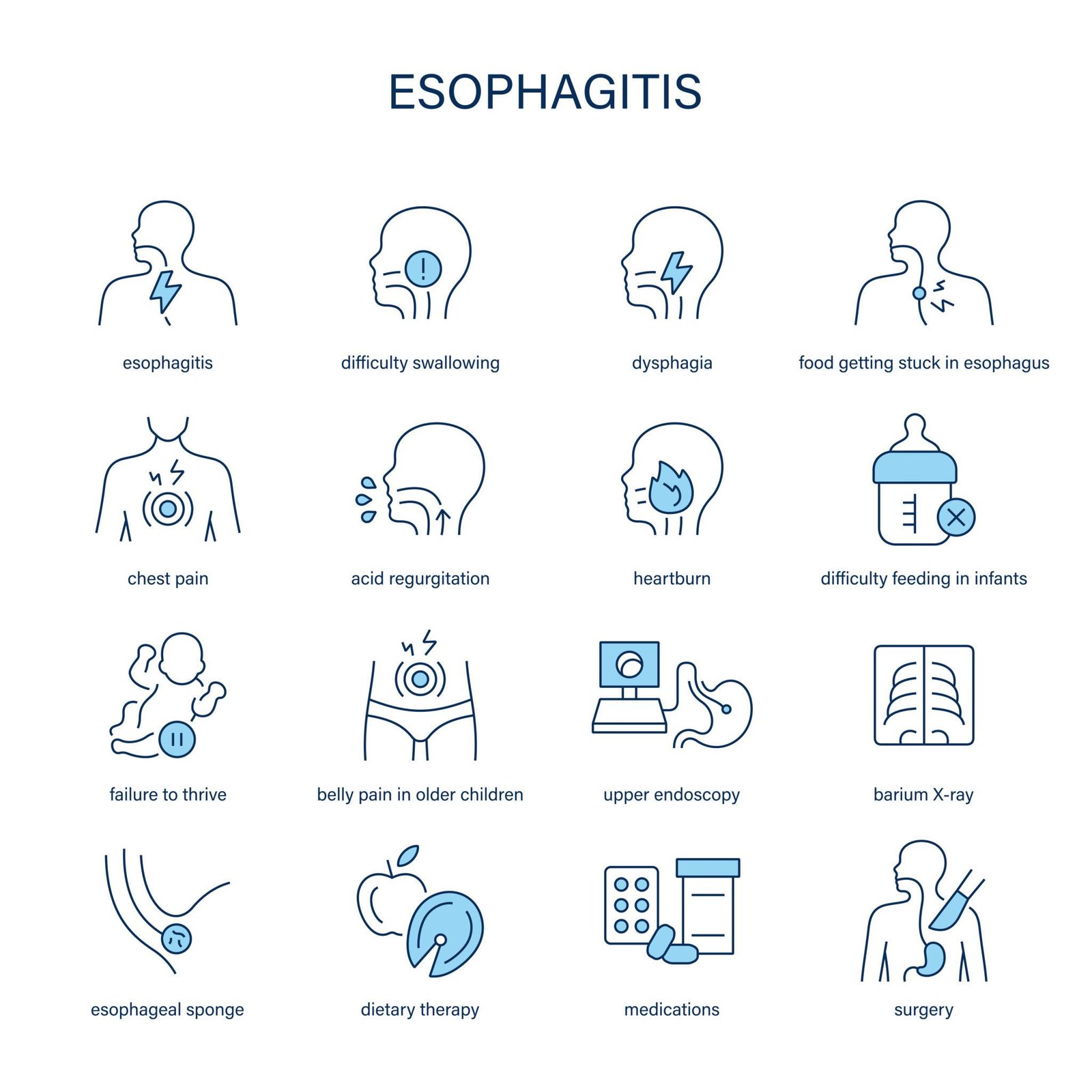
Esophagitis refers to inflammation of the esophagus and is one of the leading causes of pain in the chest when eating.
This condition may occur because of:
- Acid reflux
- Certain medications
- Infections
- Allergic reactions
- Chronic irritation
Drug-induced esophagitis often develops after taking pills without enough water or lying down immediately afterward.
Symptoms commonly include:
- Hurts to swallow in chest
- Heartburn
- Pain after eating
- Difficulty swallowing
- Burning sensations in the chest
Many cases improve once the source of irritation is removed.
Esophageal Irritation or Injury
The esophagus can become irritated due to burns from hot food, sharp foods, medications, vomiting, or acid exposure.
When inflammation develops, patients may notice:
- Chest pain difficulty in swallowing
- Hurts when eating chest pressure
- Pain with hot or cold drinks
- Sharp discomfort behind the breastbone
Short-term irritation often heals naturally, but chronic symptoms require medical attention.
Notes:
In this blog, recurring pain in the chest when eating or ongoing swallowing difficulty may signal inflammation, acid reflux, or esophageal disorders. Persistent symptoms should never be ignored.
Esophageal Motility Disorders
Esophageal motility disorders affect the muscles that move food from the mouth into the stomach.
When these muscles fail to coordinate properly, swallowing can become painful and difficult.
Achalasia
Achalasia occurs when the lower esophageal muscles fail to relax correctly, causing food to remain trapped.
Jackhammer Esophagus
This condition causes extremely strong muscle contractions inside the esophagus.
Patients often describe symptoms as hurts when eating chest pressure or severe squeezing sensations.
Opioid-Induced Dysmotility
Certain medications, especially opioids, may interfere with normal swallowing muscle coordination.
Motility disorders frequently cause:
- Hurts to swallow in chest
- Food sticking sensations
- Pain in the chest when eating
- Difficulty swallowing liquids or solids
Eosinophilic Esophagitis
Eosinophilic esophagitis (EOE) is a chronic inflammatory condition caused by a buildup of eosinophils, a type of white blood cell.
This condition can damage esophageal tissue and create significant swallowing discomfort.
Symptoms include:
- Chest pain difficulty in swallowing
- Food impaction
- Acid reflux symptoms
- Hurts when eating chest pain
- Difficulty swallowing solid foods
Although there is no permanent cure for EOE, medications and allergy management may help reduce symptoms.
Esophageal Cancer
In rare cases, persistent swallowing pain may be related to esophageal cancer.
Symptoms may include:
- Pain in the chest when eating
- Rapid unexplained weight loss
- Hoarse voice
- Chronic cough
- Nausea and vomiting
- Difficulty swallowing worsening over time
- Bleeding in the digestive tract
Early diagnosis significantly improves treatment outcomes, which is why persistent chest pain difficulty in swallowing should always be evaluated.
Can Chest Pain While Swallowing Be Heart-Related?
Although many swallowing-related symptoms originate in the esophagus, heart conditions can sometimes mimic digestive pain.
Angina, reduced blood flow to the heart, or cardiovascular disease may cause:
- Pressure in the chest
- Pain after eating
- Discomfort radiating to the arm or jaw
- Shortness of breath
- Burning sensations similar to acid reflux
If swallowing pain is associated with dizziness, sweating, arm pain, or breathing difficulty, seek emergency medical attention immediately.

When Should You See a Doctor?
You should schedule a medical evaluation if you experience:
- Repeated hurts to swallow in chest symptoms
- Chest pain difficulty in swallowing
- Food getting stuck frequently
- Unexplained weight loss
- Persistent acid reflux
- Chest pain lasting more than a few days
- Difficulty swallowing liquids
Early diagnosis can help prevent complications and improve treatment outcomes.
Frequently Asked Questions
Why does it hurt to swallow in chest?
Hurts to swallow in chest symptoms may result from acid reflux, esophagitis, esophageal spasms, or swallowing disorders.
What causes chest pain difficulty in swallowing?
Chest pain difficulty in swallowing may occur because of inflammation, muscle coordination problems, or narrowing of the esophagus.
Why does it hurt when eating chest discomfort develops?
Hurts when eating chest pain can happen when food irritates an inflamed esophagus or triggers muscle spasms.
Can pain in the chest when eating be serious?
Yes. Persistent pain in the chest when eating may indicate GERD, esophageal disorders, or heart-related conditions.
Should I see a cardiologist for swallowing-related chest pain?
If chest discomfort is severe, recurrent, or associated with shortness of breath or dizziness, a cardiovascular evaluation may be recommended.
Schedule an Evaluation at Epic Heart and Vascular Center
If you are experiencing hurts to swallow in chest symptoms, ongoing pain in the chest when eating, or unexplained chest pain difficulty in swallowing, the specialists at Epic Heart and Vascular Center are here to help.
Get Expert Chest Pain Evaluation Today
Do not ignore swallowing pain or chest discomfort. Our experienced cardiovascular specialists provide advanced testing and personalized treatment for chest pain symptoms.
- Visit Epic Heart and Vascular Center
- Meet Our Richmond Cardiologists
- Connect With Our Tomball Heart Specialists
Proudly serving patients across Houston, Richmond, Tomball, and surrounding Texas communities.
Final Thoughts
Experiencing hurts when eating chest discomfort or pain in the chest when eating can feel alarming, especially when symptoms become frequent. While some cases are caused by acid reflux or temporary irritation, persistent swallowing pain should always be evaluated by a healthcare professional.
Recognizing early warning signs and seeking medical care can help identify underlying digestive or cardiovascular conditions before they become more serious.
Disclaimer
The information provided in this blog is for educational purposes only and is not intended as medical advice. It should not be used to diagnose or treat any health condition. Always consult with a qualified healthcare professional for accurate diagnosis and treatment of any symptoms or medical concerns.