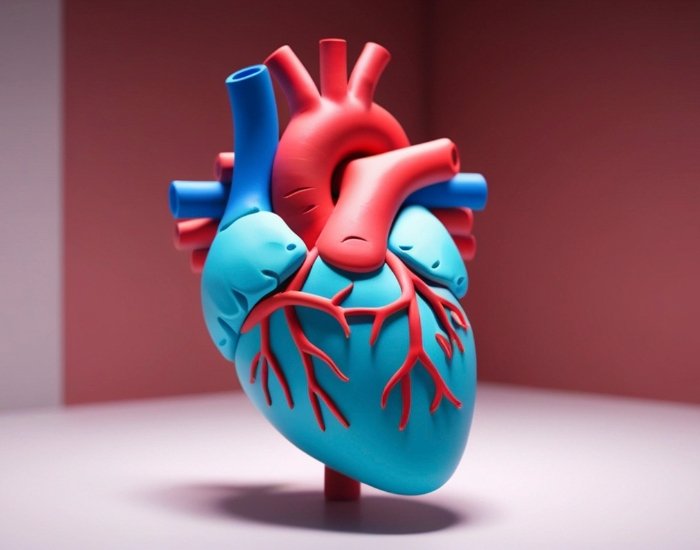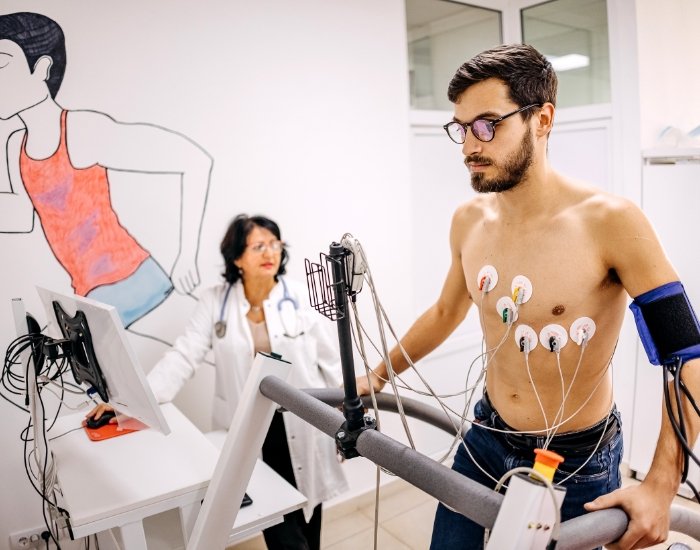
A pacemaker is a small device placed under the skin, usually below the collarbone, that prevents the heart from beating too slowly. For most people, it restores energy and confidence, and daily life quickly returns to normal. Still, patients understandably want to know what they should avoid to protect the device and themselves.
The list is shorter than many people expect. Modern pacemakers are well shielded against everyday electronics, and most restrictions apply only for the first few weeks after implantation or to specific situations such as strong magnetic fields. This guide covers the nine precautions that matter most and the many activities you can enjoy without worry.
Quick answer
With a pacemaker you should keep strong magnets and phones at least six inches from the device, avoid MRI scans unless your system is MRI-conditional and the scan follows a pacemaker protocol, tell security staff about your device, avoid arc welding and leaning over running engines, avoid contact sports that could hit the device, avoid certain medical treatments such as diathermy without precautions, and avoid lifting your arm above your shoulder or heavy lifting for about four to six weeks after implant. Driving, walking, swimming after healing, household appliances, computers, travel and most exercise are safe.
Have symptoms you want checked? Dr. M. Usman Khan sees patients at our Northwest Houston, Tomball and Sugar Land offices.
What patients say about our care team
Read all reviews on Google- ★★★★★
The staff was amazing, very friendly and attentive.
— Stephanie G. Google review - ★★★★★
He explained everything to me!
— Yesenia B. Google review - ★★★★★
Everyone is incredibly supportive and the standard of care is top tier.
— Humzah A. Google review - ★★★★★
It's always good when someone cares, not just comes to work.
— Cecila A. Google review - ★★★★★
I felt like I waited less time and was seen much faster!
— Yesenia B. Google review
- ★★★★★
I am extremely grateful for the support and compassion.
— Debra L. W. Google review - ★★★★★
She always takes great care of me.
— Shemeanna B. Google review - ★★★★★
Her clinical skills were exemplary. I would definitely recommend.
— Humzah A. Google review - ★★★★★
I had a great experience with my appointment today.
— Stephanie G. Google review - ★★★★★
Mrs. Maxine literally listened to my concerns.
— Cecila A. Google review
Important
Call your doctor for fainting, dizziness, a very slow or irregular pulse, persistent hiccups, or swelling, redness or drainage at the device site. Call 911 for chest pain or severe shortness of breath.
What Are the 9 Things to Avoid With a Pacemaker?
Keep magnets and phones away from the device, follow MRI and security rules, avoid strong electromagnetic fields, protect the device from blows, respect early arm restrictions and inform every doctor about your device.
1. Do not keep a phone or magnet over the device
Cell phones, wireless earbud cases, smartwatch chargers and magnetic items can interfere if held directly against the pacemaker. Keep them at least six inches away; use the ear on the opposite side for calls, and do not carry a phone in a shirt pocket over the device.
2. Do not have an MRI without checking first
Many newer pacemakers are MRI-conditional, meaning scans can be done safely if specific conditions are met and the device is reprogrammed. Older systems may not be. Always tell the imaging team, and carry your device ID card.
3. Do not linger in security scanners
Walking through airport metal detectors is generally safe, but do not stop inside them. Show your device card. Ask for a hand search if you prefer, and request that hand-held wands not be held over the device.
4. Avoid arc welding and high-voltage equipment
Arc welders, high-voltage transformers, industrial magnets and large motors create strong fields. If your job involves them, ask your device team for a workplace assessment.
5. Do not lean over a running car engine
The alternator and ignition system produce electromagnetic fields. Turn the engine off before working on it.
6. Avoid contact sports and direct blows to the device
Football, rugby, boxing and martial arts can damage the device or leads. Shooting sports with the rifle butt against the device side should also be adjusted.
7. Do not lift your arm above shoulder level for the first weeks
For about four to six weeks after implantation, avoid raising the arm on the device side above shoulder height and avoid heavy lifting (often more than about 10 pounds), vigorous swinging motions such as golf or swimming, and pushing heavy objects. This lets the leads anchor in the heart.
8. Avoid certain medical treatments without precautions
Diathermy, some electrocautery during surgery, TENS units, lithotripsy and radiation therapy near the device need planning. Always tell every doctor, dentist and therapist that you have a pacemaker.
9. Do not miss device checks
Regular in-office or remote checks monitor battery life, lead function and your heart rhythm. Skipping them can mean a problem goes unnoticed. See ICD and pacemaker checks.
What Can You Safely Do With a Pacemaker?
You can work, drive once cleared, travel, use household appliances, computers and most electronics, exercise, swim after healing, have sex and enjoy most hobbies.
- Household appliances: microwaves, TVs, hair dryers, electric shavers and computers are safe.
- Induction cooktops: generally safe if you do not lean directly over the active cooking zone.
- Driving: usually allowed about one week after implant for private drivers, depending on the reason for the pacemaker; commercial drivers have stricter rules.
- Exercise: walking, cycling and most sports once healed.
- Travel: carry your ID card and a list of medicines.
- Sex: usually safe once the incision has healed.
What Should You Expect in the First Weeks After Implant?
Expect mild soreness and bruising at the site, keep the incision dry as instructed, follow arm restrictions, and attend a wound check and device check within a few weeks.
Most people go home the same or next day. Pain is usually mild and controlled with acetaminophen. Watch for signs of infection or a collection of blood under the skin. Read recovering after pacemaker surgery.
What Signs Suggest a Pacemaker Problem?
Dizziness, fainting, a very slow or irregular pulse, unusual fatigue, shortness of breath, persistent hiccups, muscle twitching near the device or redness and swelling at the site should be reported.
Most pacemaker problems are rare and detected early during routine checks. If you notice these symptoms, contact your device clinic promptly. Remote monitoring can often check the device without an office visit.
When to seek care right away
Call 911 for:
- Fainting or near fainting
- Chest pain or severe shortness of breath
- A very slow pulse with confusion
- Sudden weakness or speech trouble
Call your doctor the same day for:
- Redness, swelling or drainage at the device site
- Fever after implant
- Persistent hiccups or muscle twitching
- Unusual fatigue or dizziness
How Long Does a Pacemaker Battery Last?
Most pacemaker batteries last about 7 to 12 years, depending on how often the device paces and its settings; replacing the generator is a short outpatient procedure.
Device checks show the remaining battery life well in advance, so replacement can be planned. The leads usually stay in place and are connected to the new generator. Read how long you can live with a pacemaker.
Do Pacemakers Treat Atrial Fibrillation or Prevent Heart Attacks?
A pacemaker prevents slow heart rhythms; it does not stop atrial fibrillation itself or prevent heart attacks, though it can allow AFib medicines to be used safely.
Many patients are surprised to learn that pacemakers treat slow rhythms, not fast ones or blocked arteries. You may still need blood thinners for AFib and medicines for coronary artery disease. See the role of a pacemaker for AFib and can pacemakers prevent a heart attack.
What Should You Carry and Tell Others About Your Pacemaker?
Carry your device ID card and a current medicine list, register for remote monitoring, and tell every doctor, dentist, physical therapist and airport security officer that you have a pacemaker.
A few simple habits make life with a device easier and safer.
- Device ID card: lists the manufacturer, model and leads. Keep it in your wallet and a photo on your phone.
- Medicine list: include doses and allergies, and note whether you take a blood thinner.
- Remote monitoring: a bedside or phone-based transmitter sends device data to your clinic automatically. Keep it plugged in near where you sleep.
- Before procedures: tell surgeons, dentists and therapists about the device; electrosurgery and some therapies need device programming or precautions.
- Traveling abroad: bring your card, know the name of your device company, and note the location of a cardiology clinic at your destination.
- Family awareness: make sure someone close to you knows about the device and the symptoms that should prompt a call.
Most manufacturers have 24-hour support lines that can help hospitals anywhere identify and program your device in an emergency.
Where to See a Cardiologist in Houston
Epic Heart & Vascular Center evaluates heart and vascular symptoms at three Greater Houston offices, with many tests such as ECGs and echocardiograms available on site. Care is led by Dr. M. Usman Khan, MD, FACC.
Also serving Richmond, Spring, Kingwood, Willowbrook and Eldridge patients. Monday to Friday, 8:00 am to 5:00 pm.
Key Takeaways
- Most people with a pacemaker live normal, active lives.
- Keep phones and magnets at least six inches from the device.
- MRI is possible only with MRI-conditional systems and a specific protocol.
- Avoid raising the arm above the shoulder and heavy lifting for about four to six weeks after implant.
- Keep every device check; batteries usually last 7 to 12 years.
Frequently Asked Questions
Can I use a cell phone with a pacemaker?
Yes. Keep it at least six inches from the device and use the ear on the opposite side.
Can I go through airport security with a pacemaker?
Yes. Show your device card, walk through without stopping, or ask for a hand search.
Can I have an MRI with a pacemaker?
Many modern systems are MRI-conditional and can be scanned under specific conditions with device reprogramming. Always check first.
Can I exercise with a pacemaker?
Yes, once healed. Avoid contact sports and heavy upper-body work for the first four to six weeks.
Can I use a microwave with a pacemaker?
Yes. Modern microwaves and household appliances are safe.
How long after pacemaker surgery can I drive?
Often about one week for private drivers, depending on the reason for the pacemaker. Ask your cardiologist.
Sources and Further Reading
- National Heart, Lung, and Blood Institute. Pacemakers.
- MedlinePlus. Pacemakers and Implantable Defibrillators.
- MedlinePlus. Pacemaker.
Medical disclaimer: This article is for general education and does not replace a visit with your own doctor. Symptoms, test results and treatment choices differ from person to person.
Please note: Reading this article does not create a doctor–patient relationship. If you think you are having a medical emergency, call 911.

About our cardiology practice
Dr. M. Usman Khan, MD, FACC
Dr. Khan is an interventional and general cardiologist who leads care at Epic Heart & Vascular Center, with offices in Northwest Houston, Tomball and Sugar Land. He completed his cardiovascular fellowship at the University of Virginia and holds fellowships in the American College of Cardiology, the American College of Physicians, the Society for Cardiovascular Angiography and Interventions and the American Society of Nuclear Cardiology.
This guide was written by the Epic Heart & Vascular Center editorial team from the sources listed above. Meet Dr. Khan →
Related Articles
Recovering After Pacemaker Surgery: What to Do and What Not to Do
Most people go home within a day of pacemaker surgery and recover within weeks. Learn the restrictions, wound care, warning signs, driving…
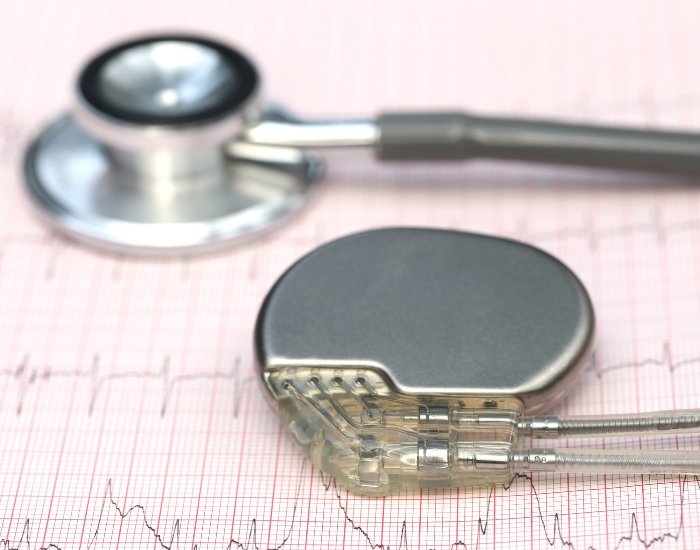
How Long Can You Live With a Biventricular Pacemaker?
Biventricular pacemakers (cardiac resynchronization therapy) help many heart failure patients live longer and feel better. Learn who benefits, what life expectancy depends…
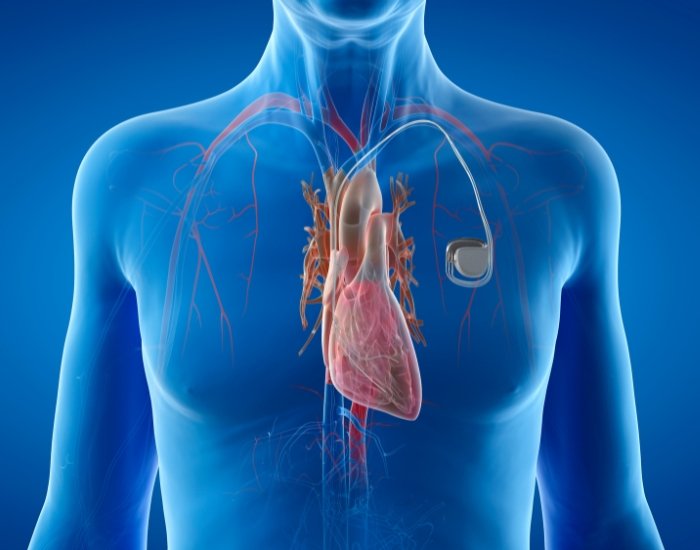
What Is the Role of a Pacemaker in Atrial Fibrillation (AFib)?
A pacemaker does not cure AFib, but it treats slow heart rates linked to it, makes rate-control medicines safer and is part…