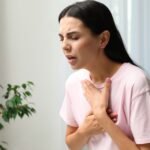
Many people notice their heart racing, pounding or skipping a beat shortly after a meal. It can be startling, especially when it happens after a large dinner or a sweet dessert. In most cases the explanation lies in digestion itself: after eating, blood flow shifts to the gut, hormones surge, and the heart speeds up a little to keep up.
Certain foods and drinks, including caffeine, alcohol, sugar, salty or spicy dishes and large portions, make palpitations more likely. Less often, eating unmasks an underlying rhythm problem such as atrial fibrillation or frequent extra beats. This guide explains the common triggers, what deserves a heart check, and practical ways to prevent palpitations after meals.
Quick answer
Palpitations after eating are usually caused by the normal increase in heart rate during digestion, large or high-carbohydrate meals, caffeine, alcohol, spicy or salty foods, acid reflux, swallowed air, or blood sugar swings. They can also come from extra beats or atrial fibrillation that eating triggers. See a doctor if palpitations are frequent, last more than a few minutes, feel fast and irregular, or come with dizziness, fainting, chest pain or shortness of breath, which need urgent care.
Have symptoms you want checked? Dr. M. Usman Khan sees patients at our Northwest Houston, Tomball and Sugar Land offices.
What patients say about our care team
Read all reviews on Google- ★★★★★
The staff was amazing, very friendly and attentive.
— Stephanie G. Google review - ★★★★★
He explained everything to me!
— Yesenia B. Google review - ★★★★★
Everyone is incredibly supportive and the standard of care is top tier.
— Humzah A. Google review - ★★★★★
It's always good when someone cares, not just comes to work.
— Cecila A. Google review - ★★★★★
I felt like I waited less time and was seen much faster!
— Yesenia B. Google review
- ★★★★★
I am extremely grateful for the support and compassion.
— Debra L. W. Google review - ★★★★★
She always takes great care of me.
— Shemeanna B. Google review - ★★★★★
Her clinical skills were exemplary. I would definitely recommend.
— Humzah A. Google review - ★★★★★
I had a great experience with my appointment today.
— Stephanie G. Google review - ★★★★★
Mrs. Maxine literally listened to my concerns.
— Cecila A. Google review
Important
Palpitations with chest pain, fainting, severe breathlessness or confusion need 911, whether or not they started after a meal.
Why Does My Heart Race After Eating?
Digestion increases blood flow to the stomach and intestines, raises metabolic rate and releases hormones, which modestly speeds up the heart; large or rich meals amplify the effect.
After a meal, the body directs a larger share of blood to the digestive tract. To maintain blood pressure, the heart rate rises slightly. A big, carbohydrate-heavy meal causes a larger insulin surge, sometimes followed by a dip in blood sugar that triggers adrenaline. Each of these can make you more aware of your heartbeat.
The vagus nerve, which connects the brain, heart and gut, also plays a role. A distended stomach or reflux can stimulate it and trigger extra beats in susceptible people.
Which Foods and Drinks Trigger Palpitations?
Caffeine, alcohol, high-sugar or refined-carbohydrate foods, very salty or spicy meals, large portions, energy drinks and some supplements are common triggers.
- Caffeine: coffee, tea, colas, energy drinks and chocolate.
- Alcohol: can trigger atrial fibrillation, especially after heavy intake (holiday heart syndrome).
- Sugar and refined carbs: desserts, white bread, pasta and sweet drinks cause blood sugar spikes and dips.
- Salty foods: may cause fluid shifts and higher blood pressure.
- Spicy foods: can trigger reflux and vagal stimulation.
- Tyramine-rich foods: aged cheese, cured meats and fermented foods can raise blood pressure in some people, especially those on MAOI medicines.
- Supplements: diet pills, bitter orange, ginseng and some pre-workout products contain stimulants.
- Large portions: stretch the stomach and increase the heart’s workload.
Can Digestive Problems Cause Palpitations?
Yes. Acid reflux, hiatal hernia, swallowing air, bloating and gas can stimulate the vagus nerve and trigger extra beats, and severe blood sugar dips after meals cause adrenaline-driven racing.
People with reflux often notice skipped beats when lying down after eating. A hiatal hernia can press near the heart. After certain stomach surgeries, food can empty into the small intestine too quickly (dumping syndrome), causing a racing heart, sweating and lightheadedness within 30 minutes of eating. Reactive hypoglycemia, a blood sugar drop a few hours after a high-carbohydrate meal, causes shakiness, hunger and palpitations.
Which Heart Rhythm Problems Can Show Up After Eating?
Premature atrial and ventricular contractions, atrial fibrillation, supraventricular tachycardia and, in people with heart disease, angina can be triggered after meals.
- Premature beats (PACs and PVCs): a skip or thud, very common and usually harmless. See premature atrial contractions.
- Atrial fibrillation: a fast, irregular fluttering; some people have vagally triggered AFib after large meals or at night.
- SVT: a sudden racing heartbeat that starts and stops abruptly.
- Angina after meals: chest pressure after a heavy meal, especially with walking. See chest pain after eating.
Learn more about atrial fibrillation and arrhythmia care.
What Else Can Make Palpitations Worse?
Anxiety, dehydration, low potassium or magnesium, thyroid problems, anemia, fever, pregnancy and medicines such as decongestants and some inhalers can all add to palpitations after eating.
Palpitations often have more than one contributor. A cup of coffee may cause no trouble on a normal day but trigger skipped beats when you are dehydrated, stressed or short on sleep. Your doctor may check thyroid levels, electrolytes and blood count to look for these factors.
When Should You Worry About Palpitations After Eating?
Get checked if palpitations are frequent, last more than a few minutes, feel fast and irregular, or come with dizziness, fainting, chest discomfort or breathlessness, or if you have heart disease.
| Pattern | Likely meaning | What to do |
|---|---|---|
| Brief skip or thud after coffee or a big meal | Extra beats | Reduce triggers; mention at next visit |
| Fast, irregular fluttering lasting minutes | Possible atrial fibrillation | See a doctor soon; ECG or monitor |
| Sudden racing that starts and stops abruptly | Possible SVT | See a doctor; record with a smartwatch if possible |
| Palpitations with chest pain, fainting or breathlessness | Possible serious arrhythmia or ischemia | Call 911 |
When to seek care right away
Call 911 for:
- Palpitations with chest pain or pressure
- Fainting or near fainting
- Severe shortness of breath
- Confusion or weakness
Call your doctor the same day for:
- Fast, irregular fluttering lasting minutes
- Palpitations after most meals
- Episodes with dizziness
- Palpitations and known heart disease
How Are Palpitations After Eating Diagnosed?
Doctors use an ECG, a Holter or event monitor to capture episodes after meals, blood tests for thyroid, electrolytes and anemia, and sometimes an echocardiogram.
Keep a food and symptom diary for one to two weeks, noting what you ate and drank, timing, and how long palpitations lasted. If your symptoms happen after most meals, a 24 to 48 hour Holter monitor will likely capture them; if less often, an event monitor is better. A smartwatch ECG recording during an episode is also helpful to bring to your appointment.
How Can You Prevent Palpitations After Eating?
Eat smaller balanced meals, limit caffeine, alcohol and sugar, stay hydrated, avoid lying down soon after eating, manage reflux and stress, and treat any underlying rhythm problem.
- Choose smaller portions with protein, fiber and healthy fats to avoid blood sugar spikes.
- Limit caffeine to the morning and avoid energy drinks.
- Drink alcohol only in moderation, or not at all if it triggers AFib.
- Stay hydrated and maintain normal potassium and magnesium through food.
- Wait two to three hours after eating before lying down.
- Eat slowly to avoid swallowing air.
- Practice slow breathing if palpitations start; exhale longer than you inhale.
Can a Smartwatch Help Catch Palpitations After Meals?
Yes. A smartwatch or phone-based single-lead ECG recorded during an episode can show whether the rhythm is regular, fast or irregular, which helps your doctor decide on next steps.
If your watch alerts you to a possible irregular rhythm or you feel palpitations, record an ECG right away and note what you had eaten and when. Save several recordings, including one when you feel normal, for comparison.
- Rest your arm on a table and stay still during the 30-second recording.
- Label each recording with the meal, drink or activity that preceded it.
- Do not rely on the watch to rule out problems; a normal tracing between episodes does not mean the episodes are harmless.
- Bring the recordings to your appointment or export them as PDFs for your cardiologist.
Consumer devices are a useful starting point, but a medical-grade Holter or event monitor remains the standard for diagnosis.
Where to See a Cardiologist in Houston
Epic Heart & Vascular Center evaluates heart and vascular symptoms at three Greater Houston offices, with many tests such as ECGs and echocardiograms available on site. Care is led by Dr. M. Usman Khan, MD, FACC.
Also serving Richmond, Spring, Kingwood, Willowbrook and Eldridge patients. Monday to Friday, 8:00 am to 5:00 pm.
Key Takeaways
- Palpitations after eating are common and often caused by normal digestion, large meals, caffeine, alcohol or sugar.
- Reflux, swallowed air and blood sugar swings can trigger extra beats.
- Eating can unmask atrial fibrillation, SVT or angina in some people.
- Frequent, prolonged or symptomatic palpitations deserve an ECG and heart monitor.
- Smaller meals and fewer stimulants prevent many episodes.
Frequently Asked Questions
Is it normal for your heart to race after eating?
A mild rise in heart rate after eating is normal. A strong racing, irregular or prolonged heartbeat deserves evaluation.
Why do I get heart palpitations after eating sugar?
Sugar causes a rapid rise and then a dip in blood sugar, triggering adrenaline that speeds and strengthens the heartbeat.
Can acid reflux cause heart palpitations?
Reflux can stimulate the vagus nerve and trigger extra beats, especially when lying down after a meal.
Can eating trigger atrial fibrillation?
In some people, large meals, alcohol or caffeine can trigger AFib episodes.
How do I stop palpitations after eating?
Eat smaller meals, limit caffeine, alcohol and sugar, stay hydrated, avoid lying down soon after eating and manage reflux.
When are palpitations after eating dangerous?
When they are fast and irregular, last more than a few minutes, or come with chest pain, fainting, dizziness or breathlessness.
Sources and Further Reading
- MedlinePlus. Heart palpitations.
- National Heart, Lung, and Blood Institute. Arrhythmias.
- National Heart, Lung, and Blood Institute. Atrial Fibrillation.
- NIDDK. Acid Reflux (GER and GERD) in Adults.
Medical disclaimer: This article is for general education and does not replace a visit with your own doctor. Symptoms, test results and treatment choices differ from person to person.
Please note: Reading this article does not create a doctor–patient relationship. If you think you are having a medical emergency, call 911.

About our cardiology practice
Dr. M. Usman Khan, MD, FACC
Dr. Khan is an interventional and general cardiologist who leads care at Epic Heart & Vascular Center, with offices in Northwest Houston, Tomball and Sugar Land. He completed his cardiovascular fellowship at the University of Virginia and holds fellowships in the American College of Cardiology, the American College of Physicians, the Society for Cardiovascular Angiography and Interventions and the American Society of Nuclear Cardiology.
This guide was written by the Epic Heart & Vascular Center editorial team from the sources listed above. Meet Dr. Khan →
Related Articles
Heart Palpitations: Causes, When Your Heart Skips a Beat, and Treatment
Palpitations, the feeling that your heart is racing, pounding or skipping, are common and usually harmless. Learn the causes, warning signs of…
Heart Palpitations at Night: When to Worry and What You Should Know
Palpitations at night are common and often harmless, but some patterns point to atrial fibrillation, sleep apnea or other conditions. Learn the…
Premature Atrial Contractions (PACs): Causes, Symptoms and When to Worry
Premature atrial contractions are extra heartbeats from the upper chambers that feel like a skip or flutter. Learn what causes PACs, when…