People often use the terms heart attack and cardiac arrest interchangeably, but they describe different events. Understanding the difference is more than a matter of words: the right response in the first minutes is different, and knowing it can save a life.
In simple terms, a heart attack is a plumbing problem and cardiac arrest is an electrical problem. A heart attack can trigger cardiac arrest, and both are emergencies. This guide explains what happens in each, how to recognize them and exactly what to do.
Quick answer
A heart attack happens when a blocked coronary artery cuts off blood flow to part of the heart muscle; the person is usually awake and breathing, with chest pressure, breathlessness, sweating or nausea. Cardiac arrest happens when the heart’s electrical system malfunctions and the heart suddenly stops pumping; the person collapses, is unresponsive and is not breathing normally. For a heart attack, call 911. For cardiac arrest, call 911, start CPR immediately and use an AED as soon as possible. A heart attack is a common cause of cardiac arrest.
Have symptoms you want checked? Dr. M. Usman Khan sees patients at our Northwest Houston, Tomball and Sugar Land offices.
What patients say about our care team
Read all reviews on Google- ★★★★★
The staff was amazing, very friendly and attentive.
— Stephanie G. Google review - ★★★★★
He explained everything to me!
— Yesenia B. Google review - ★★★★★
Everyone is incredibly supportive and the standard of care is top tier.
— Humzah A. Google review - ★★★★★
It's always good when someone cares, not just comes to work.
— Cecila A. Google review - ★★★★★
I felt like I waited less time and was seen much faster!
— Yesenia B. Google review
- ★★★★★
I am extremely grateful for the support and compassion.
— Debra L. W. Google review - ★★★★★
She always takes great care of me.
— Shemeanna B. Google review - ★★★★★
Her clinical skills were exemplary. I would definitely recommend.
— Humzah A. Google review - ★★★★★
I had a great experience with my appointment today.
— Stephanie G. Google review - ★★★★★
Mrs. Maxine literally listened to my concerns.
— Cecila A. Google review
Important
For either emergency, call 911 immediately. Do not drive the person yourself.
How Do a Heart Attack and Cardiac Arrest Compare?
A heart attack is a blocked artery with the person usually conscious; cardiac arrest is a sudden loss of heart pumping with collapse and no normal breathing.
| Heart attack | Cardiac arrest | |
|---|---|---|
| Problem | Blood flow (circulation) | Electrical rhythm |
| What happens | Heart muscle starved of oxygen | Heart stops pumping effectively |
| Person is | Usually awake and breathing | Unresponsive, not breathing normally |
| Onset | Minutes to hours; may build | Sudden, within seconds |
| First response | Call 911; chew aspirin if advised | Call 911, CPR, AED |
| Treatment | Open the artery (stent, clot-busting drugs) | Defibrillation, CPR |
What Happens During a Heart Attack?
A plaque in a coronary artery ruptures and a clot forms, blocking blood flow; the heart muscle beyond the blockage begins to die within minutes, so the faster the artery is opened, the more muscle is saved.
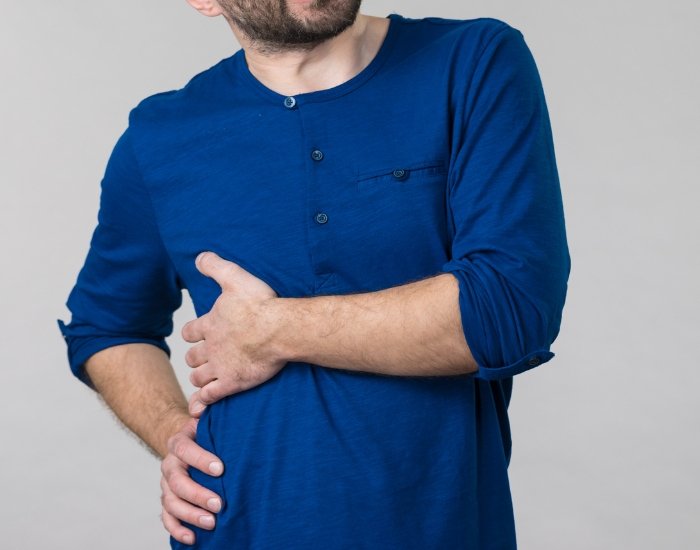
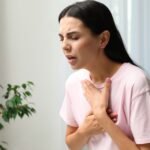
Symptoms include chest pressure or pain, discomfort spreading to the arm, jaw, neck or back, shortness of breath, cold sweat, nausea and lightheadedness. Women more often have breathlessness, nausea, back or jaw pain and fatigue. See pre-heart attack warning signs.
What Happens During Cardiac Arrest?
Most often, the heart develops ventricular fibrillation, a chaotic rhythm in which the lower chambers quiver instead of pump; blood flow to the brain stops and the person collapses within seconds.
Without CPR and defibrillation, death follows within minutes. Some people have warning signs in the preceding days, such as chest pain, palpitations, fainting or breathlessness, but many do not.
What Should You Do if Someone Is Having a Heart Attack?
Call 911, keep the person seated and calm, help them chew one regular aspirin if they are not allergic and the dispatcher advises it, and be ready to start CPR if they collapse.
- Call 911 right away; EMS can begin treatment and alert the cath lab.
- Do not let the person drive themselves.
- Loosen tight clothing; keep them resting.
- Help with prescribed nitroglycerin if they have it.
- Watch for collapse and start CPR if they become unresponsive.
What Should You Do if Someone Has Cardiac Arrest?
Call 911, start hands-only CPR with hard, fast compressions in the center of the chest, and use an AED as soon as one arrives, following its voice prompts.
Every minute without CPR and defibrillation lowers survival by roughly 7% to 10%. Bystander CPR can double or triple the chance of survival. See how defibrillation works.
When to seek care right away
Call 911 for:
- Collapse with no normal breathing: CPR and AED
- Chest pressure lasting more than a few minutes
- Chest pain with sweating or breathlessness
- Fainting during exercise
Call your doctor the same day for:
- Chest discomfort with exertion
- Palpitations with dizziness
- Family history of sudden death under 50
- Known weak heart muscle
How Can a Heart Attack Lead to Cardiac Arrest?
The lack of blood flow during a heart attack can make the heart muscle electrically unstable and trigger ventricular fibrillation; scar from a prior heart attack can also cause arrest months or years later.
This is why the early hours of a heart attack are the most dangerous and why calling 911 rather than driving is so important.
What Else Causes Cardiac Arrest?
Besides heart attack and coronary disease: cardiomyopathy, heart failure, inherited rhythm disorders such as long QT or Brugada syndrome, valve disease, severe electrolyte problems, drug overdose and major trauma.
In young athletes, hypertrophic cardiomyopathy and inherited arrhythmias are leading causes. Family members of someone who died suddenly should be evaluated.
How Can You Lower the Risk of Both?
Control blood pressure, cholesterol and diabetes, quit smoking, stay active, know your family history, take prescribed heart medicines, and ask about an ICD if you have a weak heart muscle or inherited arrhythmia.
See lifestyle changes for heart disease and ICDs and pacemakers.
What Determines Survival After Each Event?
For a heart attack, survival depends on how fast the artery is opened; for cardiac arrest, it depends on how fast CPR and defibrillation begin, with each minute of delay lowering the chance of survival.
Hospitals aim to open a blocked artery within 90 minutes of first medical contact, which is why calling 911 matters: paramedics can send an ECG ahead so the cardiac catheterization team is ready. For cardiac arrest outside the hospital, survival to discharge in the United States is roughly one in ten overall but much higher when a bystander gives CPR and an AED is used within the first few minutes.
After surviving a heart attack or cardiac arrest
Recovery includes medicines such as statins, antiplatelets and beta-blockers, cardiac rehabilitation, treatment of risk factors and, for some patients, an implantable cardioverter-defibrillator. Survivors of cardiac arrest often benefit from support for memory, mood and anxiety as well as heart care.
Are There Warning Signs Before Cardiac Arrest?
About half of people have warning symptoms in the days or weeks before, such as chest pain, breathlessness, palpitations, fainting or unusual fatigue, but these are often ignored.
- Fainting during or right after exercise.
- Fainting triggered by a loud noise or strong emotion.
- Racing heartbeat with dizziness.
- Chest pain or breathlessness that is new or worsening.
- A family history of unexplained sudden death, drowning or car accidents under age 50.
Any of these deserve prompt evaluation with an ECG, echocardiogram and heart monitor.
Why Should Everyone Learn Hands-Only CPR?
Most cardiac arrests happen at home, so the person most likely to save a life is a family member; hands-only CPR is easy to learn and does not require mouth-to-mouth.
Push hard and fast in the center of the chest, about 100 to 120 compressions per minute, to the beat of a familiar upbeat song, and keep going until help or an AED arrives. Local fire departments, hospitals and community organizations offer short courses.
Do Women Experience Heart Attacks Differently?
Women are more likely than men to have heart attack symptoms other than chest pain, including breathlessness, nausea, back, neck or jaw pain and extreme fatigue, and they tend to delay calling for help.
Any of these symptoms that are unusual, persistent or come with sweating should prompt a call to 911.
Where to See a Cardiologist in Houston
Epic Heart & Vascular Center evaluates heart and vascular symptoms at three Greater Houston offices, with many tests such as ECGs and echocardiograms available on site. Care is led by Dr. M. Usman Khan, MD, FACC.
Also serving Richmond, Spring, Kingwood, Willowbrook and Eldridge patients. Monday to Friday, 8:00 am to 5:00 pm.
Key Takeaways
- A heart attack is a blocked artery; cardiac arrest is an electrical failure.
- Heart attack patients are usually awake; cardiac arrest patients collapse and stop breathing normally.
- Call 911 for both; for cardiac arrest, start CPR and use an AED.
- A heart attack can trigger cardiac arrest.
- Controlling risk factors and ICDs lower risk.
Frequently Asked Questions
Is cardiac arrest the same as a heart attack?
No. A heart attack is a blood flow blockage; cardiac arrest is when the heart suddenly stops pumping.
Can you survive cardiac arrest?
Yes, especially with immediate CPR and early defibrillation.
Which is more deadly?
Cardiac arrest is immediately life-threatening; most heart attack patients survive with prompt treatment.
Does a heart attack always cause chest pain?
No. Some people, especially women and diabetics, have breathlessness, nausea or fatigue instead.
Should I give CPR to someone having a heart attack?
Only if they become unresponsive and stop breathing normally.
What is an AED?
An automated external defibrillator that analyzes rhythm and delivers a shock if needed.
Sources and Further Reading
- National Heart, Lung, and Blood Institute. Heart Attack.
- National Heart, Lung, and Blood Institute. Sudden Cardiac Arrest.
- Centers for Disease Control and Prevention. About Heart Attack Symptoms, Risk, and Recovery.
- MedlinePlus. Cardiac arrest.
Medical disclaimer: This article is for general education and does not replace a visit with your own doctor. Symptoms, test results and treatment choices differ from person to person.
Please note: Reading this article does not create a doctor–patient relationship. If you think you are having a medical emergency, call 911.
About our cardiology practice
Dr. M. Usman Khan, MD, FACC
Dr. Khan is an interventional and general cardiologist who leads care at Epic Heart & Vascular Center, with offices in Northwest Houston, Tomball and Sugar Land. He completed his cardiovascular fellowship at the University of Virginia and holds fellowships in the American College of Cardiology, the American College of Physicians, the Society for Cardiovascular Angiography and Interventions and the American Society of Nuclear Cardiology.
This guide was written by the Epic Heart & Vascular Center editorial team from the sources listed above. Meet Dr. Khan →
Related Articles
What Makes a Heart Attack and Cardiac Arrest Different? Causes, Risk and Prevention
A heart attack and cardiac arrest have different causes, risk profiles and prevention strategies. Learn what drives each one, who is at…
Top 10 Pre-Heart Attack Warning Signs to Look Out For
Many heart attacks are preceded by warning signs days or weeks earlier, such as chest discomfort with exertion, unusual fatigue and breathlessness.…
Cardioversion vs Defibrillation: What Is the Difference?
Cardioversion and defibrillation both use electricity to reset the heart, but they treat different rhythms, are timed differently and are used in…