The heart is a fist-sized muscle that beats about 100,000 times a day without rest. Its job sounds simple, moving blood, but doing it well requires four coordinated chambers, four one-way valves, a built-in electrical system and its own blood supply.
Understanding how the heart works makes it much easier to understand heart disease. Most cardiology conditions are problems with one part of this system: the muscle, the valves, the wiring or the arteries. This guide walks through each function in plain language and links to the conditions that affect it.
Quick answer
The heart’s main purpose is to pump blood so that every cell receives oxygen and nutrients and waste such as carbon dioxide is carried away. The right side pumps oxygen-poor blood to the lungs (pulmonary circulation); the left side pumps oxygen-rich blood to the body (systemic circulation). Four valves keep blood moving forward, an electrical system sets the rhythm, and coronary arteries feed the heart muscle itself. The heart also helps regulate blood pressure and releases hormones that control fluid balance.
Have symptoms you want checked? Dr. M. Usman Khan sees patients at our Northwest Houston, Tomball and Sugar Land offices.
What patients say about our care team
Read all reviews on Google- ★★★★★
The staff was amazing, very friendly and attentive.
— Stephanie G. Google review - ★★★★★
He explained everything to me!
— Yesenia B. Google review - ★★★★★
Everyone is incredibly supportive and the standard of care is top tier.
— Humzah A. Google review - ★★★★★
It's always good when someone cares, not just comes to work.
— Cecila A. Google review - ★★★★★
I felt like I waited less time and was seen much faster!
— Yesenia B. Google review
- ★★★★★
I am extremely grateful for the support and compassion.
— Debra L. W. Google review - ★★★★★
She always takes great care of me.
— Shemeanna B. Google review - ★★★★★
Her clinical skills were exemplary. I would definitely recommend.
— Humzah A. Google review - ★★★★★
I had a great experience with my appointment today.
— Stephanie G. Google review - ★★★★★
Mrs. Maxine literally listened to my concerns.
— Cecila A. Google review
Important
Chest pain, fainting, severe breathlessness or a very fast or slow heartbeat with symptoms need 911.
What Are the Main Functions of the Heart?
Pumping oxygen-rich blood to the body, sending oxygen-poor blood to the lungs, maintaining blood pressure, delivering nutrients and hormones, removing waste, and helping regulate fluid balance through natriuretic hormones.
- Deliver oxygen and nutrients to organs and tissues.
- Carry carbon dioxide to the lungs and waste to the kidneys and liver.
- Maintain blood pressure to perfuse the brain and kidneys.
- Distribute hormones, immune cells and heat.
- Release BNP and ANP hormones that help the kidneys remove salt and water.
How Do the Four Chambers Work?
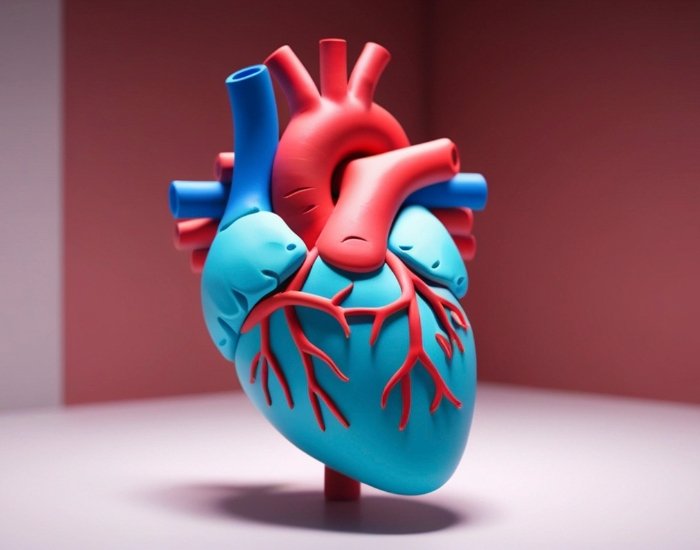
The right atrium and right ventricle receive blood from the body and pump it to the lungs; the left atrium and left ventricle receive oxygenated blood from the lungs and pump it to the body.
| Chamber | Receives from | Pumps to |
|---|---|---|
| Right atrium | Body (vena cavae) | Right ventricle |
| Right ventricle | Right atrium | Lungs (pulmonary artery) |
| Left atrium | Lungs (pulmonary veins) | Left ventricle |
| Left ventricle | Left atrium | Body (aorta) |
The left ventricle has the thickest wall because it pumps against the highest pressure. Its pumping strength is measured as the ejection fraction on an echocardiogram.
What Do the Heart Valves Do?
The tricuspid, pulmonary, mitral and aortic valves open to let blood move forward and close to prevent backward flow; their closing makes the “lub-dub” heart sounds.
Valves can become narrowed (stenosis) or leaky (regurgitation), forcing the heart to work harder. See heart valve disease.
What Are Pulmonary and Systemic Circulation?
Pulmonary circulation carries blood from the right heart through the lungs to pick up oxygen; systemic circulation carries oxygenated blood from the left heart to the whole body and back.
An adult heart pumps about 5 liters per minute at rest, roughly 2,000 gallons a day, and several times more during exercise.
How Does the Heart’s Electrical System Work?
The sinoatrial (SA) node fires each beat, the signal spreads through the atria to the atrioventricular (AV) node, then through the bundle branches to make the ventricles contract.
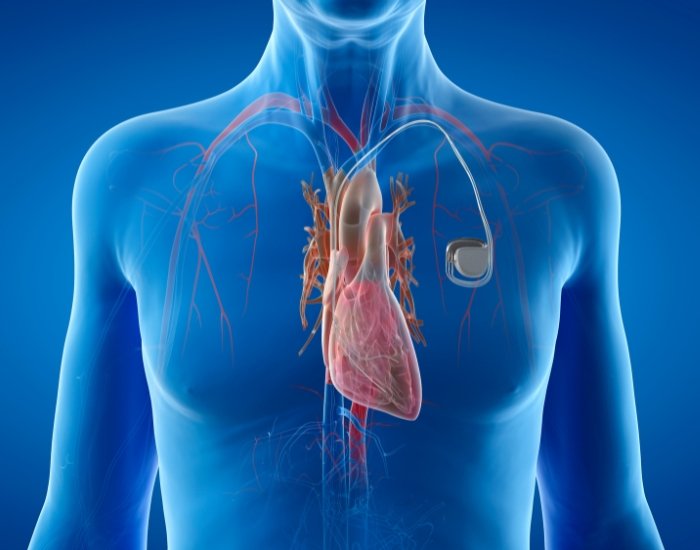
Problems in this wiring cause arrhythmias such as atrial fibrillation, SVT, heart block and ventricular tachycardia. An ECG records this electrical activity. See pacemakers and defibrillators.
How Is the Heart Itself Supplied With Blood?
The coronary arteries, branching from the aorta, supply the heart muscle; blockages in them cause angina and heart attacks.
The three main coronary arteries are the left anterior descending, the circumflex and the right coronary artery. See coronary artery disease.
What Happens When Each Part Fails?
Muscle problems cause heart failure, valve problems cause murmurs and breathlessness, electrical problems cause palpitations or fainting, and artery problems cause angina or heart attack.
| Part | Condition | Common symptoms |
|---|---|---|
| Muscle | Heart failure, cardiomyopathy | Breathlessness, swelling, fatigue |
| Valves | Stenosis, regurgitation | Murmur, breathlessness, fainting |
| Electrical system | Arrhythmias, heart block | Palpitations, dizziness, fainting |
| Coronary arteries | Coronary artery disease | Chest pressure, heart attack |
| Pericardium | Pericarditis, effusion | Sharp chest pain, breathlessness |
When to seek care right away
Call 911 for:
- Chest pain or pressure
- Fainting
- Severe shortness of breath
- Very fast or very slow heartbeat with symptoms
Call your doctor the same day for:
- Breathlessness with mild activity
- Swelling of ankles or legs
- Palpitations
- New heart murmur
How Can You Keep Your Heart Working Well?
Control blood pressure, cholesterol and blood sugar, stay active, eat a heart-healthy diet, avoid tobacco, limit alcohol, sleep well and get symptoms checked early.
See how to lower heart disease risk naturally.
What Is a Normal Heart Rate and Blood Pressure?
A normal resting heart rate for adults is generally 60 to 100 beats per minute, lower in fit people, and normal blood pressure is below 120/80; the heart adjusts both continuously in response to activity, stress and posture.
The autonomic nervous system speeds the heart during exercise or stress (sympathetic) and slows it during rest (parasympathetic, through the vagus nerve). Hormones such as adrenaline and thyroid hormone also affect rate and strength. A heart rate persistently above 100 at rest, below 50 with symptoms, or an irregular pulse deserves evaluation.
How the heart responds to exercise
During exercise, heart rate and the volume pumped with each beat both rise, increasing output four- to sevenfold in fit individuals. Regular exercise strengthens the heart, lowers resting heart rate and blood pressure, and improves how efficiently muscles use oxygen. See best exercises for heart health.
How Does the Heart Change With Age?
With age, the heart muscle and arteries stiffen, valves may thicken or calcify, the electrical system can slow, and maximum heart rate falls; these changes raise the risk of high blood pressure, atrial fibrillation, heart failure and valve disease.
Healthy habits slow many of these changes. Regular aerobic exercise keeps arteries more flexible, and control of blood pressure and cholesterol protects the muscle and coronary arteries. Older adults with breathlessness, fatigue, dizziness or fainting should have their heart checked rather than attributing symptoms to age. See heart conditions in older adults.
Tests that show how your heart is working
- ECG: electrical rhythm and signs of prior damage.
- Echocardiogram: chamber size, pumping strength and valves.
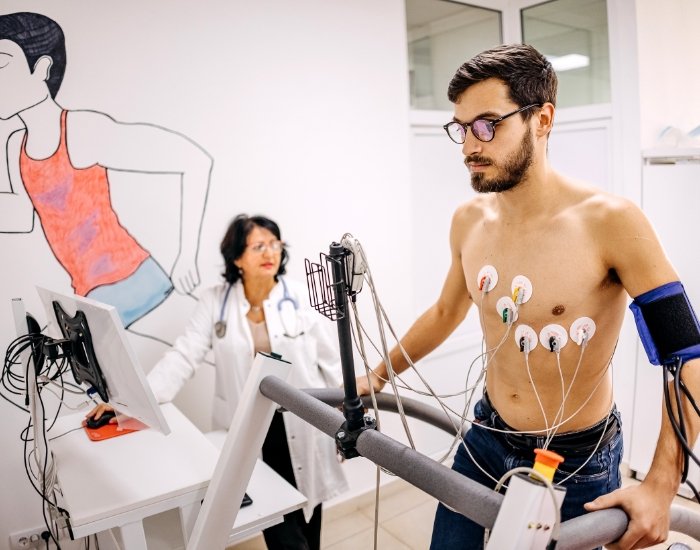
- Stress testing: how the heart responds to exertion.
- Holter monitor: rhythm over 24 hours or longer.
- Calcium score: plaque in the coronary arteries.
What Are Some Remarkable Facts About the Heart?
The heart beats more than two and a half billion times in an average lifetime, starts beating about six weeks into pregnancy, and can keep beating briefly outside the body because it generates its own electrical impulses.
Its own electrical system is why heart transplants work without reconnecting nerves.
What Is the Pericardium and What Does It Do?
The pericardium is a thin two-layered sac around the heart that holds it in place, reduces friction with a small amount of fluid, and helps protect it from infection and overstretching.
Inflammation of this sac (pericarditis) causes sharp chest pain that often improves when sitting forward, and fluid build-up (pericardial effusion) can compress the heart. See causes of fluid around the heart and pericardial window.
How the heart and lungs work together
The heart and lungs function as a single unit. Lung disease can strain the right side of the heart, and heart failure can flood the lungs with fluid. That is why breathlessness is one of the most common symptoms of heart problems.
When Should You See a Cardiologist?
See a cardiologist for chest discomfort, breathlessness, palpitations, fainting, a new murmur, or major risk factors such as diabetes, high blood pressure or a family history of early heart disease.
Where to See a Cardiologist in Houston
Epic Heart & Vascular Center evaluates heart and vascular symptoms at three Greater Houston offices, with many tests such as ECGs and echocardiograms available on site. Care is led by Dr. M. Usman Khan, MD, FACC.
Also serving Richmond, Spring, Kingwood, Willowbrook and Eldridge patients. Monday to Friday, 8:00 am to 5:00 pm.
Key Takeaways
- The heart pumps blood to deliver oxygen and remove waste.
- The right side pumps to the lungs; the left side pumps to the body.
- Four valves keep blood moving forward.
- An electrical system sets each heartbeat.
- Coronary arteries supply the heart muscle itself.
Frequently Asked Questions
What is the main function of the heart?
To pump blood that carries oxygen and nutrients to the body and removes waste.
How many chambers does the heart have?
Four: two atria and two ventricles.
How much blood does the heart pump?
About 5 liters per minute at rest, roughly 2,000 gallons a day.
What controls the heartbeat?
The sinoatrial node, the heart’s natural pacemaker.
What do heart valves do?
They keep blood flowing in one direction through the heart.
Which side of the heart is stronger?
The left ventricle, because it pumps blood to the entire body.
Sources and Further Reading
- National Heart, Lung, and Blood Institute. How the Heart Works.
- MedlinePlus. Heart diseases.
- National Heart, Lung, and Blood Institute. How the Heart Beats.
Medical disclaimer: This article is for general education and does not replace a visit with your own doctor. Symptoms, test results and treatment choices differ from person to person.
Please note: Reading this article does not create a doctor–patient relationship. If you think you are having a medical emergency, call 911.

About our cardiology practice
Dr. M. Usman Khan, MD, FACC
Dr. Khan is an interventional and general cardiologist who leads care at Epic Heart & Vascular Center, with offices in Northwest Houston, Tomball and Sugar Land. He completed his cardiovascular fellowship at the University of Virginia and holds fellowships in the American College of Cardiology, the American College of Physicians, the Society for Cardiovascular Angiography and Interventions and the American Society of Nuclear Cardiology.
This guide was written by the Epic Heart & Vascular Center editorial team from the sources listed above. Meet Dr. Khan →
Related Articles
How to Lower the Risk of Heart Disease Naturally: An Evidence-Based Guide
Most heart disease is preventable. Learn the natural, evidence-based steps that lower risk most: knowing your numbers, eating patterns, movement, sleep, stress,…
Everything You Need to Know About Cardiac Stress Tests
Cardiac stress tests show how the heart performs under exertion. Compare exercise ECG, stress echo, nuclear and pharmacologic tests, learn how to…
When Should You Be Worried About an Irregular Heartbeat?
Most skipped or extra beats are harmless, but some irregular heartbeats signal atrial fibrillation or dangerous rhythms. Learn the warning signs, who…