
Heart rhythm care
An arrhythmia is a heartbeat that is too fast, too slow or irregular. Atrial fibrillation (AFib) is the most common sustained type. We evaluate rhythm symptoms, arrange monitoring, and build a plan that addresses symptoms and stroke risk.
Overview
In AFib, the heart’s upper chambers beat in a fast, disorganized way. Some people feel fluttering, pounding, tiredness, dizziness or shortness of breath; others feel nothing and learn about it from a routine ECG or a smartwatch alert. AFib can come and go or become persistent.
The biggest concern with AFib is stroke: blood can pool in the upper chambers and form clots. Other arrhythmias include other fast rhythms that start above the ventricles, extra beats, and rhythms that are too slow. Some are harmless; others need treatment.
Who may benefit
A smartwatch alert is not a diagnosis, and the absence of an alert does not rule out a rhythm problem. Both are worth discussing with a clinician.
Your visit
Testing
A rhythm problem is diagnosed when it is recorded. Because symptoms often come and go, your clinician may suggest wearing a monitor at home.
| Test | What it is for |
|---|---|
| ECG (EKG) | A short recording of the heart’s rhythm at the visit. It may be normal if the arrhythmia is not happening at that moment. |
| Holter monitor | Records every heartbeat continuously for a set period while you go about your day. |
| Event monitor or mobile cardiac telemetry | Worn for longer periods to catch less frequent episodes; some devices record automatically, others when you press a button. |
| Implantable loop recorder | A small device placed under the skin for long-term monitoring when episodes are rare. |
| Echocardiogram | Checks heart structure, valves and pumping function, which can affect treatment choices. |
| Stress test | Sometimes used when symptoms happen with exertion. |
Your device instructions, including how long to wear it and how to record symptoms, come from your care team and the device maker. Follow those instructions rather than general advice online.
Treatment
AFib care usually has three parts: lowering stroke risk, controlling symptoms, and treating conditions that make AFib more likely.
Many people with AFib are offered a blood thinner (anticoagulant) to lower stroke risk. These medicines also raise the risk of bleeding, so the decision is individual and is revisited over time. Do not start, stop or change a blood thinner on your own.
Some medicines slow the heart rate so the heart pumps more effectively. Others aim to restore and keep a normal rhythm. Cardioversion uses a controlled electrical shock to reset the rhythm. Catheter ablation targets the heart tissue that triggers AFib. It is performed by heart-rhythm specialists called electrophysiologists, and your cardiologist can talk with you about whether it is worth considering. Each approach has benefits, limitations and risks.
Reaching a healthier weight, limiting alcohol, staying active and treating high blood pressure, diabetes and sleep apnea can reduce AFib episodes for many people.
When the heart beats too slowly and causes symptoms, a pacemaker may be discussed. People with devices also need regular device checks.
Your cardiologist
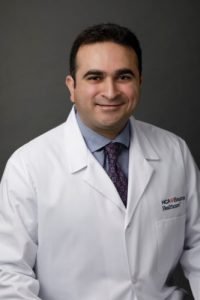
Dr. Khan evaluates heart rhythm symptoms, reviews ECG and monitor results, and manages ongoing AFib care, including blood-thinner decisions, together with you and your other doctors.
Where care happens
Office visits and ECGs take place at our offices. Heart monitors are worn at home. Procedures such as cardioversion or device implants take place in a hospital or procedure setting. Our team will confirm the location for anything you need.
17070 Red Oak Dr #405
Houston, TX 77090
155 School St Suite 220
Tomball, TX 77375
6534 Greatwood Parkway Unit A
Sugar Land, TX 77479
Also serves Richmond-area patients
Before you come
See new patient information and the insurance plans we work with. Coverage depends on your specific plan.
Questions
AFib itself is often not immediately life-threatening, but it raises the risk of stroke and can weaken the heart over time if the rate stays fast. That is why ongoing care matters, even when symptoms are mild.
Save the recording and share it with a clinician. A watch can suggest an irregular rhythm, but a medical-grade ECG or monitor is needed to confirm it. If you also have chest pain, fainting or stroke symptoms, call 911.
Not necessarily. The decision depends on your stroke and bleeding risk, which can change over time. Your clinician reviews it at follow-up visits.
Some episodes stop on their own. For many people, AFib returns over time, which is why treatment plans focus on long-term risk as well as current symptoms.
Sources
Prepared by the Epic Heart & Vascular Center editorial team. Clinical review by a practice physician is pending for this version. Last updated November 2026.
Next step
Submitting the form sends a request. Our team will call you to confirm a time, the office and your insurance. If you have fainting, chest pain or stroke symptoms, call 911.
Care is led by Dr. M. Usman Khan, MD, FACC, an interventional and general cardiologist. New patients can review patient information and the insurance plans we accept.
Heart & Vascular Care Close to Home
Book a visit with our board-certified cardiologist at any of our three offices. Our team will call you to confirm your time and insurance.
Houston (NW / Red Oak)
17070 Red Oak Dr #405, Houston, TX 77090
832-432-1951
Tomball
155 School St Ste 220, Tomball, TX 77375
832-304-2070
Sugar Land (Greatwood)
6534 Greatwood Pkwy Unit A, Sugar Land, TX 77479
832-645-8992
For a medical emergency, call 911.
Schedule an Appointment
Fill out the form and our team will contact you to confirm your visit.
Call the office nearest you
Houston NW / Red Oak · 832-432-195117070 Red Oak Dr #405, Houston, TX 77090 Tomball · 832-304-2070155 School St Ste 220, Tomball, TX 77375 Sugar Land / Greatwood · 832-645-89926534 Greatwood Pkwy Unit A, Sugar Land, TX 77479For a medical emergency, call 911.