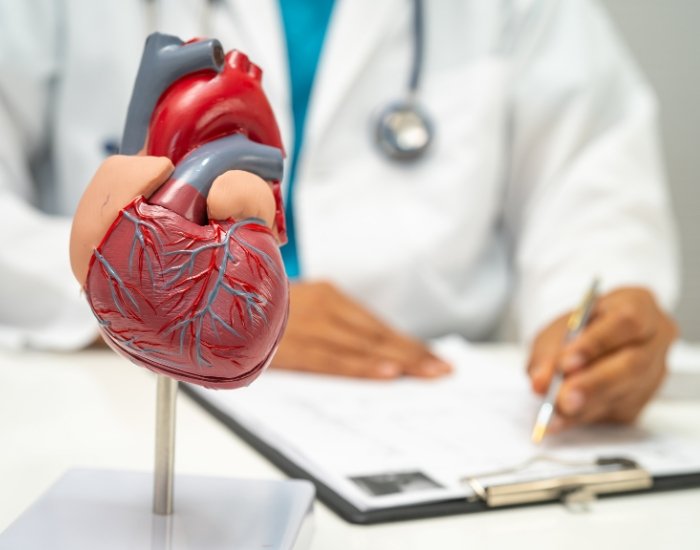
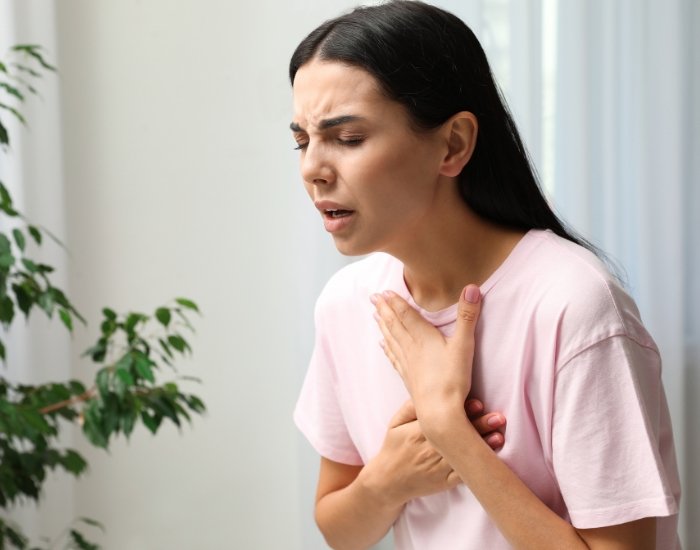
Being jolted awake by a pounding, racing heart is frightening. Your heart rate normally slows during sleep, so a fast rate at night stands out. Sometimes the cause is simple, such as a vivid dream, a late drink or stress. Other times a racing heart at night reflects an arrhythmia, sleep apnea or a metabolic problem that deserves attention.
This guide focuses specifically on a fast heart rate at night: the common causes, the clues that point to each, red flags that need urgent care and the tests that find the answer.
Quick answer
A racing heart at night is commonly caused by nightmares or nocturnal panic attacks, anxiety, alcohol or caffeine, sleep apnea, low blood sugar (especially in people with diabetes), fever, dehydration, overactive thyroid, certain medicines, and arrhythmias such as supraventricular tachycardia (SVT) or atrial fibrillation. See a doctor if episodes recur, start and stop suddenly, are irregular, or come with breathlessness, chest discomfort or dizziness. Call 911 for chest pain, fainting, severe breathlessness or a racing heart that will not slow down.
Have symptoms you want checked? Dr. M. Usman Khan sees patients at our Northwest Houston, Tomball and Sugar Land offices.
What patients say about our care team
Read all reviews on Google- ★★★★★
The staff was amazing, very friendly and attentive.
— Stephanie G. Google review - ★★★★★
He explained everything to me!
— Yesenia B. Google review - ★★★★★
Everyone is incredibly supportive and the standard of care is top tier.
— Humzah A. Google review - ★★★★★
It's always good when someone cares, not just comes to work.
— Cecila A. Google review - ★★★★★
I felt like I waited less time and was seen much faster!
— Yesenia B. Google review
- ★★★★★
I am extremely grateful for the support and compassion.
— Debra L. W. Google review - ★★★★★
She always takes great care of me.
— Shemeanna B. Google review - ★★★★★
Her clinical skills were exemplary. I would definitely recommend.
— Humzah A. Google review - ★★★★★
I had a great experience with my appointment today.
— Stephanie G. Google review - ★★★★★
Mrs. Maxine literally listened to my concerns.
— Cecila A. Google review
Important
A racing heart with chest pain, fainting, severe breathlessness or confusion needs 911.
What Is a Normal Heart Rate During Sleep?
Heart rate usually falls to roughly 40 to 60 beats per minute during deep sleep in healthy adults and rises briefly during dreaming (REM) sleep.
A sustained rate above 100 while at rest in bed is a tachycardia and deserves attention if it recurs.
What Causes the Heart to Race at Night?
Dreams and nocturnal panic, anxiety, alcohol, caffeine, nicotine, sleep apnea, low blood sugar, fever, dehydration, overactive thyroid, anemia, medicines and arrhythmias.
| Cause | Clues |
|---|---|
| Nightmare or nocturnal panic | Sudden waking with fear, sweating; settles in minutes |
| Alcohol | Racing heart a few hours after drinking |
| Sleep apnea | Snoring, gasping, morning headache, daytime sleepiness |
| Low blood sugar | Diabetes medicines, sweating, shakiness, vivid dreams |
| Overactive thyroid | Weight loss, heat intolerance, tremor |
| SVT | Sudden start and stop, very fast regular rate |
| Atrial fibrillation | Irregular, fast fluttering |
How Do SVT and AFib Feel at Night?
SVT causes a sudden, very fast and regular racing that may stop abruptly; AFib causes an irregular, often fast heartbeat that may last minutes to hours.
Lying down and vagal tone changes at night can trigger both. See why your heart beats fast suddenly and AFib diagnosis and treatment.
How Does Sleep Apnea Make the Heart Race?
Repeated breathing pauses drop oxygen levels and trigger surges of adrenaline that raise heart rate and blood pressure and can provoke arrhythmias.
Treating apnea with CPAP or other therapies often reduces nighttime palpitations and AFib.
Can Low Blood Sugar Cause a Racing Heart at Night?
Yes. In people taking insulin or certain diabetes pills, nighttime low blood sugar triggers adrenaline release, causing a racing heart, sweating, nightmares and morning headaches.
Check blood sugar during an episode if you have diabetes and discuss medicine adjustments with your doctor.
When Should You Worry?
When episodes recur, start and stop suddenly, are irregular, last more than a few minutes, or come with chest discomfort, breathlessness, dizziness or fainting, or if you have known heart disease.
See heart palpitations at night.
When to seek care right away
Call 911 for:
- Chest pain with a racing heart
- Fainting
- Severe breathlessness
- A racing heart that will not slow down
Call your doctor the same day for:
- Recurring night episodes
- Sudden start and stop racing
- Irregular rhythm
- Snoring or gasping during sleep
How Is a Nighttime Racing Heart Diagnosed?
An ECG, a Holter or patch monitor worn overnight, an event monitor for less frequent episodes, blood tests for thyroid, blood count and glucose, and a sleep study when apnea is suspected.
See Holter monitor and event monitor.
What Can You Do When Your Heart Races in Bed?
Sit up, take slow breaths with a longer exhale, check your pulse rate and rhythm, record a smartwatch ECG if possible, sip water, and note the time and duration.
- Turn on a light and orient yourself if you woke from a dream.
- Breathe in for 4 seconds and out for 6 to 8 seconds.
- If diabetic, check blood sugar.
- Try vagal maneuvers only if your doctor has diagnosed SVT and shown you how.
- Call 911 if symptoms are severe or do not settle.
Medicines that can speed the heart at night
Decongestants, asthma inhalers, thyroid medicine taken in excess, some antidepressants, stimulants for ADHD, and withdrawal from beta-blockers or alcohol can cause a fast heart rate at night. Review your medicine list, including over-the-counter cold remedies and supplements, with your doctor.
How Can You Prevent Nighttime Racing Heart Episodes?
Limit alcohol and caffeine, avoid heavy late meals, keep a regular sleep schedule, manage stress before bed, treat sleep apnea, stay hydrated and review medicines.
- No caffeine after early afternoon.
- Avoid alcohol within several hours of bedtime.
- Finish dinner at least three hours before bed.
- Keep the bedroom cool and dark.
- Practice relaxation or breathing exercises before sleep.
- Treat reflux, which can trigger palpitations when lying down.
Nocturnal panic attacks
Some people wake from sleep in a sudden surge of fear with a racing heart, sweating, trembling and breathlessness, without a nightmare. These nocturnal panic attacks peak within minutes. Once heart rhythm problems are ruled out, therapy such as cognitive behavioral therapy and sometimes medicine are very effective.
Can Menopause Cause a Racing Heart at Night?
Yes. Hot flashes and night sweats often come with a fast heartbeat; these are usually benign, but persistent or irregular episodes should be checked.
How Is a Racing Heart at Night Treated?
Treatment targets the cause: CPAP for sleep apnea, adjusting diabetes medicines for low blood sugar, thyroid treatment, cutting alcohol, therapy for panic, and medicines or catheter ablation for SVT and AFib.
Catheter ablation cures most SVT, often ending nighttime episodes for good. For AFib, treatment combines stroke prevention, rate or rhythm control and risk-factor management. Your cardiologist will match treatment to the rhythm found on monitoring.
Can Fever or Infection Make Your Heart Race at Night?
Yes. Each degree of fever raises heart rate, and infections, dehydration and anemia all increase it; the rate should settle as the illness resolves.
Can a Smartwatch Help Diagnose Nighttime Episodes?
Many smartwatches record heart rate trends during sleep and can take an ECG, which helps your doctor spot patterns; confirm findings with a medical monitor.
Can Heart Failure Cause a Racing Heart at Night?
Yes. Waking up breathless with a fast heartbeat, needing to sit up to breathe, or needing more pillows can be signs of heart failure and need prompt evaluation.
See early signs of heart failure.
What Should You Record for Your Doctor?
The time, duration, heart rate, regular or irregular rhythm, what you ate or drank in the evening, and any other symptoms.
Why Does Dehydration Raise Your Heart Rate at Night?
Less fluid in the blood makes the heart beat faster to maintain blood pressure, especially after alcohol, heat or exercise.
Who Should Be Seen Sooner?
People with known heart disease, prior heart attack, heart failure, or a family history of sudden death should be evaluated promptly for any new nighttime racing heart.
Where to See a Cardiologist in Houston
Epic Heart & Vascular Center evaluates heart and vascular symptoms at three Greater Houston offices, with many tests such as ECGs and echocardiograms available on site. Care is led by Dr. M. Usman Khan, MD, FACC.
Also serving Richmond, Spring, Kingwood, Willowbrook and Eldridge patients. Monday to Friday, 8:00 am to 5:00 pm.
Key Takeaways
- Heart rate normally slows during sleep; a racing heart at night stands out.
- Nightmares, alcohol, sleep apnea and low blood sugar are common causes.
- SVT and AFib can start at night.
- Recurring or irregular episodes need evaluation.
- Overnight heart monitoring and sleep studies find the cause.
Frequently Asked Questions
Why does my heart race when I wake up at night?
Common causes include dreams, anxiety, alcohol, sleep apnea, low blood sugar and arrhythmias.
Is a racing heart at night dangerous?
Often not, but recurring, irregular or symptomatic episodes need evaluation.
Can anxiety cause a racing heart at night?
Yes, including nocturnal panic attacks.
Can alcohol make my heart race at night?
Yes, alcohol commonly causes a fast heart rate and can trigger AFib.
Can sleep apnea cause a fast heartbeat?
Yes, oxygen drops trigger adrenaline surges.
What should I do during an episode?
Sit up, breathe slowly, check your pulse and record an ECG if possible; call 911 for red flags.
Sources and Further Reading
- MedlinePlus. Heart palpitations.
- National Heart, Lung, and Blood Institute. Sleep Apnea.
- MedlinePlus. Low blood sugar.
- National Heart, Lung, and Blood Institute. Arrhythmias.
Medical disclaimer: This article is for general education and does not replace a visit with your own doctor. Symptoms, test results and treatment choices differ from person to person.
Please note: Reading this article does not create a doctor–patient relationship. If you think you are having a medical emergency, call 911.

About our cardiology practice
Dr. M. Usman Khan, MD, FACC
Dr. Khan is an interventional and general cardiologist who leads care at Epic Heart & Vascular Center, with offices in Northwest Houston, Tomball and Sugar Land. He completed his cardiovascular fellowship at the University of Virginia and holds fellowships in the American College of Cardiology, the American College of Physicians, the Society for Cardiovascular Angiography and Interventions and the American Society of Nuclear Cardiology.
This guide was written by the Epic Heart & Vascular Center editorial team from the sources listed above. Meet Dr. Khan →
Related Articles

Heart Palpitations at Night: When to Worry and What You Should Know
Palpitations at night are common and often harmless, but some patterns point to atrial fibrillation, sleep apnea or other conditions. Learn the…
Why Does My Heart Beat Fast Suddenly? Causes of Sudden Rapid Heartbeat
A sudden fast heartbeat can come from adrenaline, caffeine, dehydration or anxiety, or from arrhythmias such as SVT, atrial fibrillation and ventricular…
I Can Feel My Heart Beating in My Chest When Lying Down: Is It Normal?
Feeling or hearing your heartbeat when you lie down is common and usually harmless, but sometimes it signals a rhythm problem, heart…