
Vein care
Varicose veins are enlarged, twisted veins, usually in the legs. They often come from venous insufficiency, when valves inside the veins stop closing properly and blood pools. We find the source with ultrasound, explain the options, and help you weigh treatment against conservative care.
Overview
Leg veins carry blood back to the heart against gravity, helped by one-way valves. When those valves weaken, blood flows backward and collects, stretching the vein. This is called venous reflux or chronic venous insufficiency.
For some people, varicose veins are mainly a cosmetic concern. For others they cause aching, heaviness, swelling, itching, night cramps, skin changes around the ankle or, in advanced cases, open sores called venous ulcers.
Who may benefit
Leg swelling and heaviness can also come from heart, kidney, lymphatic or medicine-related causes. Part of the visit is making sure the veins are the main issue. See our peripheral artery disease page if your main symptom is pain when walking.
Your visit
Options
The goals are to relieve symptoms, keep veins from getting worse, improve appearance when that matters to you, and prevent complications such as ulcers and bleeding. Not every option suits every vein.
| Option | How it works | Things to know |
|---|---|---|
| Compression and self-care | Graduated compression stockings, leg elevation, walking and weight management. | Can ease symptoms. Often used alone at first, and after procedures. |
| Endovenous ablation or closure | A thin catheter closes the faulty vein from inside using heat (laser or radiofrequency) or, with some methods, a medical adhesive. Ultrasound guides the procedure. | Usually done with local numbing. Bruising and soreness are common; nerve irritation, skin burns and blood clots are uncommon. |
| Sclerotherapy | A liquid or foam solution is injected to seal the vein. Liquid is most often used for small and spider veins. | Skin discoloration can occur. Rare risks include clots, allergic reaction and temporary vision changes or headache with foam. |
| Phlebectomy | Small bulging veins near the skin are removed through tiny incisions. | Often combined with ablation. |
| Surgery | Tying off and removing larger veins. | Now used less often, mainly when less invasive options are not suitable. |
Recovery varies. Many people return to light daily activity soon after an office-based procedure, but your clinician will give instructions for your specific treatment.
Coverage
Insurance plans differ. Many plans cover treatment of symptomatic venous insufficiency when certain criteria are met, which may include documented symptoms, ultrasound findings and, for some plans, a period of compression therapy first. Treatment done only for appearance, such as many spider vein treatments, is often not covered.
Our staff can explain what your plan typically asks for, but the final coverage decision belongs to your insurer. Ask about prior authorization before a procedure is scheduled. See the insurance plans we work with.
Your physician
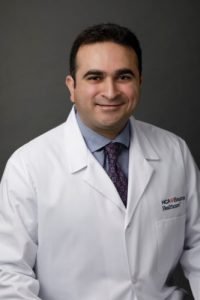
Dr. Khan evaluates venous disease, reviews venous ultrasound findings, and performs vein procedures, including venous ablation and VenaSeal closure, when they are appropriate.
Where care happens
Consultations take place at our three offices. Our team will tell you where your ultrasound and any procedure will be performed.
17070 Red Oak Dr #405
Houston, TX 77090
155 School St Suite 220
Tomball, TX 77375
6534 Greatwood Parkway Unit A
Sugar Land, TX 77479
Also serves Richmond-area patients
Before you come
Questions
Usually not, but they can cause discomfort, skin changes and ulcers over time. Sudden swelling and pain in one leg is different and needs same-day care because it can be a clot.
Treated veins usually stay closed, but new varicose veins can develop over the years because the underlying tendency remains. Follow-up and compression can help.
Some insurance plans require a trial before covering a procedure, and stockings can help symptoms on their own. Your clinician will discuss whether they make sense for you.
Sources
Prepared by the Epic Heart & Vascular Center editorial team. Clinical review by a practice physician is pending for this version. Last updated November 2026.
Next step
Submitting the form sends a request. Our team will call you to confirm a time, the office and your insurance.
Care is led by Dr. M. Usman Khan, MD, FACC, an interventional and general cardiologist. New patients can review patient information and the insurance plans we accept.
Heart & Vascular Care Close to Home
Book a visit with our board-certified cardiologist at any of our three offices. Our team will call you to confirm your time and insurance.
Houston (NW / Red Oak)
17070 Red Oak Dr #405, Houston, TX 77090
832-432-1951
Tomball
155 School St Ste 220, Tomball, TX 77375
832-304-2070
Sugar Land (Greatwood)
6534 Greatwood Pkwy Unit A, Sugar Land, TX 77479
832-645-8992
For a medical emergency, call 911.
Schedule an Appointment
Fill out the form and our team will contact you to confirm your visit.
Call the office nearest you
Houston NW / Red Oak · 832-432-195117070 Red Oak Dr #405, Houston, TX 77090 Tomball · 832-304-2070155 School St Ste 220, Tomball, TX 77375 Sugar Land / Greatwood · 832-645-89926534 Greatwood Pkwy Unit A, Sugar Land, TX 77479For a medical emergency, call 911.