
Heart care
Coronary artery disease happens when plaque narrows the arteries that supply the heart muscle. Our cardiology team evaluates symptoms and risk, explains which tests may help, and works with you on a treatment and follow-up plan.
Overview
The coronary arteries carry oxygen-rich blood to the heart muscle. Over time, plaque made of cholesterol, calcium and other material can build up inside them. This is called atherosclerosis. When the arteries narrow, the heart may not get enough blood during exertion, which can cause chest discomfort called angina. A piece of plaque can also break open and trigger a clot that causes a heart attack.
Many people have no symptoms until the disease is advanced. That is why risk factors such as high blood pressure, high cholesterol, diabetes, smoking and family history matter, even when you feel well.
Who may benefit
A cardiology visit may be useful if you have:
None of these means you have coronary artery disease. They are reasons to have the question looked at properly.
Your visit
Testing
Not everyone needs every test. The choice depends on your symptoms, your risk and what earlier tests have shown.
| Test | Why it may be used |
|---|---|
| Electrocardiogram (ECG/EKG) | Records the heart’s electrical activity and rhythm. A normal ECG does not rule out coronary disease. |
| Echocardiogram | Ultrasound that shows how well the heart pumps and how the valves work. |
| Exercise stress test, stress echo or nuclear stress test | Checks the heart while it works harder, to look for reduced blood flow. Medicine can be used if you cannot exercise. |
| Coronary calcium scan | A CT scan that measures calcium in the artery walls, mainly to refine risk in people without symptoms. |
| Cardiac catheterization and angiography | An invasive test that uses contrast dye to show blockages directly. It is usually considered when other tests suggest significant disease, and it is done in a hospital or procedure setting. |
| Blood tests | Cholesterol, triglycerides, blood sugar and other markers that affect risk. |
Treatment
Treatment depends on how serious your symptoms are, your test results and your other health conditions. The goals are to relieve symptoms, slow plaque buildup and lower the risk of a heart attack.
Heart-healthy eating, regular physical activity at a level your clinician approves, not smoking, enough sleep and control of blood pressure, cholesterol and blood sugar are the foundation of care for most people.
Depending on your situation, your cardiologist may discuss medicines that lower cholesterol, control blood pressure, relieve angina or reduce the risk of clots. Each has benefits and possible side effects, and not every medicine is right for every patient. Do not start or stop aspirin or any heart medicine without talking with your clinician.
When an artery is severely narrowed, a coronary angioplasty with a stent may be discussed. For some people with disease in several arteries, bypass surgery by a heart surgeon is an option. Procedures are not right for everyone; many people with stable coronary disease do well with medicines and lifestyle changes. Your cardiologist will explain the benefits, risks and alternatives.
Coronary disease is a long-term condition. Regular follow-up lets your clinician check symptoms, adjust medicines and repeat tests when needed. After a heart attack or procedure, cardiac rehabilitation may be recommended.
Your cardiologist
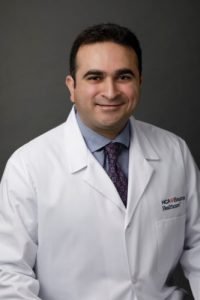
Dr. Khan is an interventional and general cardiologist. He evaluates chest symptoms and coronary risk, interprets heart testing, and performs diagnostic and interventional coronary procedures when they are needed.
Where care happens
Office visits take place at our three offices. Some tests may be done in the office; others, such as cardiac catheterization, take place in a hospital or procedure setting. When you schedule, our team will tell you exactly where your visit or test will be.
17070 Red Oak Dr #405
Houston, TX 77090
155 School St Suite 220
Tomball, TX 77375
6534 Greatwood Parkway Unit A
Sugar Land, TX 77479
Also serves Richmond-area patients
Before you come
Read more about new patient information and the insurance plans we work with. Coverage depends on your specific plan, so please confirm with your insurer.
Questions
Plaque buildup can sometimes be slowed, stopped or partly reversed with lifestyle changes and medicines that lower LDL cholesterol, especially when started early. Results vary from person to person, and no single diet or supplement unclogs arteries.
Yes. A resting ECG can be normal even when the coronary arteries are narrowed. If you have symptoms or high risk, your clinician may recommend other tests.
Not necessarily. Many people with stable coronary disease are treated with medicines and lifestyle changes. Stents are considered when blockages are significant and symptoms or test results support it. Your cardiologist will talk through the options with you.
It depends on your insurance plan. Some plans require a referral or prior authorization for specialist visits or tests. Check with your plan, and our staff can help you understand what is needed.
Sources
Prepared by the Epic Heart & Vascular Center editorial team. Clinical review by a practice physician is pending for this version. Last updated November 2026.
Next step
Submitting the form sends a request. Our team will call you to confirm a time, the office and your insurance. If you prefer, call the office closest to you. For chest pain that could be a heart attack, call 911.
Care is led by Dr. M. Usman Khan, MD, FACC, an interventional and general cardiologist. New patients can review patient information and the insurance plans we accept.
Heart & Vascular Care Close to Home
Book a visit with our board-certified cardiologist at any of our three offices. Our team will call you to confirm your time and insurance.
Houston (NW / Red Oak)
17070 Red Oak Dr #405, Houston, TX 77090
832-432-1951
Tomball
155 School St Ste 220, Tomball, TX 77375
832-304-2070
Sugar Land (Greatwood)
6534 Greatwood Pkwy Unit A, Sugar Land, TX 77479
832-645-8992
For a medical emergency, call 911.
Schedule an Appointment
Fill out the form and our team will contact you to confirm your visit.
Call the office nearest you
Houston NW / Red Oak · 832-432-195117070 Red Oak Dr #405, Houston, TX 77090 Tomball · 832-304-2070155 School St Ste 220, Tomball, TX 77375 Sugar Land / Greatwood · 832-645-89926534 Greatwood Pkwy Unit A, Sugar Land, TX 77479For a medical emergency, call 911.